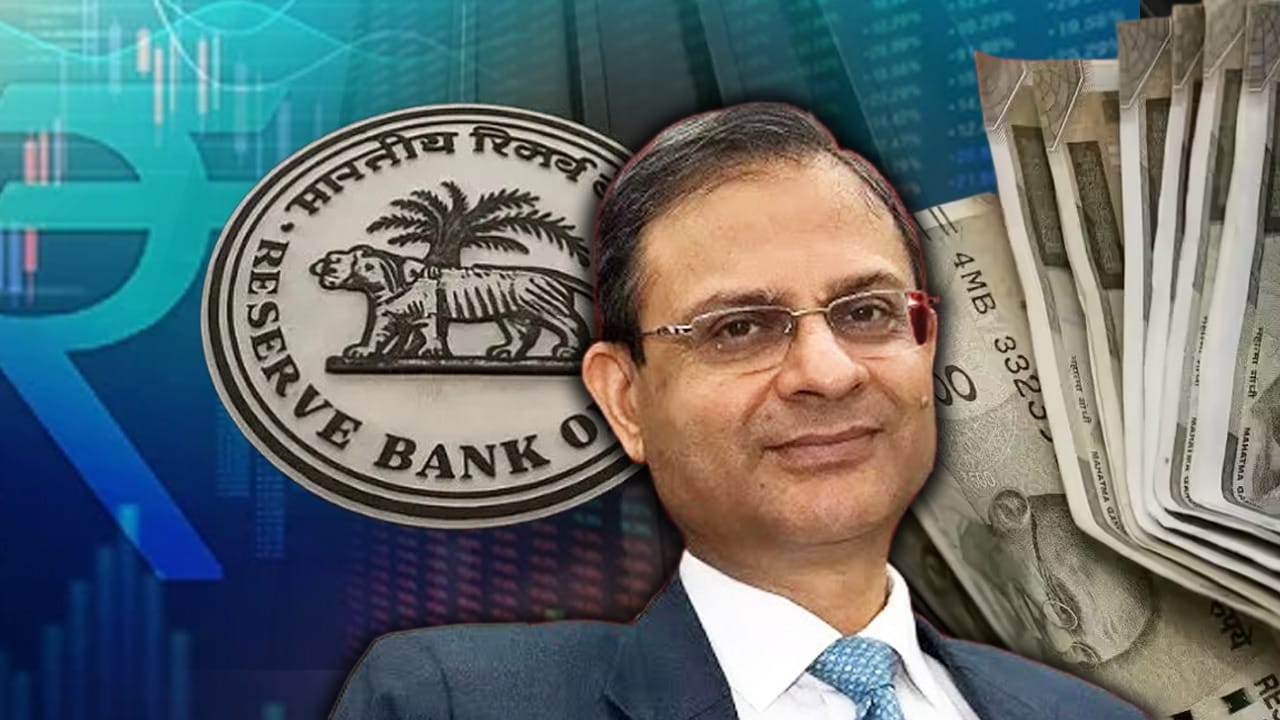
reserve Bank of India
Lines of concern have once again been drawn on the Indian economy front. Retail inflation has once again made a comeback and its figures have crossed the psychological level of 4 percent. This U-turn of inflation has created a new crisis situation in front of the Reserve Bank of India (RBI). Now the biggest question floating in the market is whether the Reserve Bank will increase the interest rates (Repo Rate) in the upcoming monetary policy meeting, or will it leave the rates as is to maintain the economic momentum. Let us understand the mathematics of this entire economy.
What was the retail inflation?
According to government data, retail inflation increased to 4.38 percent in June due to cost of food items. Due to this, the inflation rate went above the Reserve Bank’s median target of 4 percent. This is the first time that retail inflation under the new series has gone above the 4 percent level. This new series came into effect from January this year. The base year of the new series is 2024. In June, the inflation rate based on the Consumer Price Index (CPI) increased to 4.38 percent from 3.93 percent in May. According to CPI data released by the National Statistics Office (NSO), the inflation rate of food items increased to 5.32 percent in June from 4.78 percent in the previous month. According to NSO data, the top five items with highest inflation in June included silver, gold, diamond and platinum jewellery, ginger, tomato, and raisins and raisins etc.
What does crossing the ‘Lakshman Rekha’ of 4% mean?
RBI has set a target of maintaining the inflation rate at 4 percent (with a tolerance band of 2% above or below).
Target Midpoint: 4 percent is considered the ideal situation of inflation. Going above this indicates that the prices of food items, fuel or other essential goods are increasing rapidly in the market.
Shock to expectations of interest rate cut: It was expected in the market for a long time that if inflation remains under control, then RBI will give relief to the general public on loans and EMIs by cutting the repo rate. But as soon as the figures cross 4 percent, this hope seems to be dashing.
What is the big dilemma facing RBI?
Control on inflation: If the central bank gives priority to controlling inflation, then it may have to increase interest rates (Repo Rate) to reduce liquidity (flow of money) in the market.
Speed of economic development: On the other hand, if interest rates are increased, personal loans and home loans will become costlier. This may affect the spending power of common consumers, which could lead to a slowing down of economic growth.
What will be the impact on the general public and your pocket?
If the Reserve Bank comes under the pressure of inflation and takes strict action, then it will have a direct impact on the common consumers:
No relief in loan and EMI: Looking at the current situation, it is clear that the EMI of home loan, car loan or personal loan is not likely to reduce in the coming few months.
Threat of increasing rates: If inflation continues to rise like this in the next quarter, banks may also increase interest rates on loans, which will put additional burden on your pocket.
Benefits on Fixed Deposit (FD): This may be bad news for borrowers, but it can be a matter of relief for senior citizens and those investing in FD, because if interest rates remain high, returns on FD will continue to be good.
Need to pay special attention to two uncertainties
Crude Oil: Geopolitical developments in West Asia remain uncertain, and a sustained rise in crude oil prices will ultimately weigh on transportation costs, production spending and inflation expectations. In contrast to the current base effect, a prolonged rise in oil prices could pose a more persistent challenge to inflation.
Monsoon: Rainfall has been uneven in many areas, raising questions about Kharif sowing and food prices at the end of the year. Although India’s food inflation is now less sensitive to monsoon fluctuations than a decade ago due to better buffer stocks, better irrigation and more efficient supply-chain management, agriculture still remains an important factor. Food inflation may remain high for a long time if the crop is lower than expected.
What do experts believe?
Most economic analysts believe that RBI will not take a decision to increase interest rates immediately. The central bank can now adopt the policy of ‘wait and watch’. However, the possibility of rate cut is now completely over and the tight monetary stance is expected to continue further. Inflation crossing 4% clearly indicates that the impact of global uncertainties and supply chain problems in the domestic market is visible on the economy. Now all eyes are on the next policy meeting of the Reserve Bank, which will decide on which side the camel of EMI coming out of your pocket will sit.