There is no fertilizer crisis for farmers
The direct impact of the ongoing tension in Western Asia is now clearly visible on India’s government treasury. If this geopolitical crisis continues like this, the central government’s fertilizer subsidy bill may cross Rs 3 lakh crore in the current financial year. This amount is much more than the estimate of Rs 1.79 lakh crore fixed in the budget. The only thing of relief for the common man and farmers is that there is sufficient stock of fertilizer in the country, hence they will not have to face any kind of shortage at the time of sowing. But the government has to pay the price of maintaining this huge reserve by paying historic subsidies.
This war will weigh heavily on the treasury
Krishna Kant Pathak, Joint Secretary, Department of Fertilizers, clarified the situation completely in a program of ICRIER. Before the war in West Asia started, India’s fertilizer subsidy bill used to be around Rs 2 lakh crore. Now due to deteriorating supply chain in the international market, the cost is increasing rapidly. If the situation does not improve soon, this subsidy figure will cross Rs 3 lakh crore. Remember, the highest fertilizer subsidy so far was Rs 2.51 lakh crore in the financial year 2022-23. Obviously, such a huge additional burden on the government exchequer can affect other economic decisions related to the common man.
no shortage of fertilizer
The biggest question in the minds of common people is whether this crisis will put a brake on agriculture? The government says there is nothing to worry about. We currently have a reserve of more than 2 crore (20 million) tonnes of fertilizer. India consumes about 7 crore tonnes of fertilizer every year. Only 4 crore tonnes of urea is included in this. Apart from this, 1 crore tonnes of DAP and 1.5 crore tonnes of NPKS are consumed. This huge consumption figure only increases our import bill.
It is necessary to find a suitable alternative to urea
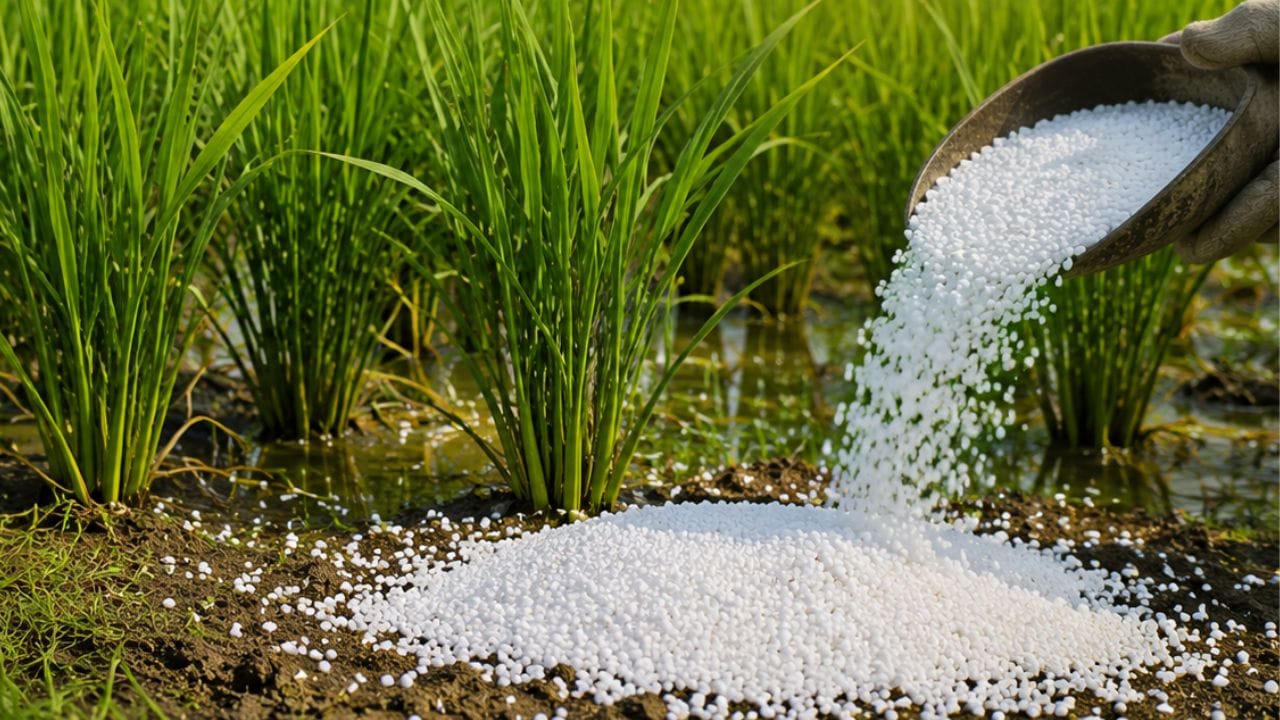
Excessive use of urea is a big problem in the agriculture sector. Only 30 percent of the urea applied in the fields is absorbed by the soil, the rest goes waste. Experiments ranging from nano urea to neem-coated urea did not achieve any major success. Now the time has come that we move towards new and effective technologies like zinc-coated or sulfur-coated urea. Increasing the use of ammonium sulphate can also be a good step, because the soil absorbs it by about 70 percent. Along with this, dependence on chemical fertilizers can also be reduced by increasing the cultivation of pulses including indigenous crops like ragi and sesame.