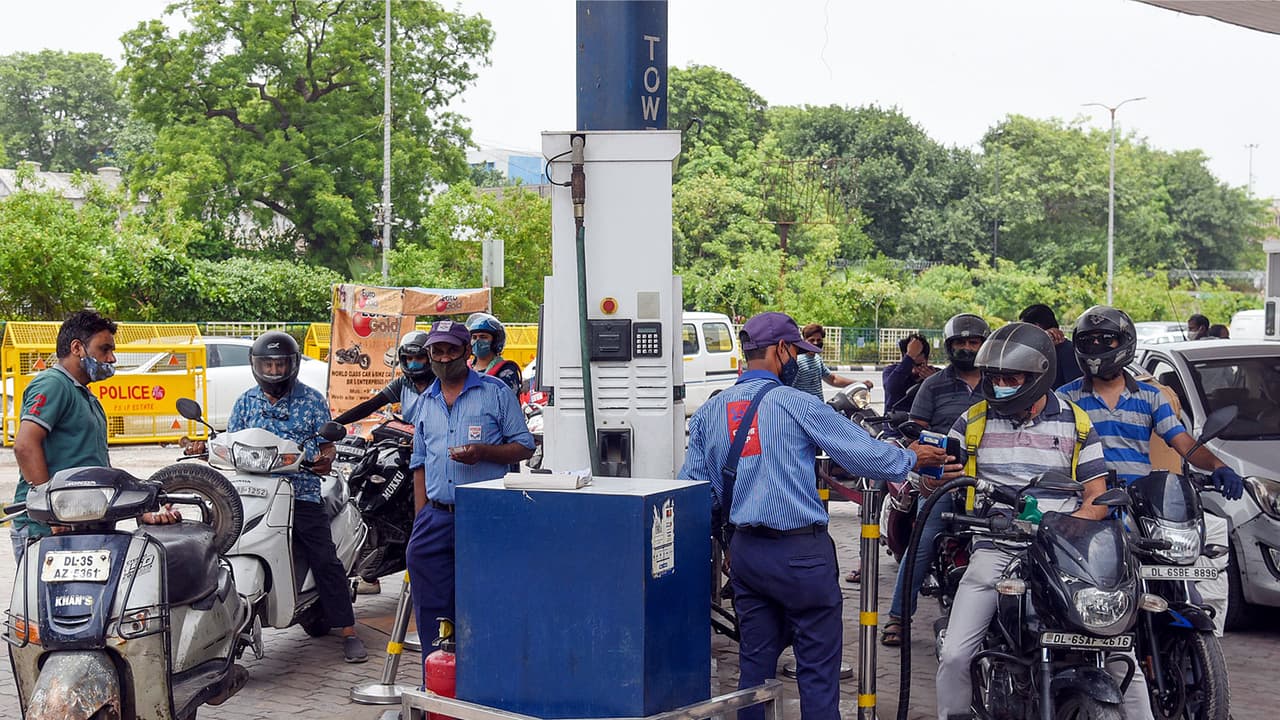
The Petroleum Ministry stated that offering choices between pure petrol, E10, and E20 is not feasible due to logistical challenges in India’s vast fuel network. The shift to E20 was a planned transition after consulting with auto manufacturers.
Logistical Hurdles Behind E20 Transition
The Ministry said India’s shift towards E20 was part of a planned transition after extensive consultations with automobile manufacturers, testing agencies and other stakeholders. It added that the decision was based on technical evaluations covering vehicle compatibility, engine performance, emissions and fuel efficiency.
Addressing the demand for separate availability of pure petrol, E10 and E20 at fuel stations, the Ministry said India’s fuel distribution system is not designed to operate multiple nationwide base fuel streams simultaneously. “India operates over one lakh retail outlets, supported by an extensive network of refineries, terminals, depots and pipelines,” the Ministry said, adding that maintaining separate supply chains for different petrol blends would increase handling costs, complicate inventory management and reduce operational efficiency.
The Ministry said comparisons with premium petrol were not applicable, as premium fuels are niche products sold in limited quantities with specialised additives and do not represent separate nationwide fuel supply chains.
Vehicle Compatibility and Manufacturer Support
On concerns regarding older vehicles that were initially labelled as only E10-compatible, the Ministry said automobile manufacturers were consulted before the rollout of higher ethanol blends and have continued to support the transition. It said manufacturers would not have endorsed E20 or honoured warranties if they were not satisfied with the results of extensive testing and consultations.
“Had automobile manufacturers not been fully satisfied with the results, they would never have stood behind the product or honoured vehicle warranties. The fact that virtually every manufacturer today is honoring warranty for all vehicles (old or new) is because they have been part of the consultation,” the Ministry said.
Field Experience and Data
Citing field experience, the Ministry said Maruti Suzuki serviced 2.84 crore vehicles during FY 2025-26, including 1.5 crore older, non-E20-certified vehicles, and reported no E20-related issues such as corrosion, abnormal wear or component damage. It added that Hero MotoCorp has reported similar experiences.
Balancing Fuel Economy with National Benefits
The Ministry acknowledged that some vehicles may see a 3-5 per cent reduction in fuel economy with E20 but said mileage is only one factor in assessing fuel quality. It said E20 offers advantages such as higher octane rating, improved combustion, smoother acceleration, cleaner engine operation and reduced lifecycle carbon emissions.
The Ministry also said the transition to E20 was linked not only to fuel quality but also to reducing crude oil imports, improving energy security and supporting farmers through increased ethanol production. (ANI)
(Except for the headline, this story has not been edited by Asianetnews Editorial staff and is published from a syndicated feed.)