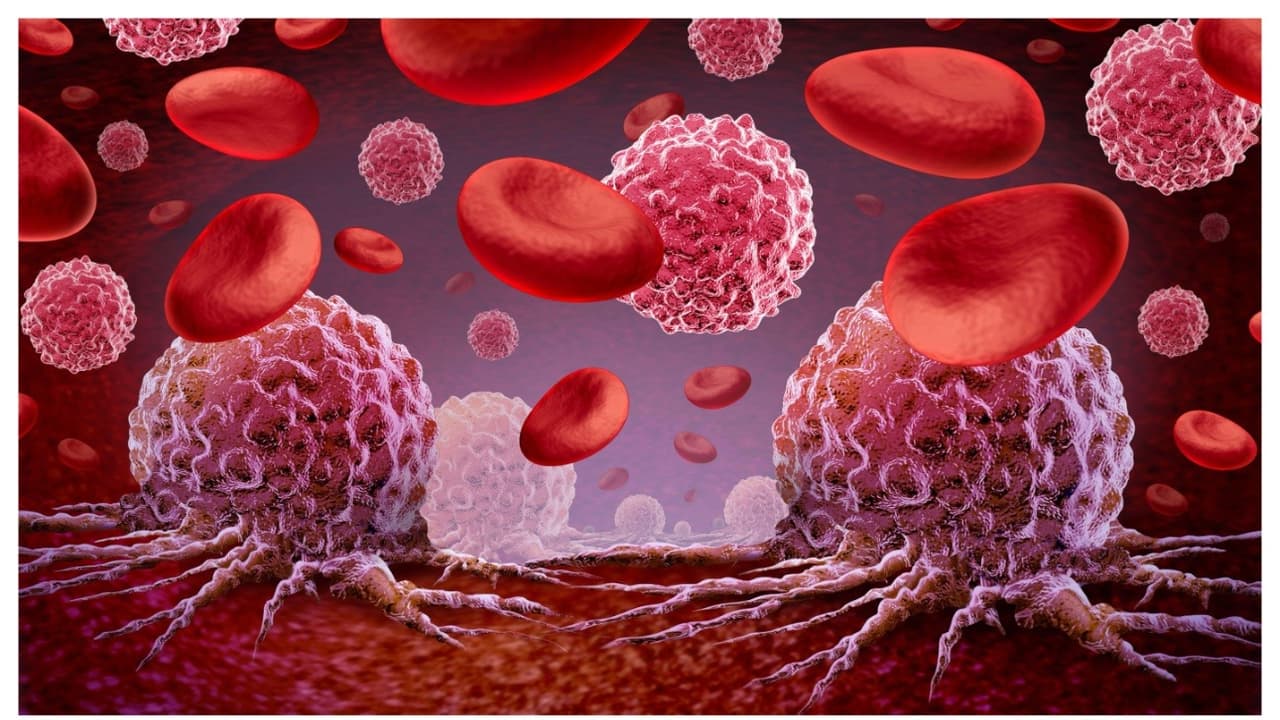
Blood cancers such as leukemia, lymphoma and myeloma can have symptoms that overlap with common health problems. Learn about key warning signs and when persistent or unusual symptoms may need medical attention.
Every year, September is observed as Blood Cancer Awareness Month. It would be prudent to say that we, as a nation, are still unaware of the various blood cancers and their prognosis. Taboos and myths related to blood cancers are still more common compared to those around solid organ cancers like lung, liver, or pancreatic cancer.
When I disclose a diagnosis of blood cancer to my patients in the clinic, I am still careful to disclose it sequentially, rather than rushing through it. Blood cancers, as the name suggests, are cancers arising from bone marrow stem cells. Depending on which type of blood cell is affected, they can be categorised into myeloid malignancies (myeloid leukemias, myelodysplastic syndrome, myeloproliferative diseases, etc.), lymphoid malignancies (lymphomas or lymphoid leukemias), and plasma cell disorders (involving plasma cells — like myeloma or amyloidosis).
Blood cancers are seldom truly silent: in fact, they can be picked up early if we are aware and alert to changes in our bodies. Most of the time, these small discomforts are missed or neglected, and so the diagnosis is delayed — making blood cancers appear to be silent.
Unlike other solid organ cancers, where symptoms may be related to a specific organ, symptoms of blood cancers are mainly constitutional and more closely mimic an infection. Blood cancers, in general, don’t have a fixed age predilection and can occur at any age.
Patients with blood cancers (leukemia or lymphomas)can present with various constitutional symptoms, such as:
● Fatigue
● Fever
● Weight loss
● Loss of appetite
● Night sweats
● Body or bone pain
Usually, the presence of these symptoms along with a short history leads physicians to treat them with antibiotics, suspecting an infection. When the patient doesn’t respond to conventional antibiotics, blood investigations, radiological imaging, and referral to a specialist may finally reveal the diagnosis of blood cancer.
Other symptoms of leukemias are usually related to the dysfunction or deficiency of a particular blood cell line. Low red blood cell production leads to low hemoglobin, and therefore symptoms of anemia — fatigue, pallor, shortness of breath, headache, etc. Low platelets lead to an increased tendency for easy bruising and gum bleeds. Low white blood cell counts result in an increased susceptibility to infections compared to a healthy individual.
Lymphomas are usually divided into Hodgkin’s and non-Hodgkin’s lymphoma. The most common presentation is an increase in the size of lymph nodes, the spleen, or the liver. Unexplained swellings in the neck, armpit, or groin need immediate attention from a doctor. Sometimes these lymph node swellings are not visible or palpable externally and instead present as large swellings internally, which can only be diagnosed using radiological imaging such as a CT scan, MRI, PET-CT, or ultrasound.
Multiple myeloma is a cancer of plasma cells — the antibody-producing cells in our body. The presence of abnormal plasma cells leads to abnormal antibodies, and hence an increased tendency to develop infections. These abnormal proteins can also deposit in the kidneys, leading to acute renal failure, which may be the initial presenting symptom. The risk of pathological fractures is much higher compared to other blood cancers, due to its unique disease pathogenesis, and it mainly affects the elderly population
With better treatment protocols and newer advancements in treatment, most patients diagnosed today can look forward to favourable outcomes in their battle against cancer.
-This article is authored by Dr. Ashwin V Nair, Associate Consultant , Clinical Hematology and Bone Marrow Transplant, KIMSHEALTH, Thiruvananthapuram