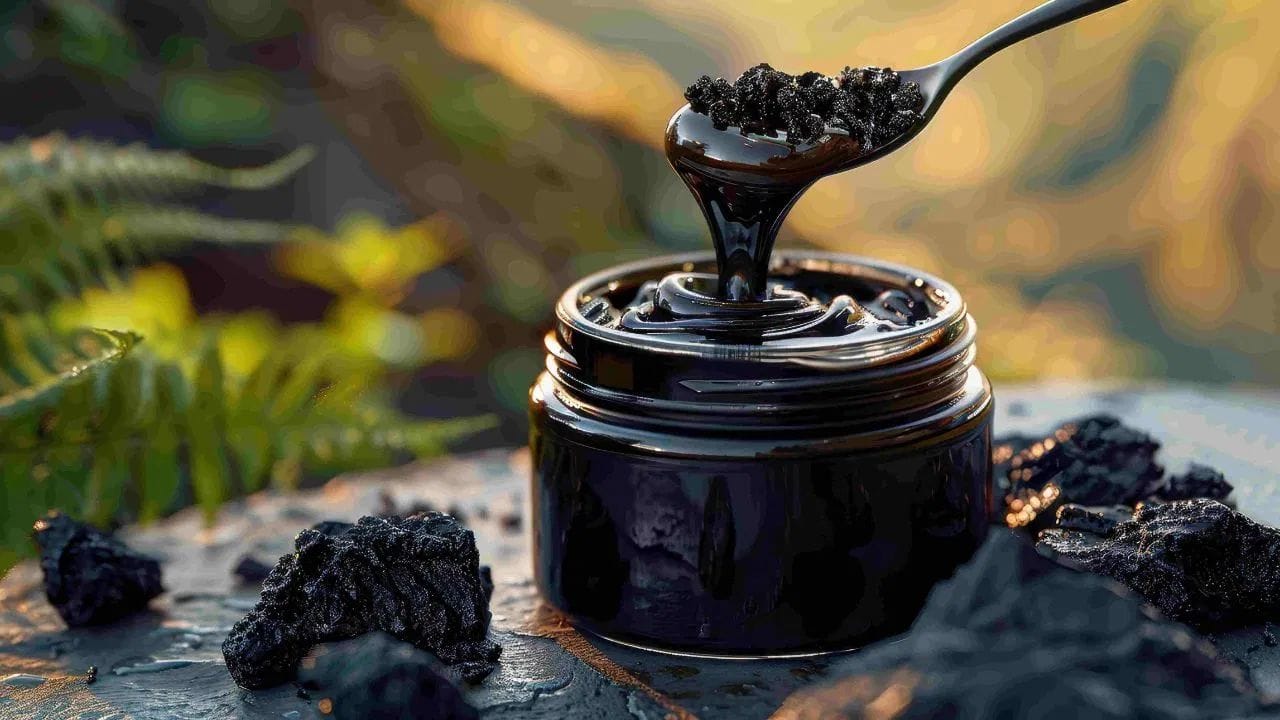
Shilajit, found in the Himalayan regions, is becoming a major source of income these days. It is considered very valuable in Ayurveda and full of medicinal properties. In the summer season, especially between May and July, it emerges from the rocks of the mountains, so this is its main season.
high market price
The demand for Shilajit is increasing rapidly not only in the country but also in foreign countries. The price of pure Shilajit in the market ranges from thousands to lakhs of rupees per kg. The prices are decided on the basis of its quality and purity. This is the reason why many people also call it black gold.
How is collection done?
Collecting Shilajit is not an easy task. It originates from the cracks of rocks in high and inaccessible mountainous areas. Local people extract it carefully using special technology. After this it is cleaned and processed, so that it can be made suitable for use. Before refining, the price of Shilajit is between Rs 2 to 5 thousand per kg, but when it is refined, it can be sold at a price up to Rs 1 lakh per kg depending on the quality.
Increasing demand in Ayurveda
Due to the increasing popularity of Ayurveda and herbal products, the demand for Shilajit has increased rapidly. It is considered beneficial in increasing strength, improving immunity and many health problems. Many companies are selling it in the form of capsules, powder and resin.
Good profit in less investment
According to experts, if collected and sold properly, it is possible to earn lakhs of rupees from Shilajit. Especially for the people of hilly areas, it can become a good source of additional income.
Caution is also necessary
However, it is very important to take care of safety while collecting Shilajit, because it is found in dangerous hilly areas. Besides, it is also important to avoid adulteration and maintain the right quality, only then one can get good prices in the market. Overall, Shilajit is not only special for its medicinal properties, but if used properly, it can also become a strong source of employment and income in rural and hilly areas.