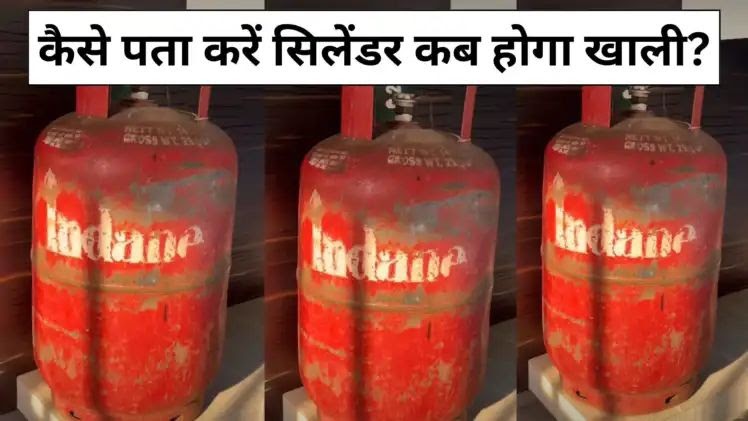
Many times it happens that vegetables are being cooked in the house, rotis are being made and then suddenly the gas runs out. At such times, the most common question that comes to mind is why it was not known earlier when the cylinder was finished.
The truth is that most people do not know how much LPG gas is being consumed in their house every day. If a little calculation of gas consumption is understood, then not only can preparations be made before the cylinder runs out, but gas expenditure can also be reduced. Let us know how LPG consumption is measured and how gas can be saved in some easy ways.
What is LPG?
LPG means Liquefied Petroleum Gas. This is the same gas that is used for cooking in most Indian homes. It is kept in liquid form in the cylinder and at the time of use it turns into gas. Its special thing is that it produces a good amount of heat even in small quantities.
When you know how much gas is being spent in the house, then a new cylinder can be booked before the cylinder runs out. Due to this, there is no problem while cooking in between. It also helps in understanding the monthly gas expenditure and making budget.
How is LPG consumption calculated?
Three things are necessary to calculate gas consumption. First, the quantity of gas present in the cylinder. Second, the energy efficiency of LPG. Third, the rating of the equipment being used. For example, if a gas water heater uses approximately 18 MJ of energy per hour, its LPG consumption will be approximately 0.39 kg per hour. According to this, a 14.2 kg domestic cylinder can last for about 36 hours.
For what reasons does gas cost more?
Old or dirty burners can consume more gas. Apart from this, cooking food on high flame for a long time also empties the cylinder quickly. Gas consumption can also increase if the appliance is not properly maintained.
How to check how much gas is in the cylinder – (Wet Cloth Trick For Gas Cylinder)
- Wet the cloth- First of all, take a cotton cloth and soak it thoroughly with water. Keep in mind that the cloth should not be too dripping, it should just be thoroughly wet.
- Turn on the cylinder- Now rub or move this wet cloth all around your gas cylinder from top to bottom. A thin layer of water should form over the cylinder.
- Wait 1 minute- After turning the cloth, you just have to wait for a minute. During this time you will see that the water on the cylinder will slowly start drying up.
- Try touching- After a minute, touch the cylinder body from top to bottom.
- wet cloth- After applying a wet cloth on the cylinder, the part which dries quickly is empty, whereas the part which remains cold and wet may contain gas.
Watch the video here-
Easy ways to save gas-
While cooking, keep the vessel covered so that the heat does not escape. Soak pulses and grains in advance, this helps them cook faster. Do not use high flame if not necessary. Keep cleaning the burner regularly. These small habits can save gas a lot.
– Had gone out for a walk, became victim of stress, Shafali told how Monsoon Blues spoiled the fun of the trip