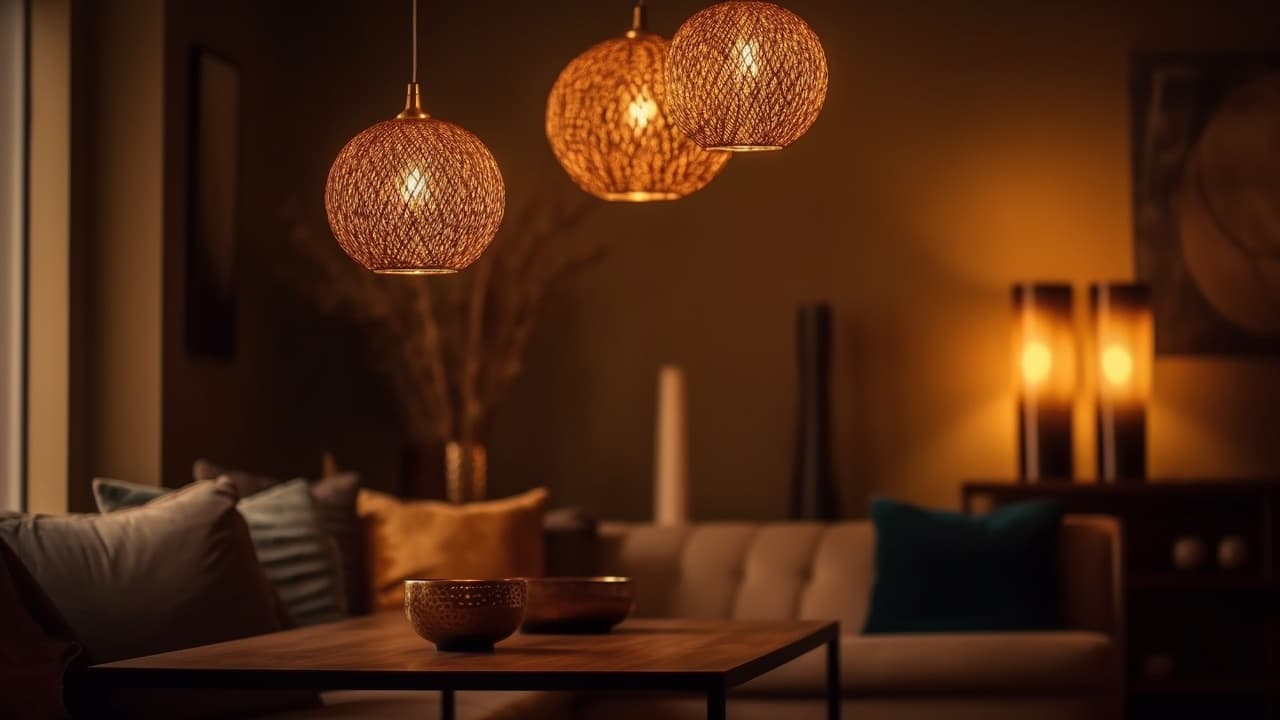
Lighting can dramatically change how a room looks and feels, sometimes more than furniture. Discover how ambient, task and accent lighting can transform spaces, enhance colours and create the right mood.
For a long time, I believed furniture was the most important part of interior design. Whenever I wanted to improve a room, I looked at sofas, tables, cabinets and chairs first. I assumed that better furniture would automatically make the space look more stylish.
That belief changed when I moved a lamp in my living room and switched on a warmer light one evening. The furniture was exactly the same, but the entire room suddenly felt softer, more inviting and better planned. That small moment made me realise that lighting does more than help us see. It shapes how we experience every colour, texture and object around us.
My Furniture-First Mistake
When I first started decorating my living room, I spent most of my time choosing furniture. I selected a comfortable sofa, added a centre table and placed a cabinet against the wall. Each piece looked good on its own, but the room still felt flat.
During the day, natural light helped the space look pleasant. After sunset, however, one bright ceiling light washed out the colours and created harsh shadows. The sofa looked dull, the wall decor disappeared, and the corners felt disconnected from the rest of the room.
That was when I understood that furniture cannot create the desired effect if the lighting does not support it. Even an attractive room can feel unfinished when every area receives the same intensity and colour of light.
I began looking at lighting as part of the design itself rather than a final utility added after the room was furnished.
Light Changed the Mood
My first improvement was simple. I replaced the idea of using one strong light with a combination of general, focused and ambient lighting.
The main ceiling light continued to provide basic illumination, but I added softer light near the seating area. I also used Wipro consumer light’s decorative lights to bring warmth to a corner that earlier looked empty after dark.
The result surprised me. The room did not just become brighter. It became more comfortable. The same sofa appeared richer, the cushions looked more colourful, and the wall finish gained depth.
I also noticed how the colour of light changed my mood. Bright white light helped when I was cleaning or organising the room. Warmer light felt more suitable when I was relaxing, talking with family or watching television.
Furniture gave the room its function, but lighting gave it its personality.
Hidden Details Came Alive
The next area I worked on was a simple display unit. It had books, photographs and a few objects collected during family trips. During the day, the arrangement looked attractive, but at night, it blended into the wall.
I installed LED strip lights along the inner edge of the shelves. Once the strips were switched on, every object became more visible without making the unit look overly bright.
The light also created shadows behind the objects, making the display appear deeper and more layered. Nothing on the shelf had changed, yet it looked like a newly designed feature.
I later used Wipro Consumer Lighting LED strip lighting around a recessed section and below a cabinet. These lights helped define shapes that were already present in the room but had previously gone unnoticed.
Small Rooms Felt Larger
I used to think that making a compact room feel spacious required smaller furniture. That approach helped, but lighting created a more noticeable change.
In a narrow room, I directed light towards the walls instead of allowing all the brightness to fall only in the centre. The reflected light reduced dark corners and made the boundaries of the room feel less restrictive.
I also added light near the curtains and along a vertical design feature. Drawing the eye upwards made the ceiling appear higher. The room had the same measurements and the same furniture, but it no longer felt as closed.
Every Material Looked Different
Lighting also changed the way I noticed materials. Wood appeared warmer under soft light, while metal surfaces reflected sharper light more clearly. Textured walls gained character when the light reached them from an angle.
I had a wall finish that looked ordinary under the main ceiling light. When I placed focused lighting near it, the surface began showing subtle variations that I had never noticed before.
The same happened with fabrics. Curtains, rugs and cushions looked more detailed when the room had layered lighting instead of one flat source.
This made me more careful while choosing LED lights for home decoration. I no longer selected them only according to wattage or appearance. I considered what they would illuminate, where shadows would fall and how the light colour would affect the nearby materials.
Design Became More Flexible
Furniture usually stays in one place for long periods. Lighting, however, can change the character of a room within seconds.
In my living room, I could use bright illumination for reading, softer settings for conversations and accent lighting during festive gatherings. I did not need to rearrange the sofa or purchase new decor every time I wanted a different atmosphere.
Wipro Consumer Lighting options made it possible to adjust the room according to the moment. This flexibility became especially valuable because the same space served multiple purposes throughout the day.
The Element That Completes Every Room
My home still needs furniture. It provides comfort, storage and structure. However, my experience has shown me that furniture alone cannot decide how a room feels.
Lighting can make a simple chair appear elegant, turn an ordinary wall into a focal point and bring attention to details that would otherwise remain hidden. LED strip lights, decorative lights, and carefully selected LED lights for home decoration helped me see my interiors differently without replacing things I already owned.