Weak coordination within OPEC
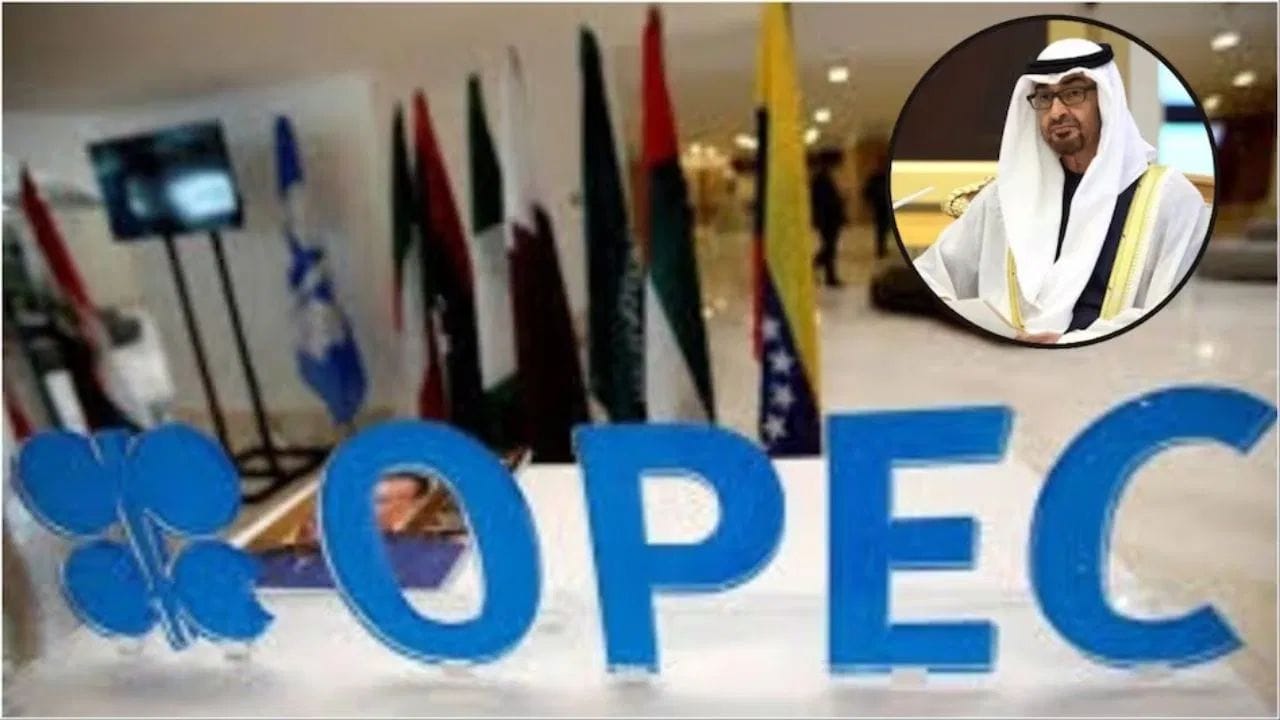
Taking a big decision, the United Arab Emirates has announced its exit from OPEC and OPEC+. This step, which gives priority to national interests, will come into effect from May 1. This decision taken at a time is considered special when the tension between America, Israel and Iran has already shaken the global energy market.
Question on OPEC’s unity
This step of UAE challenges the system under which oil producing countries have been controlling production and prices together for decades. OPEC’s strength has always been the unity of its members, but the separation of a big producer like UAE is an indication that countries are now giving priority to their economic interests over collective strategy.
This may make it difficult to implement decisions like production cuts in the future and increases the risk of OPEC’s grip on oil prices weakening.
Strategic differences with Saudi Arabia
This decision is also being seen from the perspective of the changing power of the Gulf region. Saudi Arabia has traditionally been a leader in OPEC and is in favor of reducing production to keep prices stable.
At the same time, UAE has been working on a strategy to earn more revenue by increasing its production capacity for a long time. This difference between the two countries is now clearly visible, which also shows regional economic competition.
What will be the impact on India?
This decision may bring mixed effects for an import-dependent country like India. If UAE brings more oil into the market, the increase in supply could bring down prices, which could bring relief to India’s import bill.
But if coordination within OPEC weakens, then volatility in oil prices may increase in future, which could become a challenge to economic stability.
changing global energy balance
This decision is part of a larger change where the global energy market is becoming more competitive and fragmented. The increasing production of shale oil in America and the shift towards renewable energy are already challenging the role of OPEC.
UAE’s new strategy
UAE’s focus is now on increasing revenue by making full use of its production capacity and in the long run taking the economy out of oil dependence. For this he is also emphasizing on new energy and diversification.
UAE’s exit from OPEC is not just an organizational change, but an indication of the changing balance in the global oil market and the new economic priorities of countries. In the coming time, its effect can be seen on both prices and energy policy.