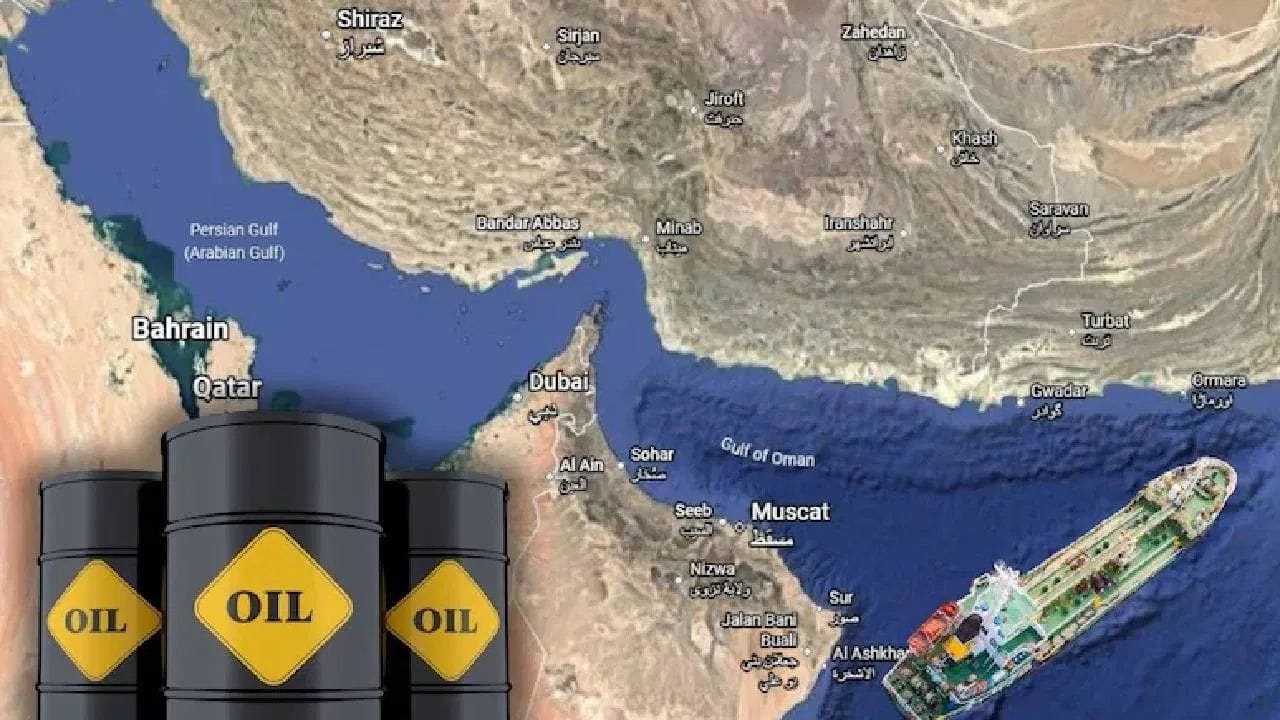
Iran-US tension again creates turmoil in global oil market
The increasing tension between Iran and America has once again shaken the global crude oil market. The impact of this geopolitical crisis, which started in February, is continuously visible on international oil prices. In recent developments, after US President Donald Trump’s statement regarding the end of the interim agreement with Iran, there was a rise of about 6% in the prices of Brent crude. It is clear from this that the increasing tension in West Asia still remains the biggest risk for the global energy market.
Sharp rise in both Brent and WTI
After Trump’s statement, the price of Brent crude increased by about 5.6% to above $ 78 per barrel. At the same time, American benchmark WTI crude also rose by 5.8% to reach $ 74.55 per barrel. Speaking to reporters during the NATO summit, Trump said, “In my opinion, this agreement is over. Talking to them now is a waste of time.”
February: Start of war and first major oil boom
Tension between Iran and America increased rapidly in late February. News of military action and retaliatory attacks between the two countries increased uncertainty in the market. This had a direct impact on crude oil prices and Brent crude reached above $100 per barrel. Investors feared that if the situation worsened, the world’s oil supply could be affected.
March to May: Tension eased, prices also slipped
After this, efforts for dialogue between the two countries started. With the hope that the war would not escalate further and that supplies would remain normal, oil prices gradually began to fall. Brent crude again returned to the range of $70. The market was confident that diplomatic efforts could handle the situation.
July: Tension increased again, 6% rise in oil
The situation worsened again when three ships were attacked in the Strait of Hormuz. In response, America took military action against Iran. After this, President Trump said that the interim agreement with Iran is now over, although negotiations can continue.
Immediately after this statement, the price of Brent crude in the international market increased by about 5.6% to above $78 per barrel, while American WTI crude also increased by about 5.8% to $74.55 per barrel.
Hormuz Strait became the cause of tension
Under the interim agreement between Iran and America, ships were allowed to pass through the Strait of Hormuz without any duty for 60 days. But Iran wanted the ships to pass through its designated route and later to be charged a fee for using this route.
The ships that were attacked on Tuesday were passing through the sea route near the coast of Oman instead of the route specified by Iran. This further increased the tension in the area.
What will be the impact on India?
India imports more than 85% of its crude oil needs. In such a situation, the cost of oil in the international market may have an impact on the country’s import cost. If crude oil prices remain high for a long time, pressure on petrol-diesel prices, inflation and the financial balance of the government may also increase.
Experts say that at present the market’s eyes are completely focused on the developments in West Asia. If the tension between Iran and America increases further or the oil supply from the Strait of Hormuz is disrupted, then a sharp rise in crude oil prices may be seen once again. At the same time, if both the countries are successful in finding a solution through negotiations, then the market may get relief.