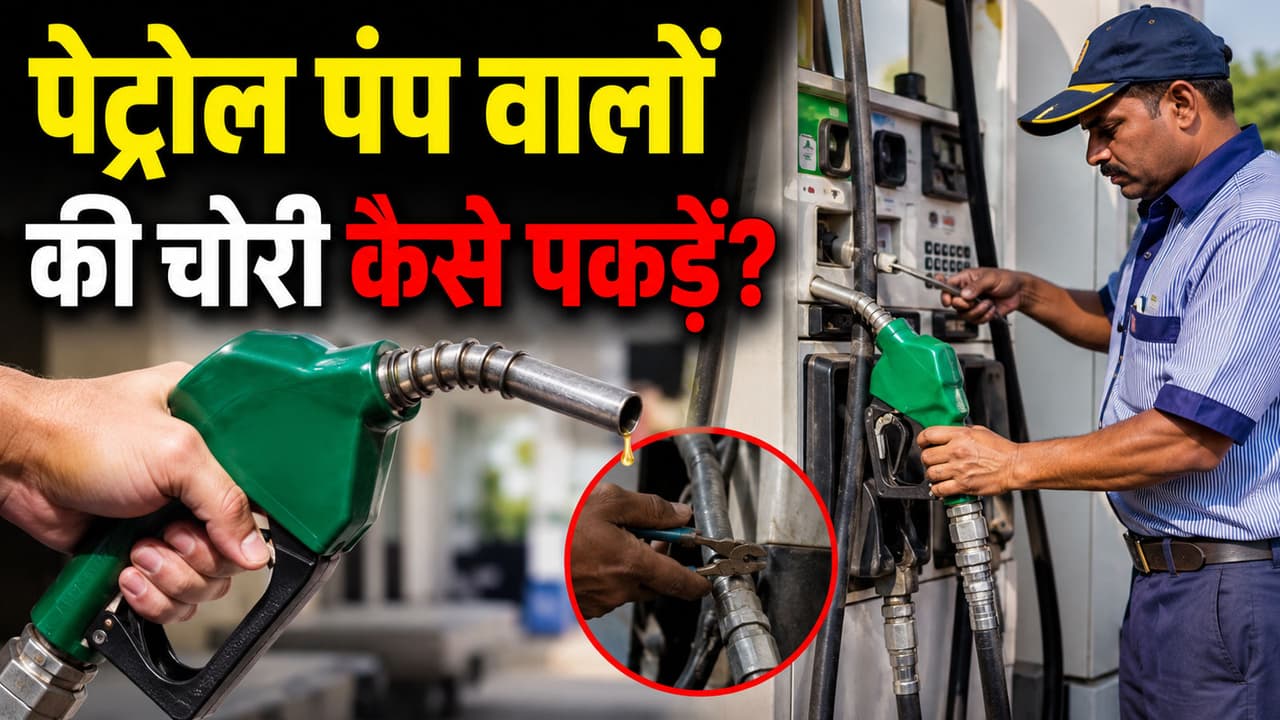
How to Check Petrol Quality: How to check whether the petrol available at the petrol pump is genuine or adulterated? What methods can you use to check this? What should be the correct density of petrol? If the petrol pump refuses to check, then where to complain?
Petrol Purity Check Process: Seeing zero after parking the car at a petrol pump is a habit of most people, but have you ever wondered whether the petrol for which you are paying ₹ 100 or more is completely genuine or not? In fact, on Thursday, June 11, 2026, the Central Government has implemented strict rules on hoarding of diesel and lifting of oil from common pumps by factories. After this new government order, discussions regarding the quality and adulteration of petrol and diesel have intensified among the general public. People are afraid that in such a situation, some petrol pump owners might start the game of adulteration in order to earn profit. But you don’t need to worry even a bit. The government has given some such legal rights to the common customers, through which you can check yourself in just 2 minutes without spending ₹ 1 whether the petrol going in your car is genuine or has water and chemicals mixed in it. Let us know how…
filter paper test to check petrol
This is the easiest way to check the purity of petrol. According to the rules, it is mandatory to keep this paper at every petrol pump. To check petrol, you can ask for filter paper from the pump employee. Now drop only two drops of petrol on this paper. Wait 2 minutes. If the petrol is genuine, it will evaporate in the air and there will be no stain or stain left on the filter paper. But if there is water, kerosene or any other adulteration in petrol, then a dark pink or dirty stain will be left on the paper.
Density check at petrol pump
When you see zero on the petrol pump machine, there is another small digital number running on the same screen, which is called density. To check this, before installing the oil pipe in the vehicle, check the density written on the machine. As per government regulations, the density of genuine and pure petrol should always be between 720 to 775 kg/m³. If the number shown on the machine is more or less than this range, then understand that there is adulteration in the oil.
Glass jar test to check petrol quality
If you are getting low mileage while driving or are getting strange noises from the engine, you can use a 5 liter certified glass jar fitted on the pump. The pump vendors have a glass jar certified by the government. Fill it with petrol. Leave the petrol to cool for a while. If water has been mixed in it, water being heavy will settle at the bottom of the jar and petrol will float on top. The color of genuine petrol will look absolutely clear and uniform.
Where to complain if adulteration is found in petrol?
If a petrol pump refuses to give you filter paper or you suspect adulteration, then there is no need to remain silent. You can complain directly from your mobile on the toll-free number 1800-2333-555 or 1917 helpline of that oil company (like IOCL, HPCL, BPCL) or on the official website of petrol companies. If you want, you can also complain to PESO (Petroleum and Explosives Safety Organization).