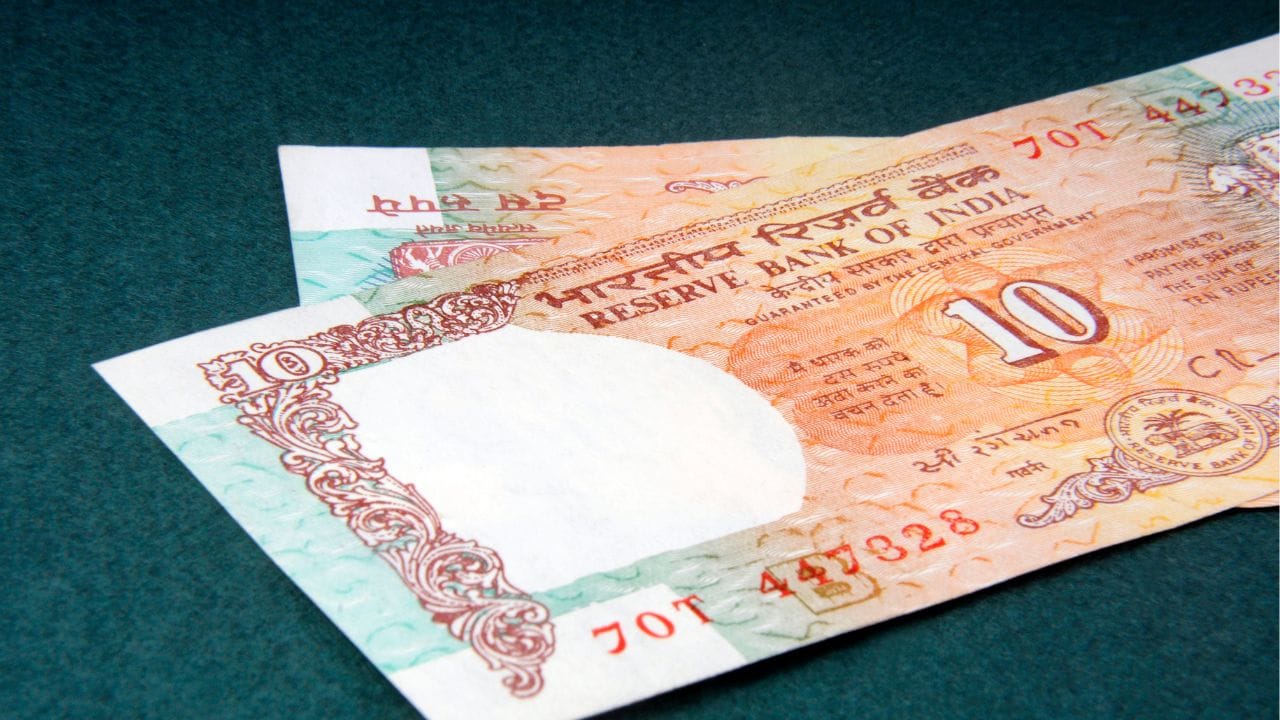
Soon people can see new polymer i.e. plastic notes of ₹ 10 and ₹ 20. The Central Government has approved the proposal of the Reserve Bank of India (RBI), under which field trials of these notes will be done first and if successful, they will be issued regularly.
Minister of State for Finance Pankaj Chaudhary told Parliament on Monday that if the field trial is successful, the Reserve Bank of India (RBI) will issue polymer notes of ₹10 and ₹20 regularly. In a written reply to a question in the Lok Sabha, Pankaj Chaudhary said that a proposal was sent to the government under Section 25 of the Reserve Bank of India Act, 1934 on the recommendation of the Central Board of Directors of RBI.
In this proposal, permission was sought to issue 100-100 crore polymer notes of ₹10 and ₹20 for field trials. It was also proposed that if the field trial is successful, then polymer notes of both these denominations should be brought into regular circulation. Pankaj Chaudhary said that the government has approved this proposal of RBI.
old notes will not be banned
According to the proposal, RBI will issue 100 crore polymer notes of ₹10 and 100 crore polymer notes of ₹20 during field trials. In this test, it will be seen how durable these notes are, how they perform in circulation, how easy they are to use and how much people accept them in the different weather and conditions of India. If the trial is successful, only then a decision will be taken to release them regularly across the country. The Finance Ministry has also made it clear that at present both paper notes and polymer notes will circulate together. Currently, there is no proposal to completely ban traditional paper notes.
Advantages of polymer notes
RBI has said that based on the experience of many countries of the world, polymer notes have many advantages. These last longer than normal paper notes. Especially for small denomination notes like ₹10 and ₹20, which are used the most, polymer notes are considered more suitable. Due to their long life, there will be less need to repeatedly print new notes and destroy old notes. This will reduce government expenditure and waste will also be reduced. Apart from this, many advanced security features like transparent window, special security thread and modern security technology to prevent fake notes can be added to polymer notes, which will further strengthen the security of the notes.