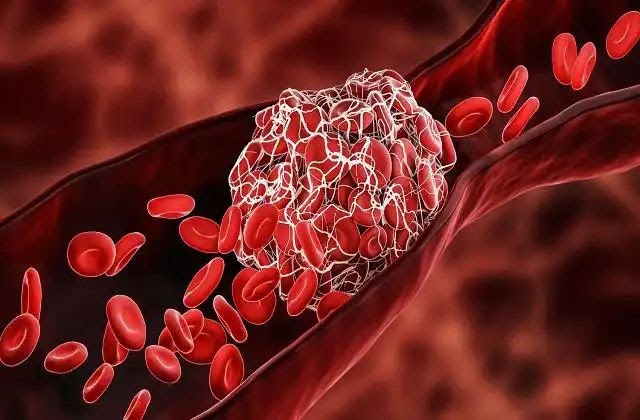
When the blood in the body becomes thicker than normal, the risk of many diseases increases. When it becomes thick (High Blood Viscosity) then many serious problems start occurring because the blood flow becomes very slow. But how does thick blood occur?
So let us tell you that blood thickening is a condition in which the blood becomes stickier than normal and its flow becomes slow. Due to this, oxygen and nutrients do not reach the body parts properly. This problem sometimes occurs without any symptoms, but if not taken care of in time, it can cause serious diseases.
problems caused by blood thickening
When the blood thickens, the blood flow in the body slows down, which can cause many serious problems. The biggest problem is the formation of blood clots. Formation of blood clots: This causes thick blood to clot easily and increases the risk of Deep Vein Thrombosis (DVT). Danger to heart: This has a direct impact on the heart because slow blood flow directly increases the pressure on the heart, which can increase the risk of heart attack. Risk of stroke: Like the heart, there can be blockage in the nerves of the brain. This may cause stroke (paralysis). Blockage of the heart and brain can prove fatal. Pain and swelling in legs: When blood circulation does not occur properly in the body, it can also cause swelling and pain, especially if blood circulation is not happening properly in the legs, heaviness, swelling and pain are inevitable. 

What causes blood to thicken?
Lack of water in the body (dehydration), excess fat and junk food, smoking and alcohol, high cholesterol.

What to eat and what not to eat if your blood is thick?
When blood thickens, proper diet is very important because eating habits can improve or worsen blood flow. Some things should be included in your diet and some things should be avoided.
Green vegetables: Spinach, fenugreek, broccoli – these improve blood circulation. Fruit: Orange, lemon, pomegranate, berries help in keeping the blood thin. Garlic and Ginger: These act as natural blood thinners. Omega-3 rich foods: Walnuts, flax seeds, fish – prevent blood from thickening. More water: Dehydration causes blood to thicken, so drink enough water throughout the day. turmeric: Reduces swelling and improves blood flow.

What should not be eaten?
Junk and fried food: It thickens the blood by increasing cholesterol. Too much sugar: Sweet drinks and sweets contribute to blood thickening. Too much salt: Increases swelling and problems by retaining water in the body. Alcohol and smoking: Spoils blood circulation. Too much red meat: Increases fat and cholesterol.
Remember that it is very important to adopt the right diet when blood thickens. You can control this problem to a great extent by eating healthy and drinking enough water.