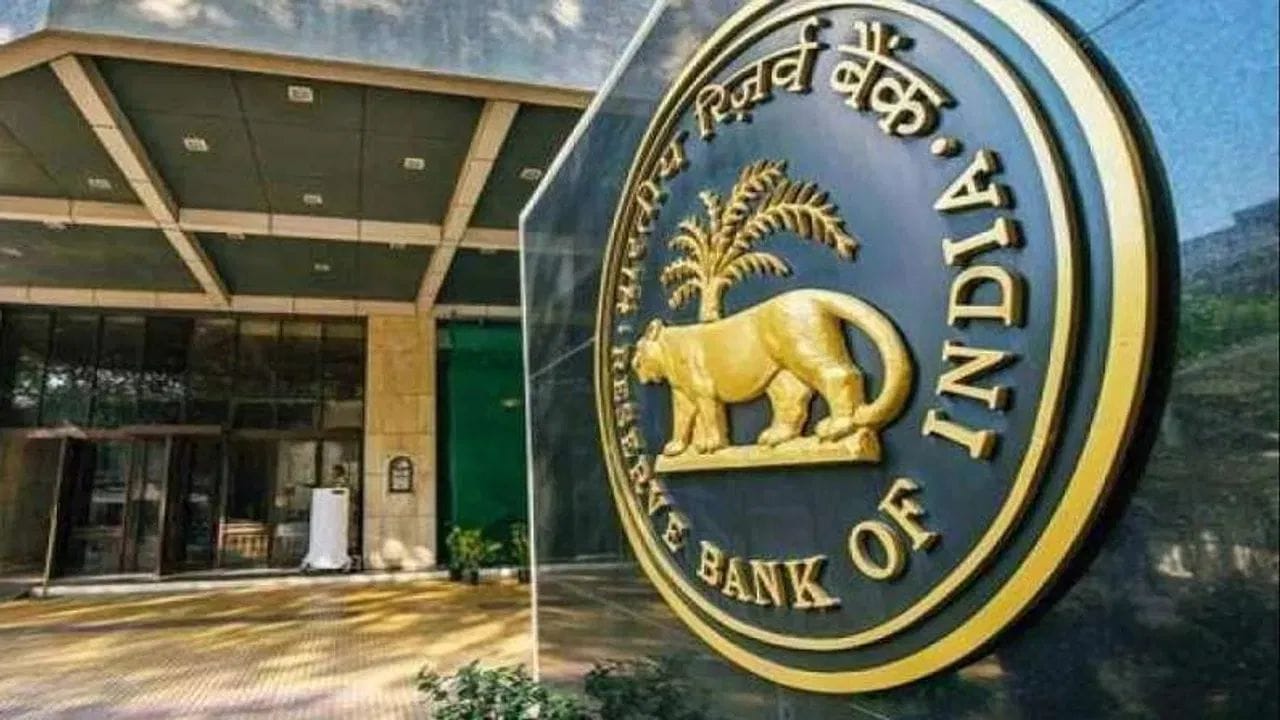
Reserve Bank of India
The Reserve Bank of India (RBI) on Tuesday canceled the license of Sarvodaya Co-operative Bank. He cited reasons behind this as insufficient capital, poor earning potential and non-compliance with the provisions of the Banking Regulatory Act. RBI said that this co-operative bank will stop doing banking business from May 12, 2026. The Cooperative Commissioner of Maharashtra and the Registrar of Cooperative Societies have also been requested to initiate the process of closing the bank and appoint a liquidator.
Why did RBI take action
According to the RBI, the bank did not have adequate capital and earning prospects, and had failed to comply with several regulatory requirements under the Banking Regulatory Act. RBI further said that continuation of the bank would be detrimental to the interests of depositors and public interest. RBI said that considering its current financial position, the bank will be unable to pay the entire amount to its existing depositors. He also added that if the bank is allowed to continue its banking business further, it will have an adverse impact on public interest. After the license is cancelled, the bank is barred from carrying on banking business, including accepting deposits and repaying them, with immediate effect.
Relief up to Rs 5 lakh
RBI said that depositors will be entitled to receive deposit insurance claims up to Rs 5 lakh from the Deposit Insurance and Credit Guarantee Corporation (DICGC). As per the data furnished by the bank, as on the date of implementation of the comprehensive instructions, about 98.36 per cent of depositors were eligible to receive the full amount of their deposits from DICGC. DICGC had already paid ₹26.72 crore towards insured deposits till March 31, 2026.