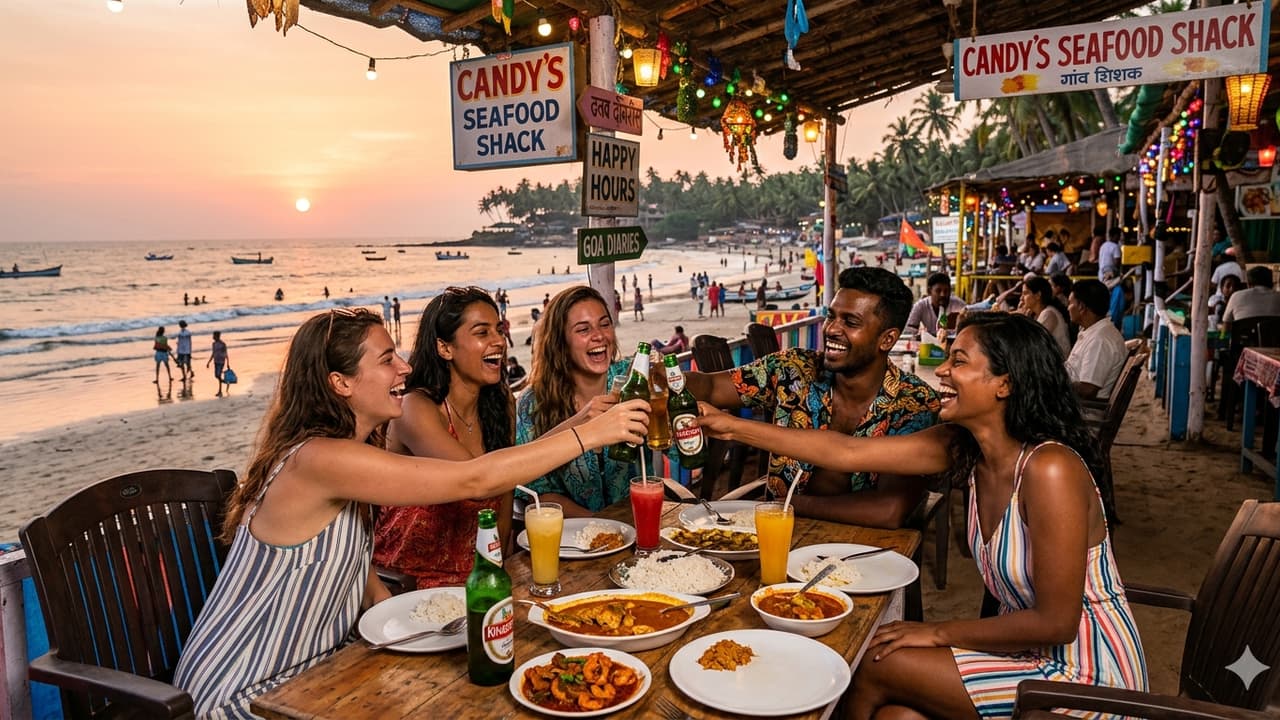
Goa is experiencing a major tourism revival, primarily driven by domestic visitors, which is boosting its economy. However, this resurgence has also intensified concerns about overtourism, causing traffic congestion, environmental strain, and pollution.
Goa, India’s most iconic beach destination, is witnessing a strong tourism revival, with packed beaches, rising hotel bookings and increased domestic as well as international footfall. However, the renewed travel boom is also reviving concerns around overtourism, traffic congestion, environmental stress and growing tensions between tourists and locals.
Tourism stakeholders say visitor numbers have climbed significantly over the past year, especially during long weekends and holiday seasons. Popular hotspots such as Baga, Calangute, Anjuna and Candolim continue to attract massive crowds, while South Goa is also seeing increasing tourist activity.
Domestic Tourism Driving Goa’s Recovery
Industry experts believe domestic travellers are playing the biggest role in Goa’s tourism rebound. Budget airlines, improved road connectivity and social media-driven travel trends have helped boost visitor numbers from cities including Bengaluru, Mumbai, Delhi and Hyderabad.
According to the India Today report, tourism operators have reported strong occupancy rates across hotels, homestays and luxury villas. Shack owners, taxi operators and local businesses dependent on tourism have welcomed the revival after years of uncertainty following the pandemic slowdown.
A local tourism stakeholder quoted in the report said, “Tourism is our backbone. Without tourists, thousands of families lose income.” The statement reflects how deeply the state’s economy relies on travel and hospitality.
Overtourism Debate Returns To Spotlight
Despite the economic boost, many residents are increasingly voicing concerns about overcrowding and pressure on local infrastructure. Traffic jams, garbage accumulation, noise pollution and reckless driving by tourists have become recurring complaints during peak travel periods.
Several locals interviewed in the report expressed frustration over irresponsible tourist behaviour and the strain it places on Goa’s everyday life. In some areas, complaints over loud parties, beach littering and inflated property rentals have intensified debates around sustainable tourism policies.
Social media has also amplified the discussion, with users sharing videos of overcrowded beaches and congested roads. Some residents argued that Goa risks losing its cultural identity if tourism growth continues without proper regulation.
Also Read: 5 Goa Experiences That Will Make You Want To Extend Your Vacation
Rising Costs Creating Friction
Another major issue highlighted in the report is the growing perception that Goa has become increasingly expensive. Tourists frequently complain about high hotel tariffs, costly taxi fares and inflated food prices during peak seasons.
At the same time, locals argue that rising tourism demand has pushed up property values and living costs for residents. Rental prices in several parts of North Goa have reportedly increased sharply due to holiday rentals and luxury tourism projects.
According to the report, these economic pressures are creating friction between locals and visitors, especially in areas where tourism expansion is rapidly transforming neighbourhoods and traditional communities.
Social Media’s Role In Goa’s Tourism Boom
Instagram reels, travel influencers and viral destination videos are playing a major role in driving tourist traffic to Goa. Lesser-known cafes, hidden beaches and nightlife spots often go viral overnight, leading to sudden crowd surges.
Travel creators continue to market Goa as a year-round destination rather than just a seasonal beach getaway. This constant visibility has helped maintain tourism momentum even during traditionally off-peak months.
However, experts warn that unchecked social media-driven tourism can accelerate environmental degradation if authorities fail to upgrade infrastructure and enforce responsible tourism practices.
Government Push For Better Tourism Management
The Goa government has repeatedly stated that it wants to promote high-value and sustainable tourism instead of uncontrolled mass tourism. Officials are focusing on eco-tourism, heritage tourism and cultural experiences to diversify the state’s tourism profile.
Authorities have also been discussing stricter enforcement against illegal constructions, reckless driving and violations involving beach cleanliness and noise pollution.
Industry leaders believe that balancing tourism growth with environmental protection will be crucial for Goa’s long-term future. Several tourism experts quoted in the report stressed that better waste management, improved public transport and tourist awareness campaigns are urgently needed.
Also Read: 24 Hours in Goa: Offbeat Travel Itinerary to Explore Hidden Beaches, Culture, Nature
Can Goa Balance Growth And Sustainability?
The renewed tourism boom has once again highlighted Goa’s complex relationship with travel. While tourism remains the backbone of the state economy, the pressures linked to overtourism are becoming increasingly difficult to ignore.
Many locals want better regulation rather than fewer tourists, arguing that responsible tourism can benefit both residents and visitors. Others fear that without stricter planning, Goa could lose the relaxed charm and natural beauty that made it famous globally.
As the state prepares for another busy travel season, the conversation around overtourism, sustainability and cultural preservation is likely to grow even louder.