Parliamentary committee discussed increasing nuclear energy production in the country. In the meeting, emphasis was laid on promoting nuclear energy along with solar energy, meeting the shortage of uranium from thorium reserves and achieving self-reliance in nuclear energy.
New Delhi [भारत]July 14 (ANI): The Parliamentary Standing Committee on Science and Technology, Environment, Forest and Climate Change on Monday heard the views of the Department of Atomic Energy and Nuclear Power Corporation of India Limited (NPCIL) on ‘Nuclear power generation in the country’ and discussed ways to promote nuclear energy along with solar energy. They also discussed ways to overcome uranium supply constraints and move towards self-reliance in nuclear energy by taking advantage of India’s thorium reserves.
Emphasis on promoting nuclear energy along with solar energy
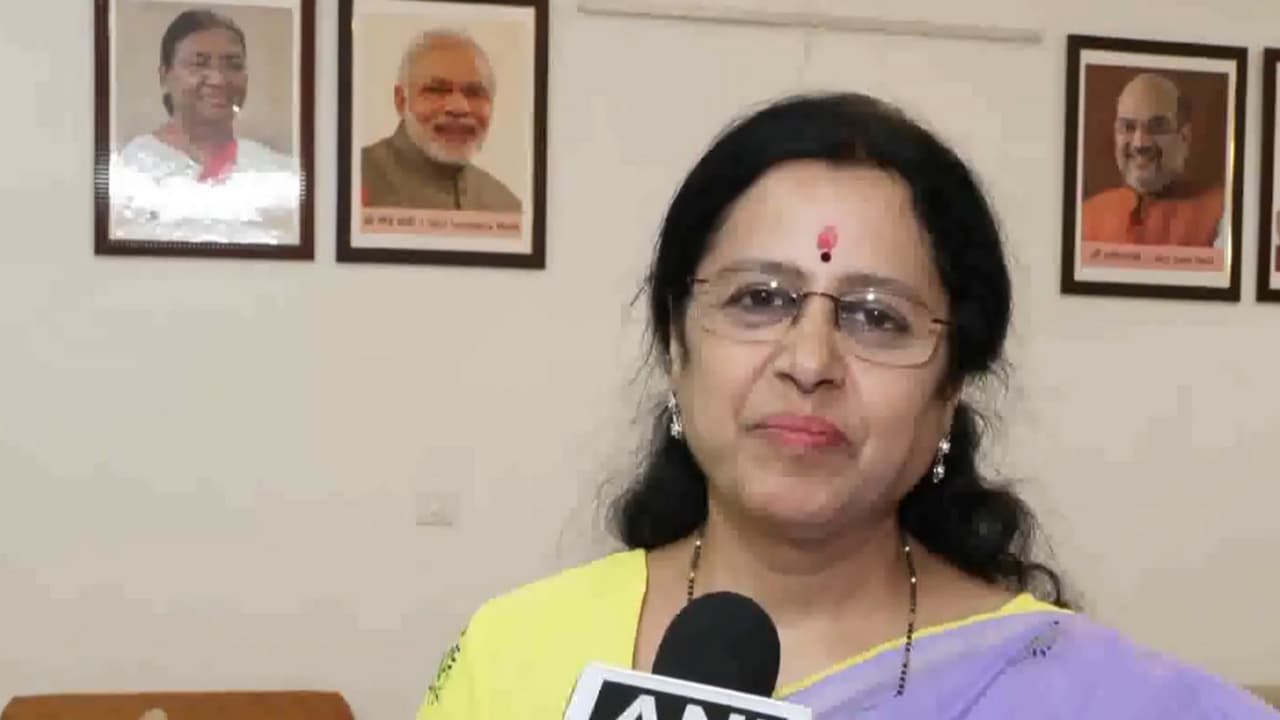
Committee chairperson Dr. Medha Vishram Kulkarni later said that the meeting was very useful. Medha Vishram Kulkarni told ANI, “The discussion focused on nuclear science, especially nuclear energy, including India’s current work, number of reactors in operation and future plans. India has pledged to achieve net-zero emissions by 2070. Work is underway on multiple fronts to address current challenges such as fuel issues, lack of availability and high carbon emissions, especially on expanding both solar and nuclear power capacities.”
He further said, “Discussions included strategies to promote nuclear energy with solar power, removing uranium supply constraints by taking advantage of India’s thorium reserves and charting a path towards self-reliance in nuclear energy… India is moving towards self-reliance and is investing heavily in resources and R&D; today we all felt very proud of our scientists and their efforts.”
Big milestone in India’s nuclear program
India achieved a major milestone in its nuclear power program in April this year, when the indigenously designed and built Prototype Fast Breeder Reactor (PFBR) at Kalpakkam, Tamil Nadu, successfully achieved criticality for the first time. This marked the beginning of a permanent nuclear chain reaction. This PFBR is a 500 MW (MW Electric) reactor built by Bharatiya Nabhikiya Vidyut Nigam Limited (BHAVINI) at the Kalpakkam Nuclear Complex.
With this achievement, India has officially entered the second phase of its three-phase nuclear energy programme, first envisioned by Dr. Homi Jehangir Bhabha, the father of India’s nuclear programme. This milestone is very important at the global level. Once fully operational, India will become the second country in the world after Russia to operate a commercial fast breeder reactor. (ANI)
(Except for the headline, this story has not been edited by Asianetnews Editorial staff and is published from a syndicated feed.)