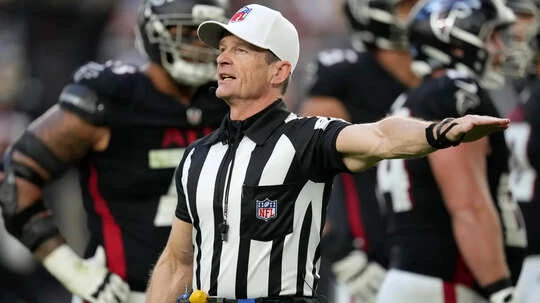
The NFL and the NFL Referees Association reached a new seven-year collective bargaining agreement on Friday, successfully averting a potential work stoppage and the use of replacement officials.
This agreement will remain in effect through the 2032 NFL season.
The deal was approved by the union’s board of directors and ratified by a membership vote, marking a significant development in the relationship between the league and its officials as they prepare for the upcoming 2026 season.
Details of the Agreement
The NFL’s collective bargaining agreement with the referees was initially set to expire on May 31. Negotiations commenced in the summer of 2024, during which the league began the onboarding process for replacement officials due to stalled talks. However, the finalized agreement has rendered those plans unnecessary.
A joint statement from both the NFL and the referees association highlighted that the agreement encompasses a variety of issues, including economic factors, performance standards, and accountability measures.
Statements from Union Leaders
Union President Carl Cheffers expressed optimism regarding the new CBA, stating, “We see this new CBA as a partnership with the league that benefits our membership but also seeks to make our game better. It is good to get these negotiations behind us so we can focus on preparing for the 2026 season.”
NFL Executive Vice President of Football Operations Troy Vincent also commented, “This agreement is a testament to the joint commitment of the league and union to invest in and improve officiating. It also speaks to the game officials’ relentless pursuit of improvement and officiating excellence. We look forward to working together for the betterment of the game.”
Historical Context
In 2012, a stalemate led to a 110-day lockout, during which replacement referees officiated games, resulting in several controversial calls, including the infamous ‘Fail Mary’ incident. This history underscores the importance of the current agreement in maintaining officiating standards and stability within the league.
In contrast, the use of replacement officials in 2001 lasted only for one week of exhibition games before regular officials returned, suggesting that both parties recognize the need for a collaborative approach to avoid similar disruptions in the future.
Future Implications
While detailed terms of the agreement remain undisclosed, reports indicate that the NFL had sought to enhance access to officials during the offseason, establish a formal training program, and manage playoff assignments based on performance. A source familiar with the negotiations noted that these priorities were addressed in the new contract.
The finalized agreement is expected to foster a more collaborative environment between the NFL and its officials, thereby enhancing the overall quality of officiating in the league.