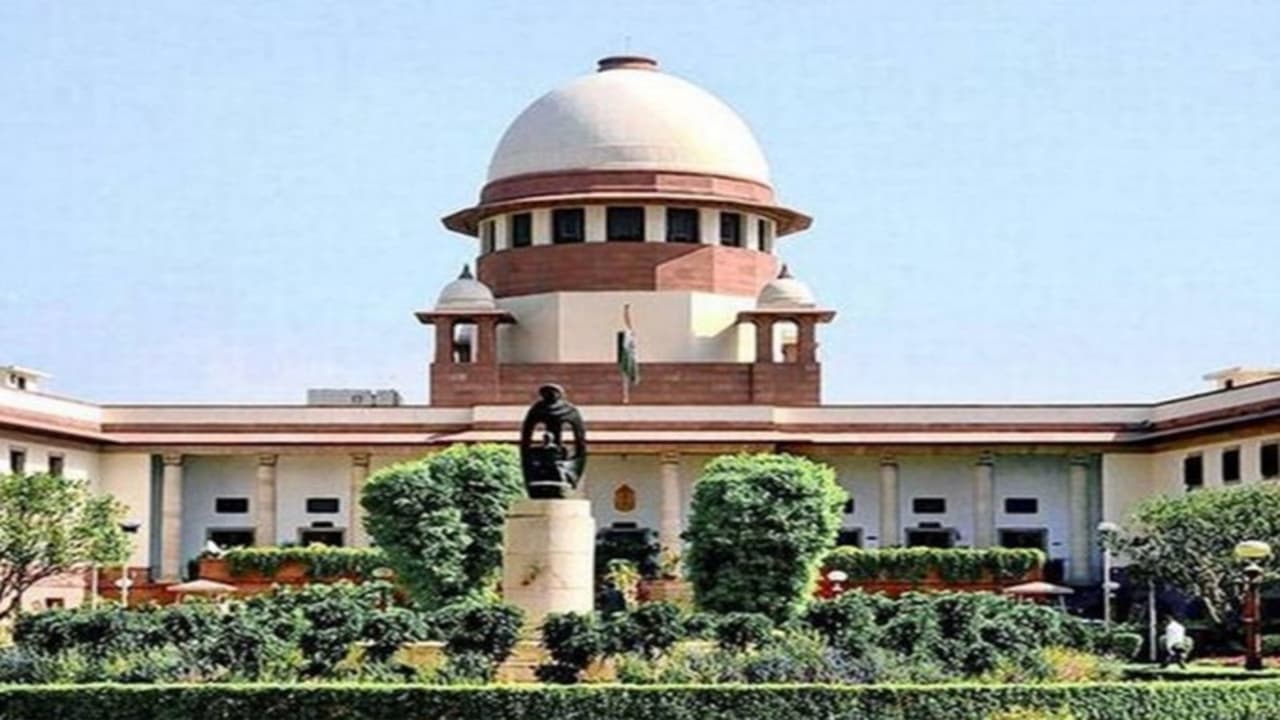
The biggest change is coming in NEET 2027! The Supreme Court will now examine the report of Nandan Nilekani Task Force. Will CBT, cyber security and new rules be able to stop paper leaks forever?
New Delhi: After the historic paper leak in NEET exam and nationwide public anger, the Supreme Court of the country has now taken a tough stand in this entire matter. During a very important hearing on Monday (July 27), the Supreme Court made it clear that it will closely examine the recommendations of the high-powered task force constituted by the government to change the entire structure of the NEET exam from 2027. This time, to make the examination secure, such ‘out-of-the-box’ and unprecedented solutions are being sought, which will blow the minds of the leaking mafias.
Nilekani’s Chakravyuh: Former ISRO Chairman and IB Director will take command
After the resignation of Education Minister Dharmendra Pradhan, Prime Minister Narendra Modi himself had announced the formation of this super-panel on July 26, 2026. In this task force led by the uncrowned king of technology Nandan Nilekani, such stalwarts of the country have been included, whose names even the security agencies are surprised to hear:
- Team of Giants: In this secret task force, Nilekani was accompanied by former ISRO chairman S. Somnath, former Intelligence Bureau (IB) director Tapan Deka, IIT Madras director V. Kamakoti, former education secretary Anita Karwal and logistics maestro Amrit Lal Meena.
Will the face of NEET change completely from 2027?
On Monday, Justice P.S. A bench of Justices Narasimha and Alok Aradhe said the transition from the traditional pen-and-paper examination to the Computer-Based Test (CBT) mode would not be easy. This will require “out-of-the-box” thinking and a strong cyber security framework. The Supreme Court said that it will wait for the Nilekani Task Force report and examine its recommendations in detail, so that incidents like paper leaks can be prevented in future.
Scroll to load tweet…
Hybrid model of Radhakrishnan Committee: What is the new plan to stop paper leaks?
The recommendations of the Radhakrishnan Committee are also behind this mega-reform, which had exposed the flaws in the examination system.
- Printing just before the exam: The committee has suggested a unique ‘hybrid examination model’, under which the question papers will be in a fully encrypted digital format and will be printed at local centers shortly before the commencement of the examination. This will reduce the risk of paper leaking midway.
- Overhaul of NTA: Apart from this, major changes have been recommended to bring transparency in the functioning of the National Testing Agency (NTA) and the entire process before the examination. The court itself is actively monitoring these reforms by seeking detailed affidavits from NTA and the Central Government.
Suspense of August 3, 2026: Supreme Court’s next step on RJD MP’s petition
This entire commotion took place in the Supreme Court during the hearing of the petition of RJD MP Sudhakar Singh, in which he had challenged the announcement of re-examination after the cancellation of NEET-UG examination on May 3.
- Black history of May 3: Let us inform you that the original NEET exam which was held on May 3, 2026, was canceled on May 12 after the confirmation of massive paper leak. After this, considering the future of more than 22 lakh students at stake, re-examination was announced. At present CBI is investigating this case by detaining 13 people.
- Next hearing next Monday: The court has now listed this petition of Sudhakar Singh for next Monday, 3rd August. On June 1, the court had hastily rejected the demand for re-examination in CBT mode, but now all eyes are on the Nilekani Committee report.
Multiple phase test? Shocking suggestion of parliamentary committee
- The suspense is not limited to CBT mode only. The parliamentary committee reviewing this matter has given a suggestion that can change the method of examination for medical candidates across the country.
- Different streams, different exams: The committee has suggested that to reduce the logistical challenges, NEET should be conducted in multiple phases and, if possible, separate entrance examinations should be conducted for different medical streams. However, for this, the biggest challenge will be to create a very strong digital infrastructure in the country.
- The future of 22 lakh students, the credibility of the country’s most prestigious examination and the huge pressure from the opposition – amidst all this, the next hearing to be held on August 3 can mark the beginning of a new era in the country’s education system.
Will the face of NEET change completely from 2027?
On Monday, Justice P.S. A bench of Justices Narasimha and Alok Aradhe said the transition from the traditional pen-and-paper examination to the Computer-Based Test (CBT) mode would not be easy. This will require “out-of-the-box” thinking and a strong cyber security framework. The Supreme Court said that it will wait for the Nilekani Task Force report and examine its recommendations in detail, so that incidents like paper leaks can be prevented in future.
What is the new plan to stop paper leaks?
Many important reforms have been suggested in the Radhakrishnan Committee report. The most important of these is the hybrid examination model, under which question papers will be digitally encrypted and printed locally just before the commencement of the examination. This has been claimed to significantly reduce the chances of question paper being leaked. The committee has also recommended improving the functioning of NTA, strengthening monitoring of examination centres, enhancing digital security and making the examination process more transparent.