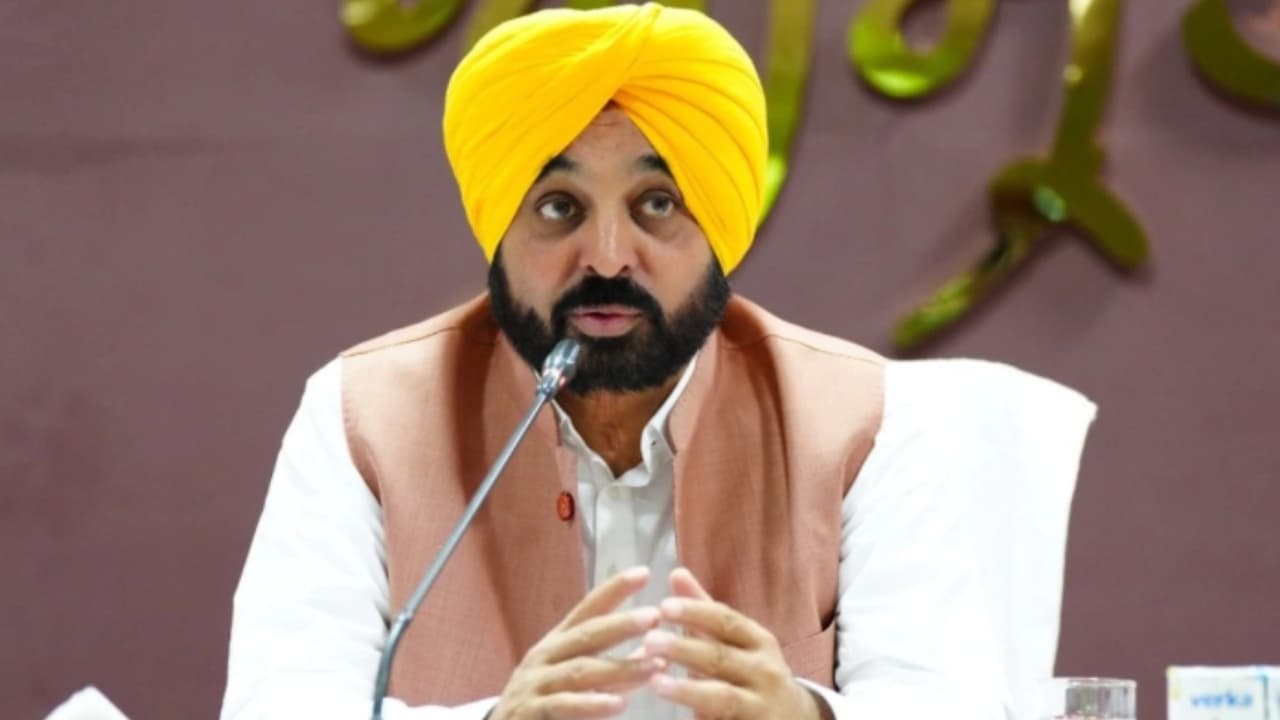
3.5 lakh government employees and more than 4 lakh pensioners of Punjab have still not received the revised Dearness Allowance (DA). Even after the High Court’s decision, the government did not implement DA. Know the whole matter, the demands of the employees and the challenge of the government.
Inflation is continuously increasing, but lakhs of government employees and pensioners of Punjab are still waiting for the revised Dearness Allowance (DA). Despite persistent demands from employee organizations, favorable court decisions and long-running legal process, the state government has not yet implemented the pending DA. Due to this, the expectations of about 7.5 lakh employees and pensioners are still unfulfilled.
Impact on more than 7.5 lakh employees and pensioners
According to reports, the 2026 decision of the Punjab and Haryana High Court was likely to provide relief to about 3.5 lakh regular government employees and more than 4 lakh pensioners of the state. However, even after the decision, the revised DA was not implemented.
Interestingly, Indian Administrative Service (IAS) and Indian Police Service (IPS) officers working in Punjab are getting the revised DA as per the Central Government under the All India Services rules, while the state government employees are still dependent on the old DA.
Financial pressure on employees increased in times of inflation
Dearness allowance is not just a part of the salary, but is considered an important means of providing relief from rising inflation. For employees, this amount helps in balancing children’s education, home EMI, treatment of elderly, ration and other important expenses.
Employee organizations say that the objective of DA is to reduce the impact of inflation. If its payment continues to be postponed, it has a direct impact on the real income of employees and pensioners. Amid rising prices, there is additional pressure on the household budget every month.
Pressure increased on the government, financial situation became a challenge
Employee organizations allege that the state government is continuously deferring the statutory rights of the employees citing financial pressure. At the same time, the government faces the challenge of striking a balance between financial management and the interests of the employees.
Now this matter is not limited to just pending dearness allowance, but has become a big issue related to good governance and employees’ rights. The eyes of employee organizations are now fixed on the next decision of the government. If a solution is not found soon, the possibility of intensification of both the movement and the legal battle cannot be ruled out.