A group of 117 Indian and Pakistani citizens, including activists and intellectuals, has co-authored an open letter to their Prime Ministers, urging an immediate restoration of diplomatic dialogue, trade, and communication to bridge the trust deficit.
In a major civil society push to bridge the deep diplomatic chasm between New Delhi and Islamabad, a coalition of 117 prominent citizens from both sides of the border have jointly issued an open letter to the Prime Ministers of India and Pakistan, urging them to immediately restore peace, normalcy, and bilateral communication. The group, which consists of 61 Indians and 56 Pakistanis, includes social activists, intellectuals, and public figures who believe that the current prolonged freeze in diplomatic ties is unsustainable.
Call for High-Level Engagement
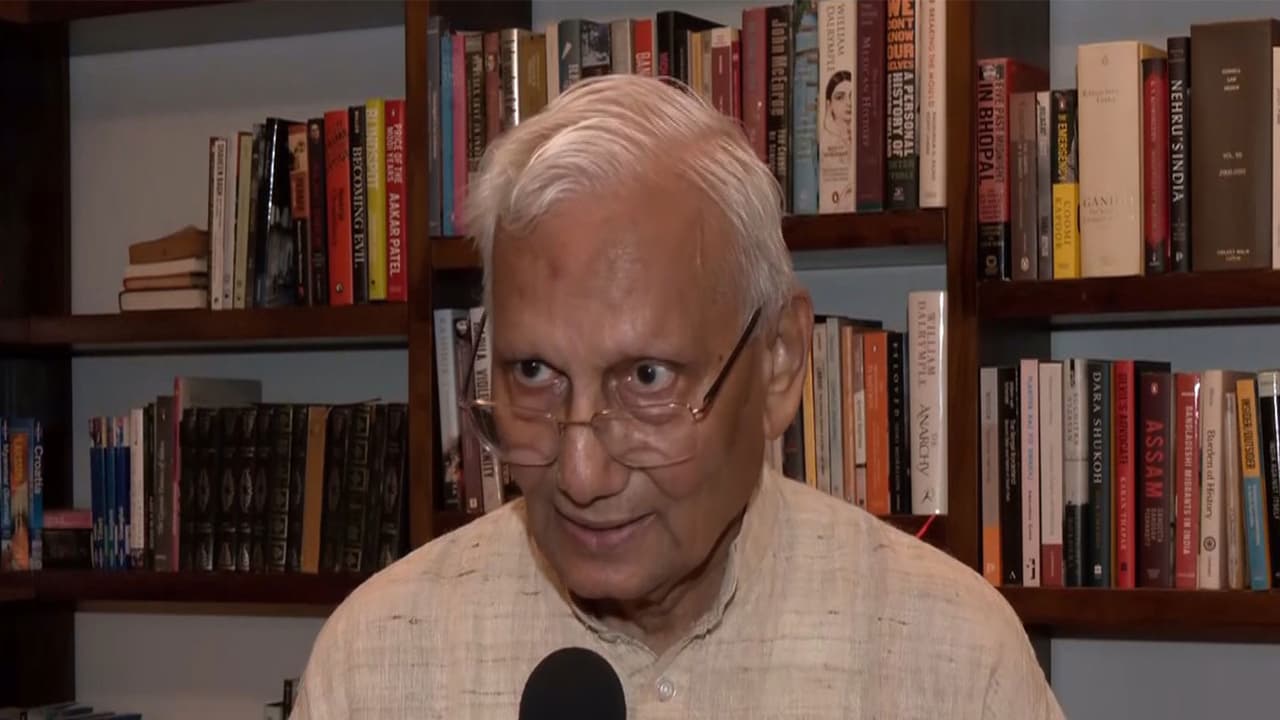
Speaking on the initiative, a social activist and one of the core signatories of the letter, Om Prakash Shah, highlighted that the primary objective of the campaign is to break the ongoing political deadlock by addressing the psychological barriers between the two nations. “I, with a group of 117 people, comprising 61 Indians and 56 Pakistanis, have jointly written a letter. It is an open letter addressed to the Prime Ministers of India and Pakistan. The core request is for them to engage in dialogue, normalise relations, and resume trade and communication… Currently, there is a trust deficit between us,” he said.
Om Prakash Shah emphasised that high-level engagement is the only viable mechanism to de-escalate tensions and iron out historical grievances. “That is why the Prime Minister of Pakistan and the Prime Minister of India must talk to each other and hold discussions regarding the state of our relationship,” the signatory stated.
“Whatever differences exist should be resolved through dialogue. That is the purpose.”
Roadmap for De-escalation
The petition outlines a clear roadmap for de-escalating the cross-border chill, focusing heavily on mutual economic and human benefits: Reopening commercial channels to benefit local economies on both sides; Re-establishing robust lines of communication and diplomatic interaction to prevent miscalculations and a collective realisation that military escalation yields no winners.
The Perils of War and Shared Responsibility
“The time has come to realise that war is not the solution; war benefits no one,” the activist concluded, echoing a sentiment that civil society hopes will resonate within the highest corridors of power in both New Delhi and Islamabad.
Drawing parallels from the Indian epics, Shah said, “Lord Rama sent Angada when the armies were standing, saying, ‘Go and talk; if they release Sita with respect, we will all go back.’ Lord Krishna did the same; he went as a peace messenger and said, ‘Give five villages.’ He knew what the consequences would be if war broke out. Rama said, when the war ended and they won, ‘What happiness will this victory bring? So many people were lost, and civilisations were destroyed.’ Civilisations perish when war takes place.”
Referring to the shared responsibility of both countries as nuclear-armed neighbours, he added, “So, because of all this fear, what often happens between us should not happen. There is always a fear that we are both nuclear nations, so our relations must be good, which is also in our interest. It will improve our trade and benefit both sides. This letter was written in that context. It is a request.” (ANI)
(Except for the headline, this story has not been edited by Asianet Newsable English staff and is published from a syndicated feed.)