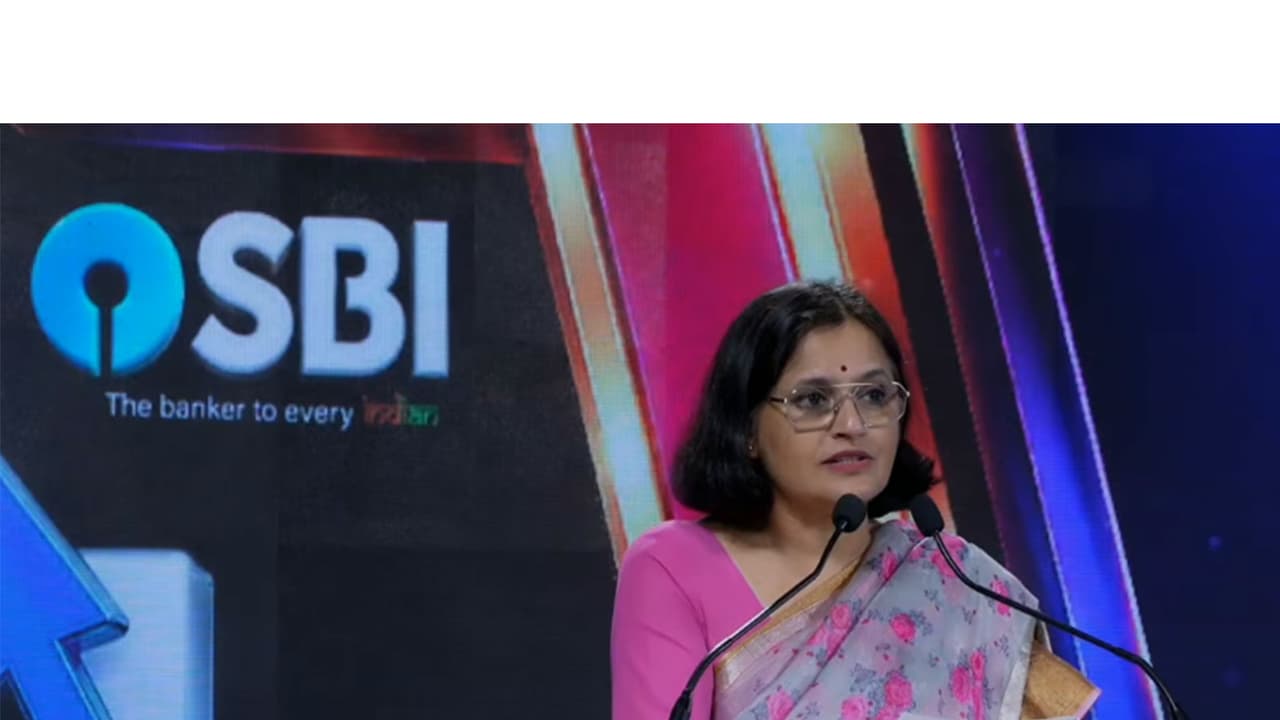
DEA Secretary Anuradha Thakur said India has moved from seeking representation to shaping global economic agendas, citing its growing economic strength, increased GDP, poverty reduction, and a greater role in global discussions on finance and development.
India’s Transition to a Global Agenda-Setter
India has moved from seeking greater representation in global economic institutions to playing a larger role in shaping global economic agendas, Department of Economic Affairs Secretary Anuradha Thakur said on Thursday.
Speaking at the 13th SBI Banking & Economics Conclave, Thakur said India’s growing economic strength and international engagement had increased its role in discussions on economic growth, development finance, digital public infrastructure and reforms in global financial institutions. “India’s trajectory in global economic governance can be seen as a transition from greater voice to greater shaping of global agendas,” she said.
Robust Economic Performance and Stability
Highlighting India’s economic performance, Thakur said the country’s GDP had increased from USD 2.5 trillion to USD 4.3 trillion in inflation-adjusted terms, marking a 77 per cent rise and the highest increase among the world’s 20 largest economies over the same period.
She also highlighted India’s efforts to maintain macroeconomic stability, including inflation management and a reduction in public debt. According to her, these measures have helped strengthen the country’s resilience amid global sovereign debt pressures.
On poverty reduction, Thakur said the share of people living in poverty had declined from 57.7 per cent to 16.1 per cent, while extreme poverty had fallen from 27.1 per cent to 2.6 per cent. She also pointed to the expansion of India’s financial system. Thakur said HDFC and State Bank of India rank among the world’s top 100 banks by asset size, while India’s equity and derivatives markets have reached global standards.
Strengthening Agriculture and Trade Engagement
On agriculture, she said India produced 357.73 million tonnes of foodgrains in 2024-25, while agricultural exports stood at USD 51 billion in FY25, growing at an annual rate of 8 per cent since 2020. Thakur said India had also strengthened its trade engagement, concluding nine free trade agreements covering 38 countries over the past five years.
European Union Trade Agreement
Referring to the trade agreement with the European Union, she said that once it comes into force, it would provide preferential access to more than 99 per cent of Indian exports. The agreement would also help move nearly USD 33 billion worth of labour-intensive exports, including textiles, leather, marine products and gems, from tariffs of up to 110 per cent to zero, she said.
Building Strategic Resilience
Thakur stressed the need to strengthen India’s “strategic resilience”, citing government initiatives in sectors such as semiconductors and critical minerals. She said these initiatives were aimed at building domestic capacity in emerging and strategically important sectors and reducing vulnerabilities arising from global uncertainties.
Future Outlook and Path to Global Leadership
“Today as nations navigate uncertainty and confront critical trade-offs, India has emerged as a stable economy that has the ability to withstand external headwinds,” Thakur said.
Looking ahead, she said India still had “pieces of the journey ahead”, including greater mobilisation of household savings through the financial system. “Global leadership is not simply a function of economic size,” Thakur said, adding that it is built when “institutions, markets, financial systems and the nation become sufficiently trusted that others choose to rely upon them.”
(Except for the headline, this story has not been edited by Asianet Newsable English staff and is published from a syndicated feed.)