A parliamentary panel reviewed India’s updated atomic energy strategy for its 2070 net-zero goal. The plan focuses on self-reliance by leveraging thorium and securing new fuel partnerships, including uranium from Australia, to meet energy demands.
Charting a path toward self-reliance in atomic energy forms the core of India’s updated strategy to meet its net-zero emissions deadline by 2070. The parliamentary panel examining the sector evaluated operational expansion plans alongside new international fuel partnerships to counter domestic supply constraints.
Panel Reviews Path to Self-Reliance
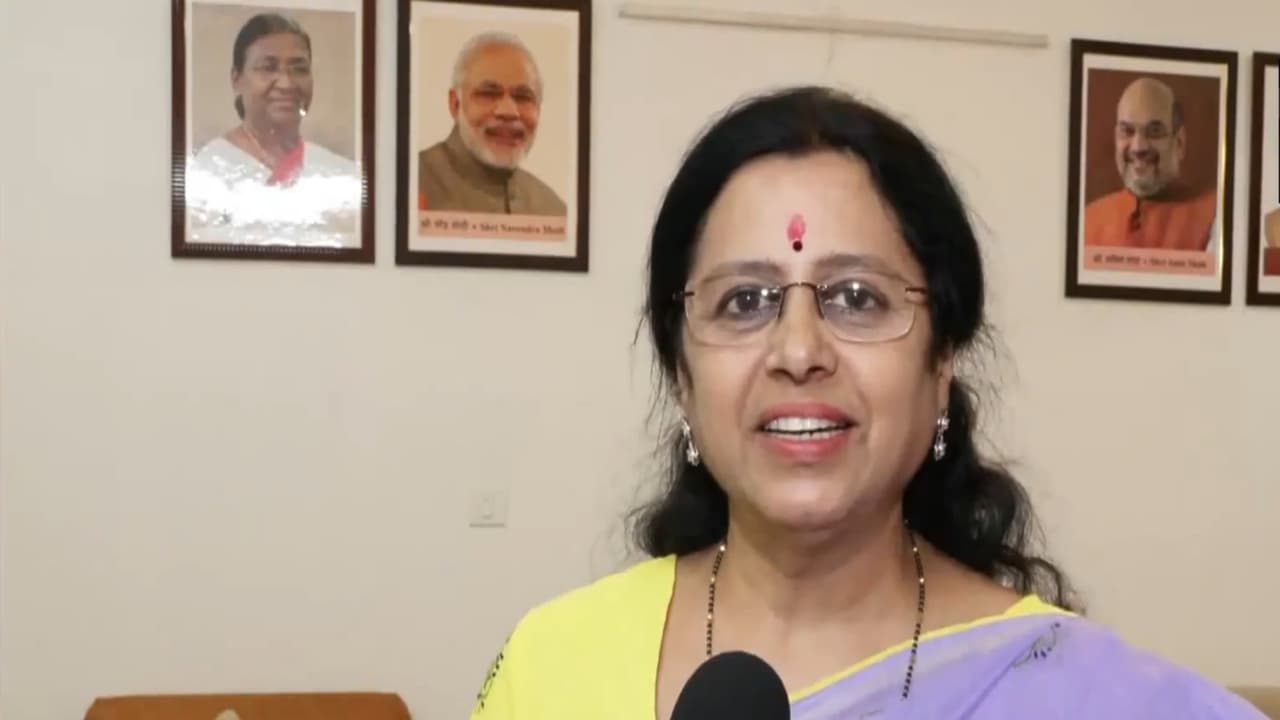
Speaking to ANI, the Chairperson of the Parliamentary Committee on Science and Technology, Environment, Forests and Climate Change, Medha Vishram Kulkarni, confirmed that the panel reviewed current nuclear operations and long-term capacity building. “Today, the Science and Technology Committee held a very productive meeting,” Kulkarni said. “Discussions focused on nuclear science, specifically atomic energy, covering India’s current work, the number of operational reactors, and future plans.”
Dual Strategy for Energy Security
According to the committee proceedings, the long-term strategy involves transitioning toward domestic mineral reserves to secure the energy grid, while relying on new bilateral import arrangements to meet immediate operational requirements.
Leveraging Thorium and Securing Uranium
“Discussions included strategies to boost nuclear energy alongside solar power, addressing uranium supply constraints by leveraging India’s thorium reserves, and charting a path toward self-reliance in atomic energy,” Kulkarni stated. She noted that the country is simultaneously scaling up diverse clean energy platforms to transition away from high-emission fuel sources.
“India has committed to achieving net-zero emissions by 2070,” Kulkarni said. “To address current challenges–such as fuel issues, availability constraints, and high carbon emissions–work is underway on multiple fronts, particularly expanding both solar and nuclear energy capacities.”
Boosting R&D and International Support
She mentioned that the committee highlighted the increased capital allocation toward domestic technical development is driving the sector, while incoming shipments from overseas partners will supplement the fuel matrix. “India is becoming self-reliant, spending heavily on research and development (R&D), investing significantly, and making great efforts,” Kulkarni said. “Doubts were cleared during the discussion. For the first time, Australia is going to fully support India, and we will also be receiving uranium from them.”
While specific statutory limits prevent the disclosure of data, the chairperson emphasized that the consultations established a clear roadmap for the department’s upcoming deployments.
“So, discussions took place on various distinct issues,” Kulkarni said. “However, the exact details cannot be disclosed as strict confidentiality is maintained within the committee. But it was a very productive discussion. Keeping the nation first, we received excellent information on what the department is doing, and there was a meaningful exchange of ideas.” (ANI)
(Except for the headline, this story has not been edited by Asianetnews Editorial staff and is published from a syndicated feed.)