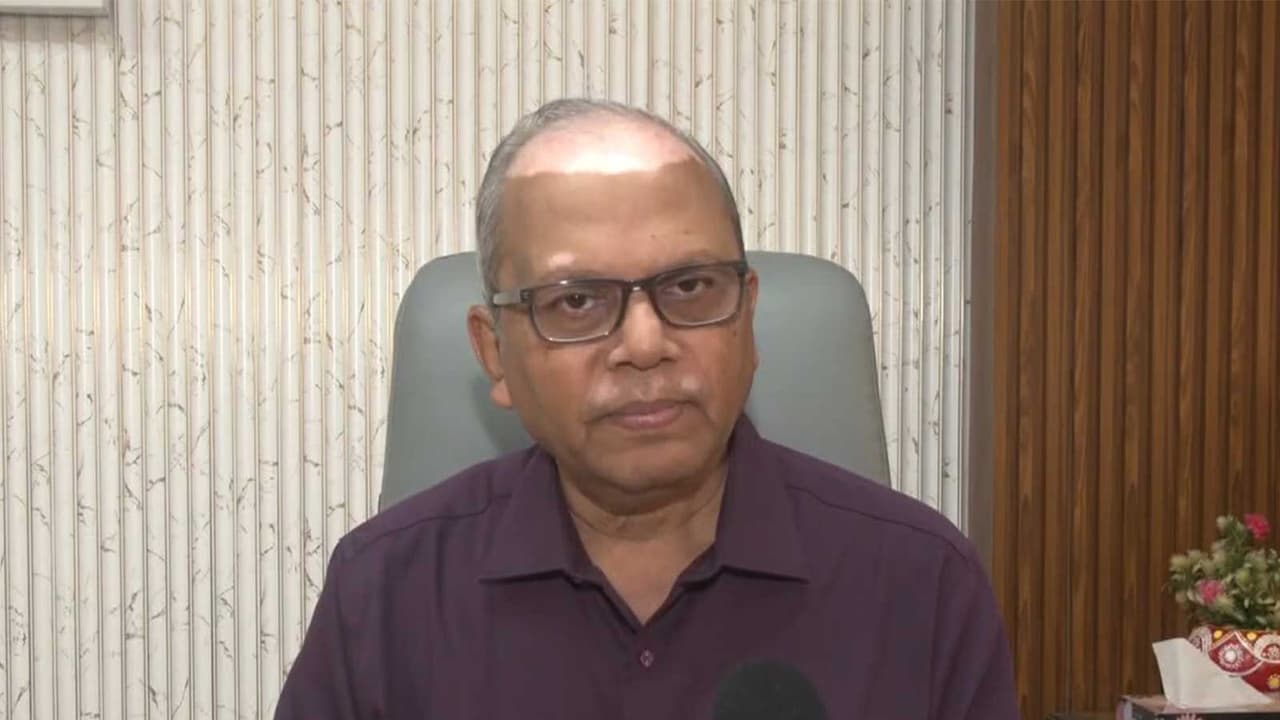
FAI Director General Suresh Kumar Chaudhari has called for policy reforms and higher private investment in the fertiliser sector to curb import dependence, highlighting the lack of investment over the last decade as a matter of concern.
India needs policy reforms and higher private investment in the fertiliser sector to reduce dependence on imported raw materials and intermediates, Fertiliser Association of India (FAI) Director General Suresh Kumar Chaudhari told ANI.
Call for Policy Reforms and Private Investment
In an exclusive interview with ANI on Thursday, Chaudhari expressed concern over the lack of private investment in the sector over the past decade. “In the last 10 years, not big investment… came from the private side in the fertiliser sector. That is the matter of worry,” he said.
He stressed the need for investor-friendly policies to encourage large-scale investments and support the government’s self-reliance agenda. “We should have very positive and friendly policies so that investors are able to invest largely in the fertiliser sector… Whatever raw material we have, we can use that raw material to manufacture good quality fertiliser,” he said.
Reducing Import Dependence
Responding to a question on reducing import dependence, Chaudhari said India requires short-, medium- and long-term policy interventions. “On a short-term basis, we need to bring policy reforms which will encourage domestic production and domestic availability,” he said.
He noted that even though India has domestic manufacturing capacity for nitrogen and phosphorus fertilisers, it still relies on imported raw materials and intermediates. “For nitrogen we are dependent on raw materials, intermediates and gas from other parts of the world,” he said.
Ensuring Quality and Soil Health
Chaudhari said policies should support domestic production wherever feasible and ensure that fertilisers manufactured in India remain globally competitive and do not adversely affect soil health. “When I say quality, certainly we have to be competitive with the global products… At the same time, the products should not impact the soil health adversely,” he said.
Focus on Sustainable Farming and Bio-Fertilisers
He also highlighted the growing focus on sustainable farming practices and bio-fertilisers. “The Government of India has brought Mission Natural Farming. Investment in conservation agriculture and regenerative agriculture is increasing day by day. Bio-fertiliser is yet another important candidate which can be embraced,” he said.
Chaudhari proposed expanding bio-fertiliser production to the panchayat level, saying it could significantly reduce dependence on conventional chemical fertilisers. “If we are able to target panchayat-level production of bio-fertilisers, it will bring a revolution in the fertiliser sector,” he said, adding that replacing even 20-35 per cent of conventional fertilisers with bio-fertilisers could improve soil health and benefit farmers.
Challenges to Complete Self-Reliance
However, he said complete self-reliance in fertilisers may not be achievable because India will continue to depend on imported raw materials and gases that are not available domestically. “Making India’s fertiliser sector completely Atmanirbhar may not be possible because our dependence on raw materials, intermediates, acids and gases will remain,” he said.
Future Solutions: Green Ammonia and Hydrogen
Looking ahead, Chaudhari identified green ammonia and green hydrogen as promising long-term solutions for the fertiliser sector, though their wider adoption would depend on technological and economic viability and production at scale. (ANI)
(Except for the headline, this story has not been edited by Asianet Newsable English staff and is published from a syndicated feed.)