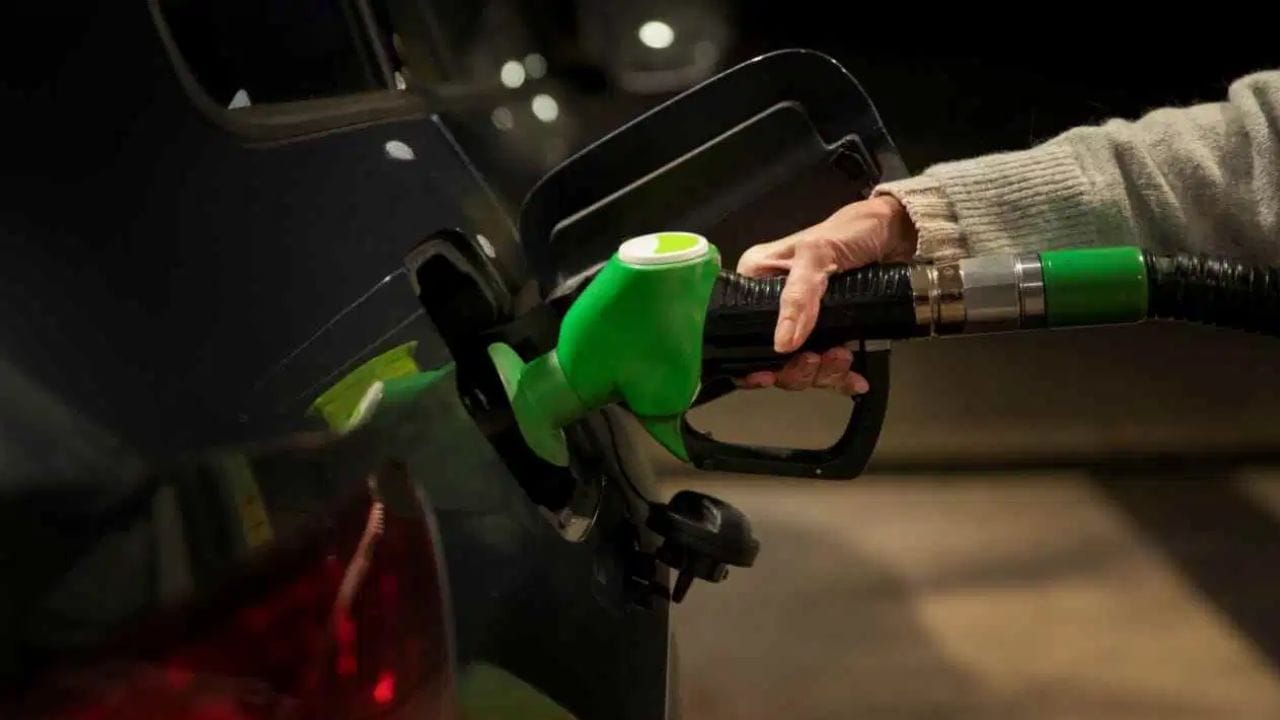
E20 petrol
If you have a car purchased before April 2023 and you are filling it with new E20 petrol, then this news is directly related to your pocket. In fact, ICICI Lombard, one of the largest private general insurance companies in the country, has recently said something shocking in one of its blogs. According to a report in Mint, the company warned that insurance claims for engine damage caused by the use of E20 (petrol mixed with 20% ethanol) in old and non-compatible cars may be rejected. The insurance company may consider this as ‘improper use’ or ‘negligence’. However, after the news came in the media, the company has removed this part from its blog, but this revelation has increased the concern of millions of car owners who have old vehicles that do not support high-ethanol petrol.
Why are old car engines in danger?
The Indian automobile industry started selling E20-compatible (E20 petrol) vehicles from April 2023. This means that most of the vehicles currently running on the roads of the country are not made according to high-ethanol blend petrol. Today the supply of E20 petrol is almost complete in the entire country. It has now become difficult to find non-Ethanol or E10 petrol at petrol pumps.
Ethanol is good for the environment, but its behavior is slightly different in the engines of old cars. According to ICICI Lombard, ethanol is corrosive by nature. In vehicles whose engines are not designed for this, it can slowly melt rubber seals, fuel lines and vital engine parts. This loss does not happen in a day, but keeps increasing internally. Ethanol also has less energy than petrol, which has a minor impact on mileage. Since the damage happens gradually, it is difficult to detect it and this becomes a cause of dispute at the time of claim.
The twists and turns of insurance policy rules
Last year, the government had made it clear that using E20 petrol will not cancel your insurance policy. But, this does not mean at all that you will get a claim if the engine breaks down. ‘Consequential damage’ (losses occurring gradually over time) is not covered in the standard policies of insurance companies.
If you are thinking that if you have taken ‘Engine Protection Add-on’ then you are safe, then there is a big catch here too. These add-ons are designed primarily for situations such as water ingress or oil leakage, not for chemical reactions or corrosion caused by the fuel. In such a situation, if your car is not E20 compatible, then the insurance company as well as the car manufacturer can reject the warranty claim.
You have only one option ‘expensive petrol’
To avoid this whole problem, ICICI Lombard had suggested the use of premium grade petrol (like XP95), which has less ethanol content. This is considered safe for older engines, although it is not a complete solution and is quite heavy on the pocket.
On the other hand, the central government is continuously promoting ethanol-blended fuel. Amidst the increase in petrol and diesel prices by ₹ 7.5 per liter following tensions in West Asia, the government has completely removed excise duty on high-ethanol blended petrol like E22, E25, E27 to E30 to divert consumers towards ethanol. In such a situation, old vehicle owners are now faced with a big challenge of striking a balance between the safety of their car’s engine and the petrol budget.