High Blood Pressure is a common health condition that can go unnoticed for years because it often causes no obvious symptoms. Many people continue with their usual routines without realising that uncontrolled blood pressure can gradually damage blood vessels and increase the risk of heart disease, stroke and kidney problems. Everyday habits, including eating too much salt, skipping prescribed medication and avoiding regular check-ups, can make blood pressure more difficult to manage.
The good news is that appropriate treatment and sustainable lifestyle changes can help control hypertension. Knowing which habits to avoid is an important part of protecting long-term health. Here are six common mistakes people with high blood pressure should watch out for, along with practical steps that may help.
1. Eating too much salt
A high-sodium diet can contribute to raised blood pressure, particularly in people who are sensitive to salt. The problem is not limited to the salt added during cooking. Packaged snacks, pickles, papad, instant noodles, processed meats and ready-made sauces can also contain substantial amounts of sodium.
The World Health Organization recommends that adults consume less than 2,000 milligrams of sodium per day, equivalent to less than five grams of salt from all sources. This includes sodium already present in packaged foods, not just the salt sprinkled over meals.
Try checking nutrition labels, choosing fresh ingredients more often and reducing the amount of salt used during cooking. Herbs, spices, garlic and lemon can add flavour without requiring extra salt. People with high blood pressure should also be cautious with salt substitutes containing potassium, especially if they have kidney disease or take certain medications.
2. Stopping medication without medical advice
Some people stop taking their blood pressure medicine once their readings return to a normal range. However, controlled readings may mean that the treatment is working rather than that the condition has disappeared.
Stopping medication suddenly, reducing the dose or changing the schedule without guidance can allow blood pressure to rise again. Some medicines also require careful adjustment rather than abrupt discontinuation.
If you experience side effects, feel that your medication is not working or have concerns about taking it long term, speak with your doctor. A healthcare professional can review your treatment and consider alternatives if necessary. Never change a prescribed dose on your own.
3. Ignoring regular blood pressure checks
High blood pressure cannot be reliably identified by how a person feels. Headaches or dizziness may occur for many reasons, while someone with significantly raised blood pressure may feel perfectly well. Waiting for symptoms before checking your readings can therefore delay treatment.
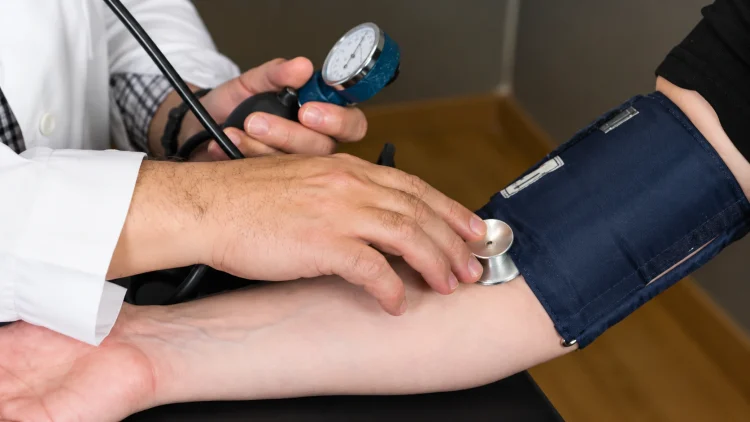
If your doctor recommends home monitoring, use a validated blood pressure monitor and record your readings. Before measuring, sit quietly for around five minutes, keep your back supported and place your feet flat on the floor. Rest your arm at heart level and follow the monitor’s instructions.
Keeping a record can help your healthcare professional understand how your blood pressure changes over time and whether your treatment needs review.
4. Avoiding physical activity
Long periods of sitting and a lack of regular exercise can make blood pressure management more difficult. Physical activity supports heart health, helps maintain a healthy weight and can contribute to better blood pressure control.
For most adults, a useful goal is at least 150 minutes of moderate-intensity aerobic activity each week. Brisk walking, cycling, swimming and similar activities are possible options. Start at a manageable level and increase activity gradually if you have been inactive.
If you have heart disease, significant mobility limitations or symptoms during exercise, ask your healthcare professional what level of activity is suitable for you.
5. Neglecting sleep and stress management
Ongoing stress and poor sleep can affect overall health and make hypertension harder to manage. Sleep disorders, including sleep apnoea, are also associated with high blood pressure and may require specific treatment.
Try to maintain a consistent sleep schedule and create a relaxing routine before bedtime. Walking, meditation and slow breathing exercises may help some people manage everyday stress. If sleep problems persist, or you regularly wake up gasping or feel unusually sleepy during the day, seek medical advice.
Relaxation techniques can support treatment, but they should not replace prescribed medication or blood pressure monitoring.
6. Taking painkillers or supplements without checking
Certain medicines can raise blood pressure or interfere with hypertension treatment. These may include some non-steroidal anti-inflammatory painkillers, certain cold and flu remedies and particular herbal products or supplements.
Before starting a new over-the-counter medicine, herbal preparation or supplement, ask a doctor or pharmacist whether it is appropriate for you. Products described as natural are not automatically safe, and some may interact with prescription medicines.
What if blood pressure becomes dangerously high?
If your reading is above 180/120 mmHg, wait at least one minute and measure it again. If it remains that high, contact a healthcare professional immediately for urgent guidance. If the high reading is accompanied by chest pain, difficulty breathing, weakness, changes in vision or difficulty speaking, seek emergency medical help.
Do not take extra medication to lower your blood pressure unless a healthcare professional has specifically instructed you to do so. Consistent treatment, regular checks and healthy daily habits remain central to managing hypertension and reducing the risk of serious complications.