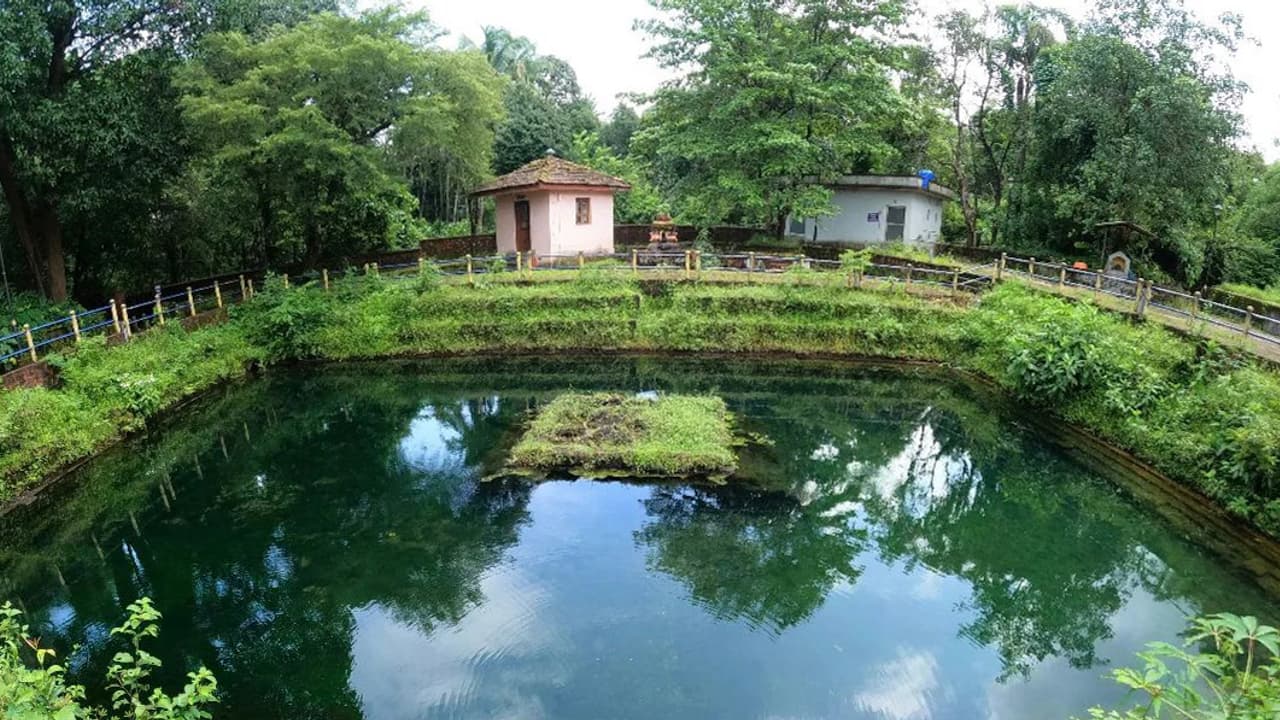
Budbudyanchi Tali in South Goa’s Netravali is a mysterious 400-year-old lake that bubbles when you clap. Known as the ‘clapping lake’, this hidden gem fascinates visitors with its unique response to sound, blending science, folklore, and natural beauty.
Tucked away in the quiet village of Netravali in South Goa’s Sanguem taluka lies a fascinating natural wonder that continues to surprise visitors. Known locally as Budbudyanchi Tali, which translates to “Lake of Bubbles”, this centuries-old freshwater tank is believed to be over 400 years old. What makes it truly unique is its unusual response to sound. Clap your hands or raise your voice, and the calm surface suddenly comes alive with ripples and bubbles, creating an experience that feels both magical and intriguing.
A Lake That Reacts To Sound
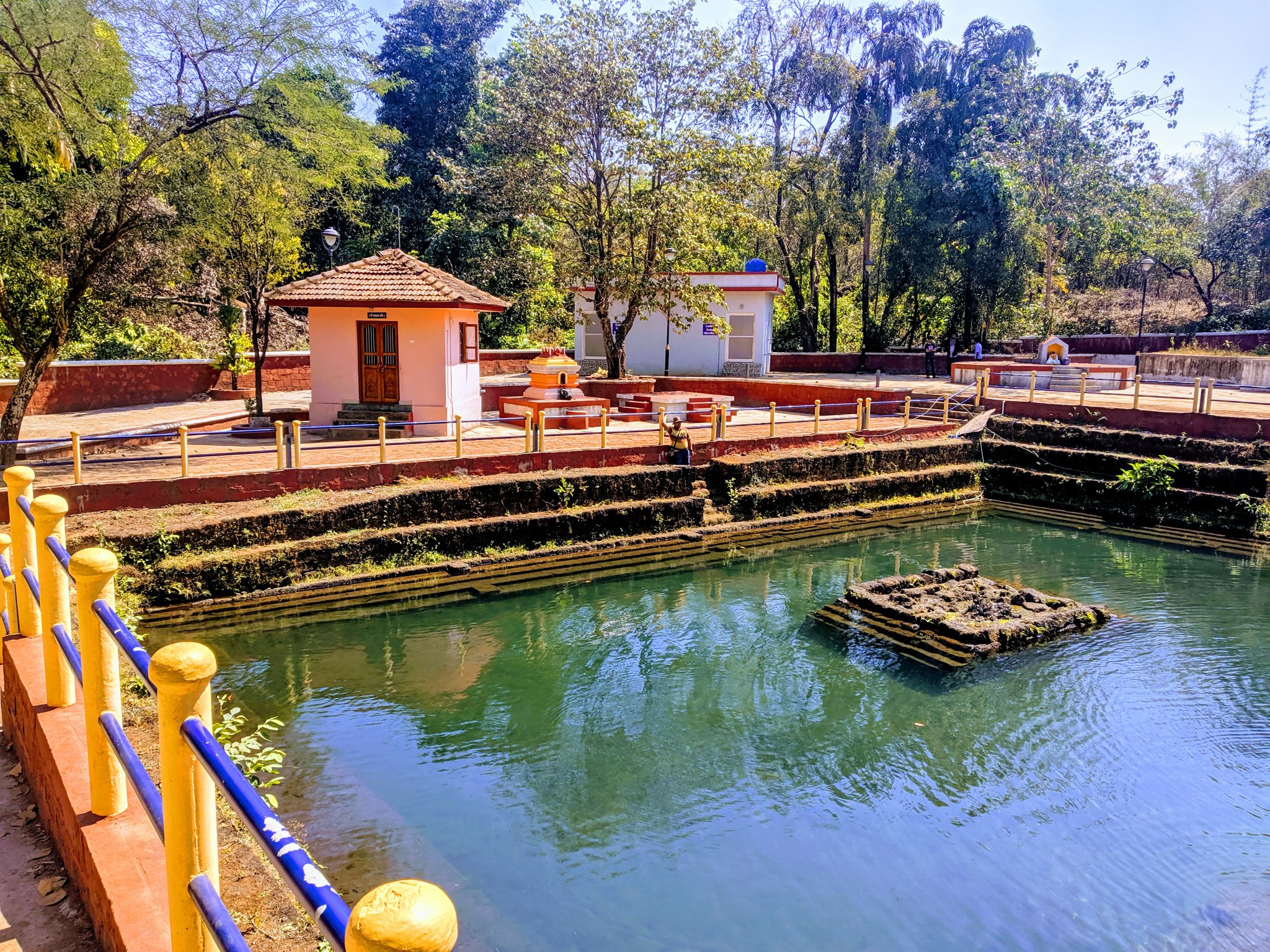
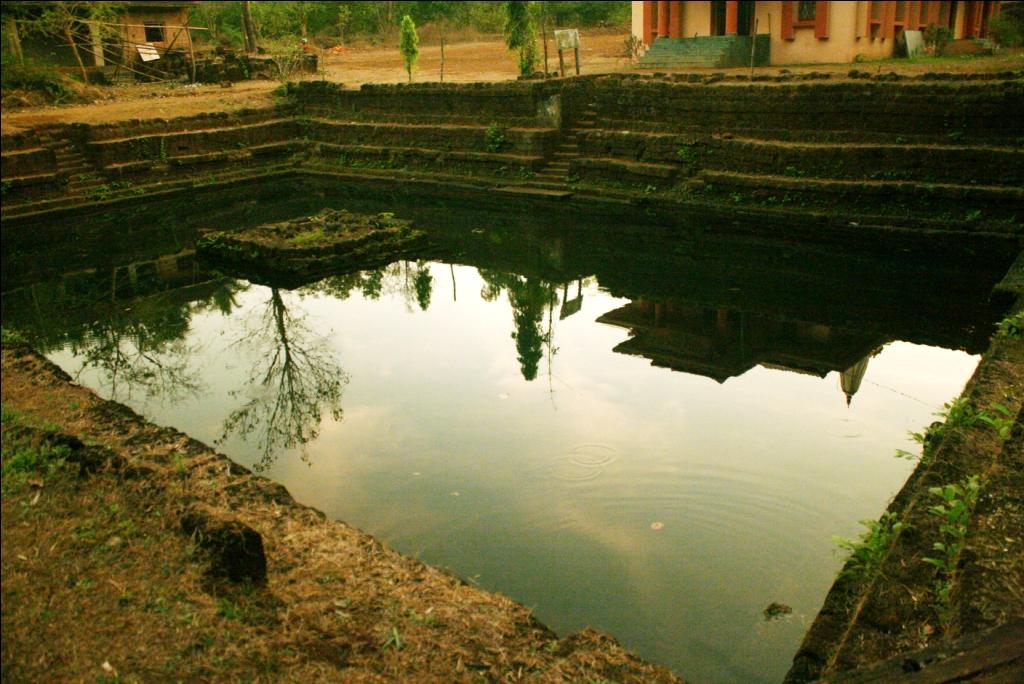
At first glance, the lake resembles a traditional stepwell, with laterite stone walls, neatly carved granite steps, and a central platform. Surrounded by lush greenery and spice plantations, the setting is calm and picturesque. However, the real intrigue begins when sound enters the scene. A simple clap triggers visible movement in the water, with bubbles rising rapidly to the surface. The stronger the sound, the more active the bubbling appears, as though the lake is reacting in real time.
Locals and visitors alike often find themselves clapping repeatedly, fascinated by the lake’s unusual behaviour. For children in the area, it has long been a playful spot, while travellers discovering it for the first time are left amazed by its response.
Local Experiences And Reactions
Many who have visited Budbudyanchi Tali describe it as unforgettable. Interestingly, not all locals are familiar with this attraction. Some residents have admitted discovering it only later in life, despite living nearby for decades. This adds to the lake’s charm as a relatively lesser-known destination in Goa.
Science Or Belief?
The phenomenon has drawn both scientific curiosity and local folklore. Experts suggest that gases such as carbon dioxide or sulphur dioxide may be trapped beneath the lake bed. Vibrations caused by sound waves may disturb these gas pockets, resulting in bubbles rising to the surface. Methane, which is commonly found in similar cases, is unlikely here due to the presence of fish in the water.
On the other hand, local beliefs offer more spiritual explanations. Some villagers believe a deity resides beneath the lake, responding to claps and sounds. Others associate it with Lord Krishna, given the proximity of the Gopinath Temple. For many, the mystery adds to the lake’s appeal, making it more enjoyable without a definitive explanation.
Historical And Cultural Significance
Budbudyanchi Tali is not just a natural curiosity but also part of Goa’s rich cultural heritage. The nearby Gopinath Temple, dedicated to Lord Krishna, is believed to date back several centuries. Architectural elements suggest links to the Shilahara and Kadamba dynasties, with later contributions attributed to King Jayakeshi I.
Behind the temple, rock-cut Shivlings indicate that the site has been sacred for a long time. The temple’s simple design is often compared to the well-known Tambdi Surla shrine. The original idol from the temple is now preserved at the Goa State Museum as a valuable cultural artefact.
A Quiet Escape Away From Crowds
Unlike Goa’s busy beaches and nightlife hubs, this location offers a peaceful retreat. Although access has improved in recent years with better roads, seating, and basic facilities, the area has managed to retain its calm atmosphere. Visitors often find themselves enjoying the place without large crowds, making it ideal for those seeking a quieter side of Goa.
A Unique Natural Spa Experience
Adding to its charm, the lake is also home to small fish that provide a natural pedicure experience. Visitors who dip their feet into the water may feel gentle nibbling sensations as the fish feed on dead skin. While it may feel ticklish at first, many describe it as surprisingly relaxing.
How To Reach Budbudyanchi Tali?
By Air: The nearest airport is Dabolim Airport, located about 70 km away. From there, taxis or rental vehicles are available to reach Netravali.
By Rail: The closest railway stations are Madgaon (Margao) and Canacona, both well connected to major cities.
By Road: Netravali is accessible by road from Margao, which is approximately 45 km away. Private taxis, self drive cars, and local buses can be used, although the final stretch may involve rural roads.
Nearest Landmark: The lake is located close to the Gopinath Temple in Netravali village.
Best Time To Visit
The ideal time to visit is between October and March, when the weather is pleasant and the surroundings are lush after the monsoon. Early mornings or late afternoons are recommended for a peaceful experience.
Travel, Tips
- Maintain silence and avoid littering to preserve the natural environment
- Wear comfortable footwear, as the terrain can be uneven
- Carry water and essentials, as facilities are limited nearby
- Respect local beliefs and temple surroundings
Budbudyanchi Tali remains one of Goa’s most intriguing hidden gems. Whether viewed through the lens of science or spirituality, its ability to respond to sound continues to captivate visitors, offering a rare blend of mystery, history, and natural beauty.