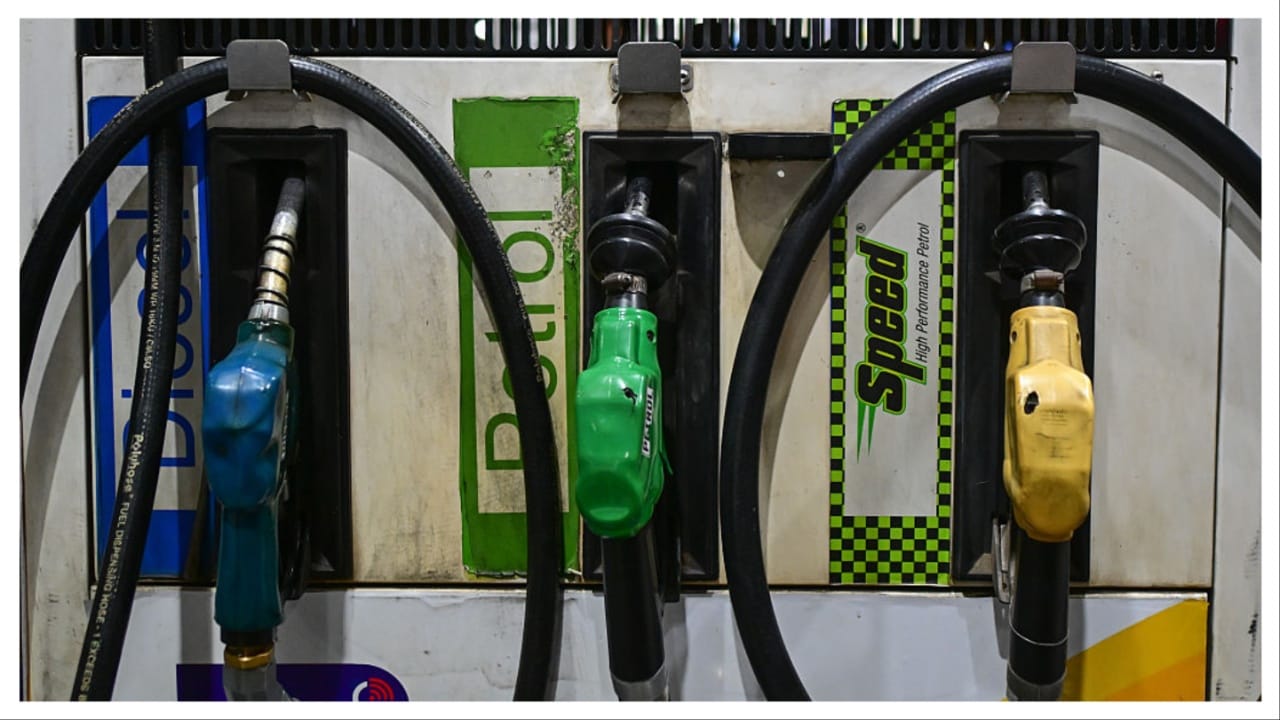
New Delhi: Fuel and LPG cylinder prices are likely to go up soon as the government is actively reviewing the situation. The surge is being linked to an increase in global crude oil prices amid escalating tensions in West Asia, which has made energy markets unstable and more expensive.
According to sources, petrol and diesel prices may increase by around Rs 4-5 per litre. At the same time, domestic LPG cylinders could see a hike of roughly Rs 40-50. If this happens, it will be the first revision in petrol and diesel prices in nearly four years, as rates have largely remained unchanged since 2022.
Interestingly, the government had earlier indicated that no immediate price hike would follow the end of the recent assembly elections. However, the sharp jump in crude oil prices seems to have forced a rethink.
Why prices are under pressure
The main reason behind this is the possible hike in the rising cost of crude oil in the global market. The ongoing conflict in West Asia has also created fears of supply disruptions and shipping risks. This uncertainty has pushed oil prices higher over the past few weeks.
With fuel prices in India not changing much, oil marketing companies have been absorbing the extra cost. This has led to financial strain and what is known as under-recoveries. The higher crude prices are also increasing pressure on government finances, making it harder to offer relief through subsidies or tax cuts.
When will the prices increase?
As per the officials, the government is closely watching the situation before taking a final call and a decision on whether to increase prices is likely within the next 5-7 days.
The discussions are still ongoing, and different options are being considered, including how much to increase prices and when to do it. The focus is on finding a balance between helping oil companies recover losses and avoiding a sharp rise in inflation.
Impact on daily life
Any increase in fuel and LPG prices will directly affect household expenses. Transport costs may rise, which can also push up prices of essential goods and given the current global uncertainty, this is not an easy decision. The government appears to be moving carefully, knowing that even a small change in fuel prices can have a wide impact on everyday life.