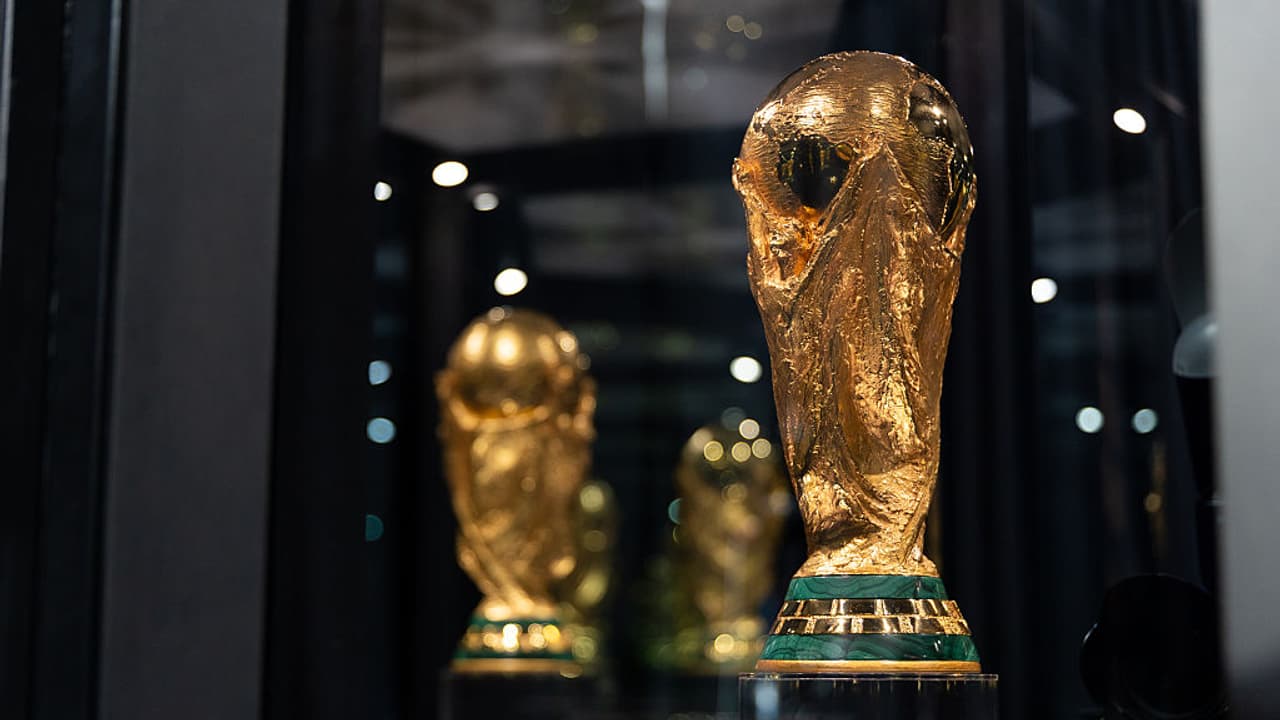
The FIFA 2026 World Cup, the biggest ever with 48 teams, features four debut nations, including Cabo Verde and Jordan. With nearly 900 new players joining veterans like Messi and Ronaldo, the tournament blends experience with fresh talent, promising historic firsts.
There is a moment in football that never gets old. It happens before the anthems, before the coin toss, sometimes even before the warm-up. A player steps into a stadium they have only ever seen on television, looks up at the stands filling around them, and for just a second, forgets to be professional about it.
That moment is coming for players from Cabo Verde, Curaçao, Jordan, and Uzbekistan. Four nations. Four World Cup debuts. And if you need one reason to care about FIFA 2026, that is probably enough.
This is not the World Cup any of us grew up watching. Forty-eight teams instead of thirty-two. One hundred and four games spread across twelve cities in three countries. Canada, Mexico, and the United States will share hosting duties in what is, by almost every measure, the biggest sporting event in history. Whether bigger automatically means better is a question worth asking. But the early signs are hard to argue with.
Also Read: FIFA World Cup 2026: Ivory Coast Shocks France in Warm-Up, Spain Held to a Draw
Nearly 900 New Players at FIFA World Cup 2026
Start with the numbers, because they tell a story worth telling. Of the 1,248 players named in the final squads, 891 have never played at a World Cup before. That is not just a statistic. That is nearly three-quarters of the entire field walking into the unknown. Alongside them, 357 veterans who know exactly what is coming and have spent years trying to get back here.
The age range alone is extraordinary. Scotland’s Craig Gordon is 43 and still keeping goal at the highest level, which says something about the man that statistics probably cannot fully capture. At the other end, Mexico’s Gilberto Mora is 17 and presumably still getting used to being asked for his ID. Twenty-two players under 20 will feature at this tournament. Seven are over 40. At some point during the group stage, those two worlds will share a pitch.
Scroll to load tweet…
Some names need no introduction. Lionel Messi, Cristiano Ronaldo and Guillermo Ochoa will each appear at a sixth World Cup, a record that felt impossible not long ago and now sits quietly in the squad lists like it is the most natural thing in the world. They have been doing this long enough that their presence no longer surprises anyone. What it does do is remind you that careers like theirs do not come along often, and that whatever happens in the next few weeks, you are watching the end of something.
Rising Stars Set to Define the 2026 World Cup
Then there is the other end of the telescope. Warren Zaïre-Emery for France, Finn Surman for New Zealand, Bilal El Khannouss for Morocco. Names that most casual fans are still learning to spell, attached to players who could easily be the story of the tournament. That is the thing about a World Cup with this many teams and this many matches. The space for the unexpected gets larger.
The squad compositions reveal something genuine about how football has changed. Players have been drawn from 449 clubs across 71 countries. Qatar and Saudi Arabia have built squads almost entirely from their domestic leagues. Senegal, Uruguay, Cabo Verde and Curaçao have done the opposite, calling up players scattered across leagues on multiple continents. Neither approach is right or wrong. Both reflect where those nations are and how they have chosen to build.
Also Read: FIFA World Cup 2026: France Coach Deschamps Confirms William Saliba Fit As Mbappe Declared In Excellent Shape
Carlos Queiroz Makes World Cup History Again
On the sidelines, Carlos Queiroz takes charge of Ghana and becomes only the second manager in history to attend five consecutive World Cups. That is a career that has outlasted most of the players he once managed. There is something quietly remarkable about that, even if it will not make the highlight reels.
None of this guarantees a great tournament. Expanded formats can dilute as easily as they include. More games means more football, but not necessarily more memorable football. The history books are full of tournaments that promised much and delivered group stage stalemates.
Where History Is Made in Unexpected Ways
But here is the thing. Somewhere in the next few weeks, a player will score their country’s first-ever World Cup goal. A goalkeeper from a nation that has never been here before will make a save that their grandchildren will one day hear about. A manager nobody predicted will pull off a result nobody saw coming.
That is what a World Cup is. Not the trophy. Not the closing ceremony. The moments that sneak up on you when you are watching something else entirely.
FIFA 2026 is finally here – bigger and bolder. Let’s see what happens.