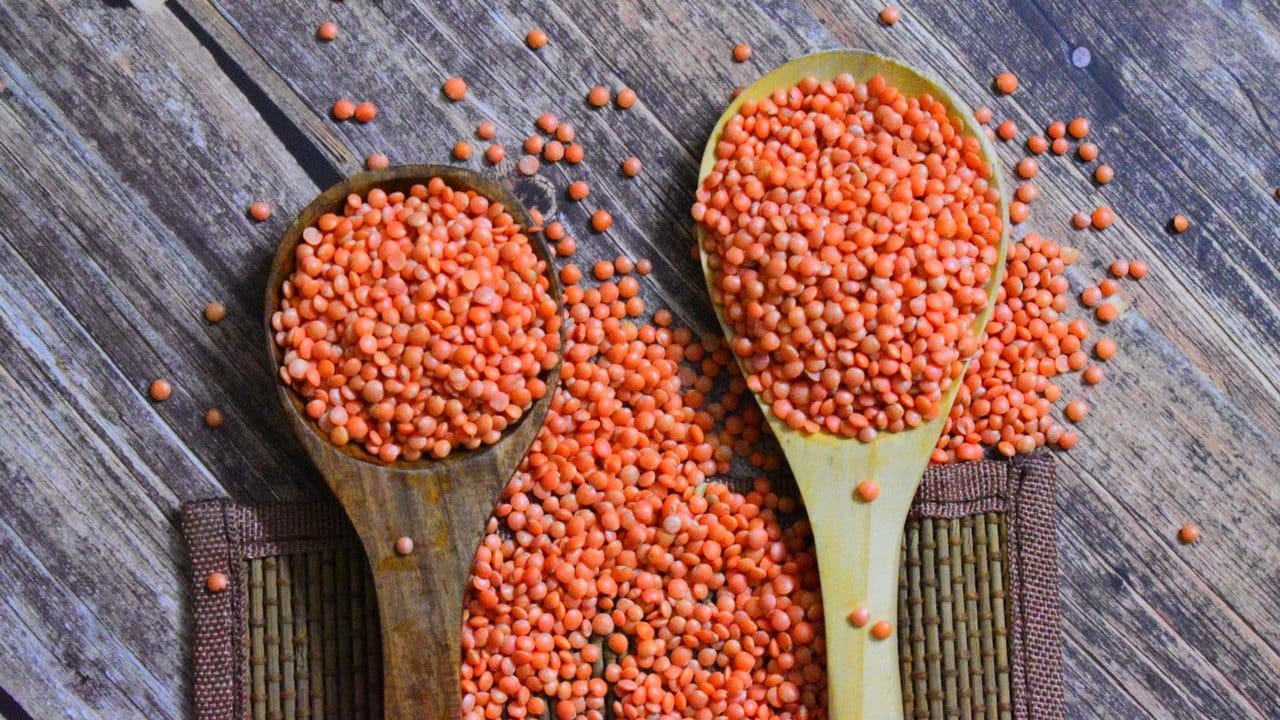
Weak monsoon makes pulses expensive. Photo: Pexels
In view of the growing threat of El Nino on Kharif crop production, the Department of Consumer Affairs (DoCA) has asked the Department of Agriculture and Farmers Welfare (DAFW) to consider temporarily banning the sale of pulses from the government stock in the open market to ensure adequate availability of pulses in the coming months. These were created under the Stock Price Support Scheme (PSS).
DoCA has requested DAFW to consider relaxing the rules for selling PSS stock up to nine months from the date of procurement of grains, especially for tur and gram varieties procured from farmers in the 2025-26 season. Its objective is to preserve the stock until a clear picture emerges about the production prospects of the upcoming Kharif and Rabi crops.
government estimate
The department has said that in view of the changing situation, there may be a need to review the decisions of selling pulses through open market sale and procurement under PSS. At present, the government has estimated about 4 million tonnes (MT) of pulses as a buffer, mainly drawn from procurement by the Agriculture Ministry under PSS and some imports under the Price Stabilization Fund. The current estimate of gram buffer is around 2 MT, and the stock of tur or arhar will be around 0.7-0.8 MT.
The DoCA communication said that this will help in maintaining adequate stocks of pulses with Nafed and NCCF, strengthen preparedness against production shortfall arising from adverse weather conditions including El Nino and ensure adequate availability of pulses at affordable prices to consumers in the market. It said that initial assessments show that weather-related uncertainties due to El Nino may affect cultivated area and crop yields in some areas, but nothing can be said clearly about its overall impact on production.
delay in monsoon
“We want to be cautious and circumspect while managing our buffer stocks as the slow pace of monsoon in June has delayed the sowing of Kharif crops, while the threat of emergence of El Nino in September could impact the next Rabi crops,” an official said in the FE report. DoCA official said that a clear picture regarding the area of Kharif pulses will emerge next month. As of July 17, 2026, the area under cultivation of pulses was 6.92 million hectares, which is 15 percent less than last year. The main reason for this is less rainfall in Central India till the end of June.
strategic reserve
Under PSS, the total quantity of procurement by central agencies is limited to 25 per cent of the production of pulses and oilseed varieties. To avoid increasing holding costs and deterioration in quality, this stock should be sold within nine months of closure of PSS operations. The government uses the strategic reserve of pulses under the Market Intervention Program to prevent any increase in prices. These stocks are released through open market sales and supply to states for welfare schemes like PM-Poshan, Integrated Child Development Services (ICDS), Public Distribution System (PDS) etc. DoCA has started the process of transferring 0.3 MT of arhar, 0.5 MT of gram and 50,000 tonnes of urad from the stock purchased under PSS in the current financial year to the Price Stabilization Fund (PSF).