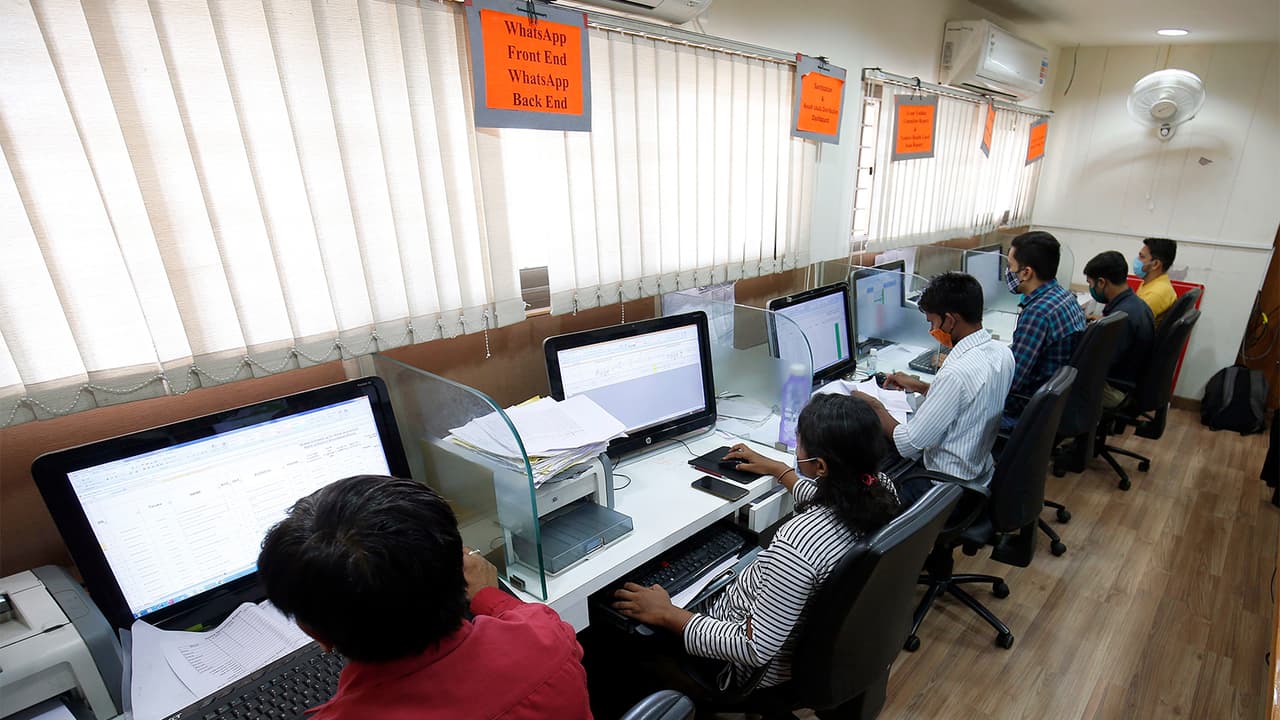
Coimbatore has the potential to grow its Global Capability Center (GCC) ecosystem from 75 to nearly 200 by 2032, an EY-CII report states. The city could add about 125 GCCs in six years, leveraging its talent and industrial base.
Tamil Nadu’s Coimbatore city has the potential to scale its Global Capability Center (GCC) ecosystem from more than 75 GCCs today to nearly 200 GCCs by 2032, according to a joint report by EY and the Confederation of Indian Industry (CII).
The report outlined a development roadmap for the city to participate in the country’s next wave of GCC expansion.
The report noted that Coimbatore could add approximately 125 GCCs over the next six years by building on its established industrial foundation, engineering talent base, and workforce stability.
The report also highlighted that the city possessed an urban population of 3.8 million, an active technology workforce exceeding 300,000 professionals, 137 engineering colleges, and an annual output of over 30,000 STEM graduates. It housed more than 75 operational GCCs as of 2026, with several centers already expanding their operations beyond 1,000 employees.
Beyond a ‘Second-Tier City’
Manoj Marwah, Partner and GCC Markets Leader at EY India, noted that the regional hub had outgrown traditional classifications. “Coimbatore has in many ways moved beyond the conventional definition of a second-tier city,” Marwah said. “The fact that some GCCs have scaled to over 1,000 employees demonstrates the potential to build and sustain larger mandates.”
“The next phase is about replicating this success across the ecosystem, deepening engineering ownership and building globally relevant capabilities,” Marwah added. “With coordinated execution, the city could emerge as one of India’s most distinctive GCC destinations by 2032.”
The ‘5R Growth Framework’
The report detailed a five-pillar “5R Growth Framework” designed to drive this trajectory. The model incorporated Resilience through Metro+1 expansion mandates, Replicate by leveraging current operational setups to draw industry peers, Regionalize by assisting South Indian companies in creating internal centers, Role-led growth through engineering specialisation, and Ramp-up pathways to enlarge existing corporate mandates.
A Vision for a Competitive Ecosystem
Underlining the operational shift toward higher-value functions, V Noushad, Chairman of CII Coimbatore Zone and Managing Director of Walkaroo International Pvt Ltd, pointed to changing enterprise preferences. “As global enterprises increasingly seek talent, resilience and specialized capabilities beyond traditional metro locations, Coimbatore is well placed to play a larger role in India’s GCC story,” Noushad said.
“Our ambition is not just to attract more GCCs, but to help create a globally competitive ecosystem that delivers long-term economic value for the city,” Noushad stated. “The 5R framework outlined in this report provides a practical roadmap to that end.”
Key Advantages for Expansion
The report mentioned that current setups retained room to shift from basic execution toward global engineering centers, centers of excellence, and product ownership units.
It identified competitive Grade A office rentals, lower attrition rates compared to primary metros, Tamil Nadu’s payroll-linked GCC incentive scheme, and innovation platforms such as SNS iHub as key operational advantages supporting the city’s expansion goals. (ANI)
(Except for the headline, this story has not been edited by Asianetnews Editorial staff and is published from a syndicated feed.)