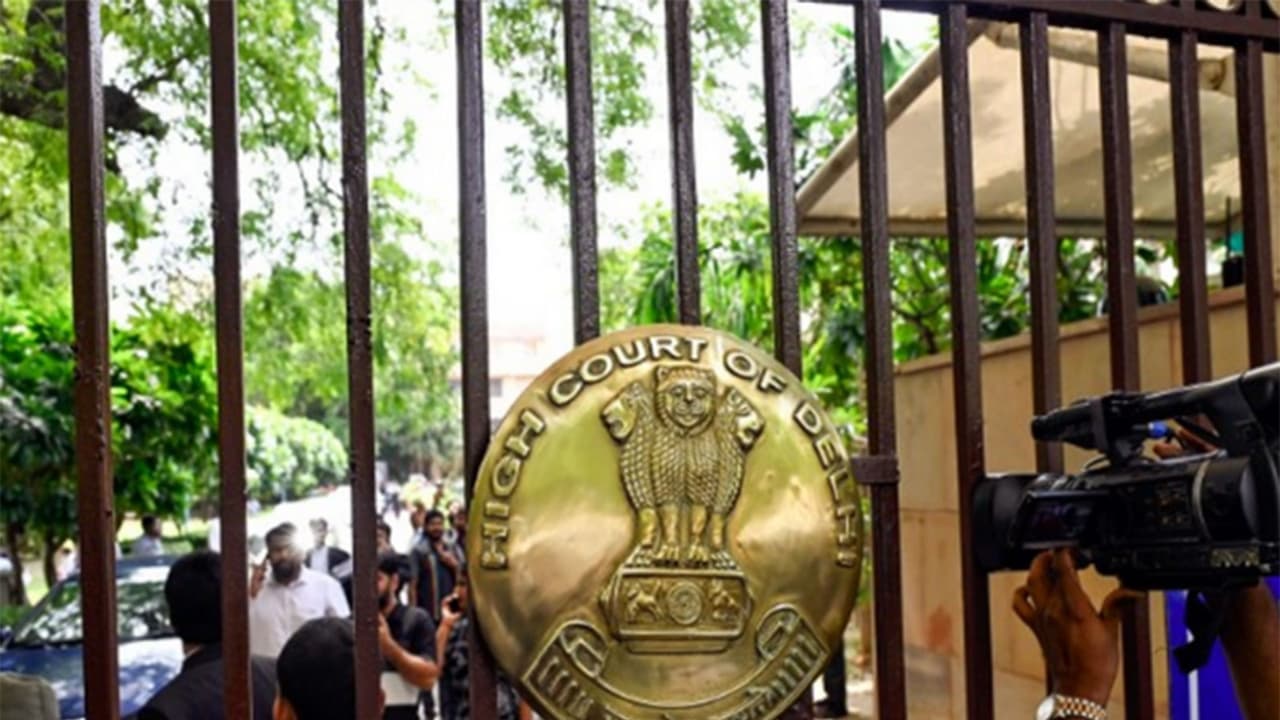
A 100% visually impaired man has filed a habeas corpus plea in the Delhi HC for the release of his Muslim partner, also blind, alleging her family has confined her due to their interfaith relationship. The court has ordered her to be produced.
In a deeply moving case on personal liberty and choice, a 100% visually impaired man has approached the Delhi High Court seeking the release of his partner, also completely blind and a Muslim, alleging that she has been forcibly confined by her family for being in an interfaith relationship. A Division Bench of Justice Navin Chawla and Justice Ravinder Dudeja has issued notice in the matter, including to the parents of the woman, and directed that she be produced physically before the Court on April 18, 2026 (Saturday).
Allegations of Unlawful Confinement
The habeas corpus petition has been filed by Ram Kripal under Article 226 of the Constitution through advocates Anubhav Tyagi and Partha Sharma, seeking production and release of the woman, who is stated to be a major. According to the plea, both the petitioner and the woman are 100% visually impaired and were in a consensual relationship. The woman had been residing independently in a hostel at Rani Khera, Delhi. However, on the intervening night of March 16-17, 2026, her family members allegedly took her away after learning about the relationship.
The petition states that since then, she has been kept incommunicado, with her mobile phone confiscated, effectively isolating her. On March 21, 2026, she allegedly managed to contact the petitioner from another number, informing him that she was being confined against her will and expressing her desire to live with him and marry him. Highlighting that the relationship is interfaith, the petitioner, being Hindu and the woman Muslim, the plea alleges that familial opposition stems from religious differences. It further claims that the petitioner has received threats from the woman’s family members.
Court’s Intervention and Next Steps
The petitioner has also submitted that despite lodging a complaint with the police on April 12, 2026, no effective action was taken, prompting him to move the High Court. The case presents a stark and emotional narrative of two visually impaired individuals asserting their right to love and make life choices, while navigating not just societal and familial barriers but also their own vulnerabilities. The matter will now be taken up when the woman is produced before the Court on April 18.
(Except for the headline, this story has not been edited by Asianet Newsable English staff and is published from a syndicated feed.)