aviation sector
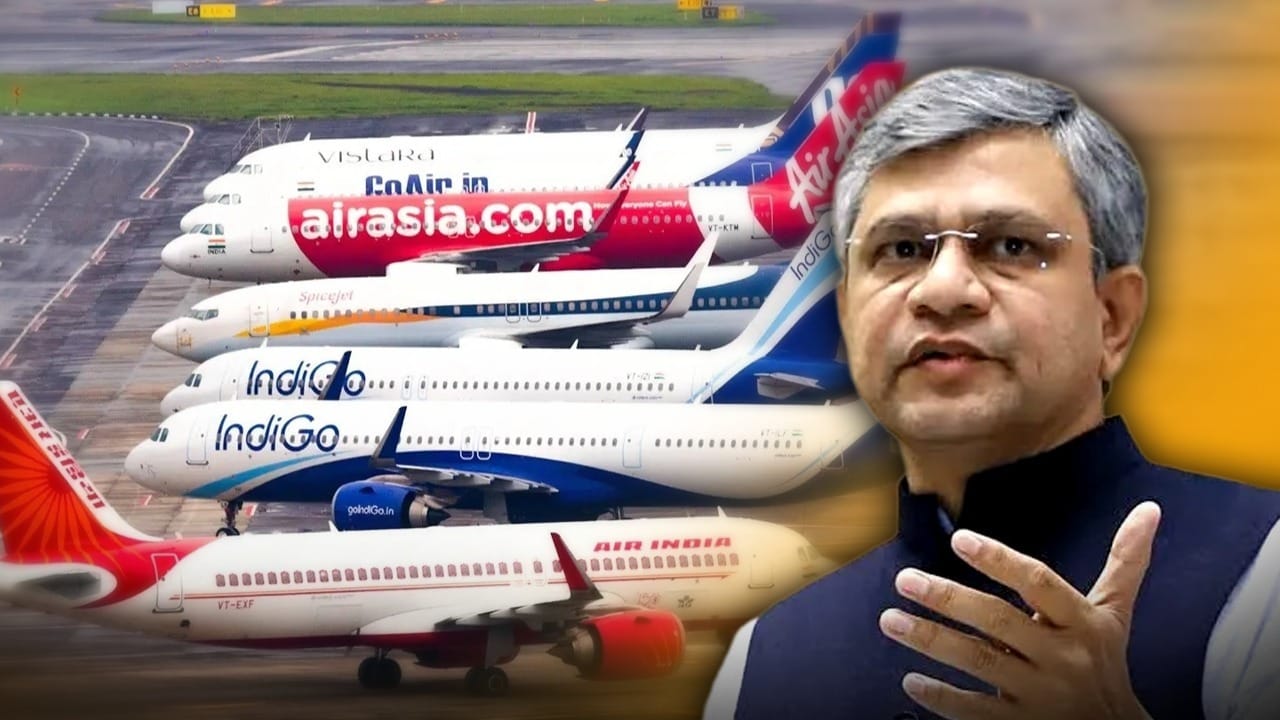
Amidst the Iran-America war, the Central Government has given big relief to the aviation sector. The government has approved ATF (Aviation Turbine Fuel) fund of Rs 10,000 crore. That is, the Petroleum Ministry will give advance money to oil companies (OMCs) without any interest. This help is being given so that the huge fluctuations in the price of aviation fuel due to the crisis in West Asia can be controlled and the airlines companies do not face any problem. With this decision of the government, 77 lakh jobs related to the aviation sector are expected to be safe.
After the cabinet meeting, Union Minister Ashwini Vaishnav said, today under the chairmanship of Prime Minister Narendra Modi, the cabinet has taken many big and important decisions. Today 6 big decisions have been approved. The first decision is regarding the rising prices of jet fuel (ATF) and its impact on the aviation sector, which has happened due to the crisis in West Asia. To reduce this effect, ‘ATF Price Stabilization Fund’ of Rs 10,000 crore has been created.
Key points of the scheme
1. Rs 10,000 crore to OMCs without interest
The government will provide assistance up to Rs 10,000 crore to oil companies. With this, they will be able to provide ATF to the airlines at a lower price.
2. The government will get the money back later
When the prices of ATF come down in the international market, then the oil companies will return this amount to the government. This process will continue until the entire amount is recovered.
3. Benefit to all Indian Airlines
This scheme will be available to all Indian airlines who wish to participate in it. Both domestic and international flights will benefit from this.
4. Fixed price of fuel
Under this arrangement, airlines will get a more stable and predictable price of fuel. This will reduce the risk of sudden price increases and companies will be able to make better financial plans.
5. ATF will have to be purchased only from OMCs
Airlines included in the scheme will have to purchase ATF only from government oil companies for a maximum of three years. This arrangement will be reviewed every year.
What will be the benefit out of this?
- There will be stability in the operations of airlines.
- There will be less possibility of sudden big increase in air fares.
- This will help in continuing domestic and international flight services.
- Air connectivity of small cities, regional and remote areas will remain.
- Sectors like tourism, trade, hotels, logistics and investment will benefit.
- Airport infrastructure can be better utilized.
Why was this plan necessary?
There has been a huge jump in the prices of ATF due to the West Asia crisis. The international price of ATF in March 2026 was around Rs 60.50 per liter. By May 2026, it will increase to around Rs 142 per liter. That means the price increased almost 2.5 times in just two months. About 40% of the total operating expenses of airlines are spent on ATF. This share can reach 60% if fuel prices rise significantly. Apart from this, due to closure of Pakistan’s airspace for Indian airlines, flights going to Europe, North America and Central Asia have to take longer routes. Due to this both fuel consumption and cost have increased. For these reasons, the government has decided to launch this special relief scheme, so that the airlines, passengers and the entire aviation sector can be protected from economic shock.