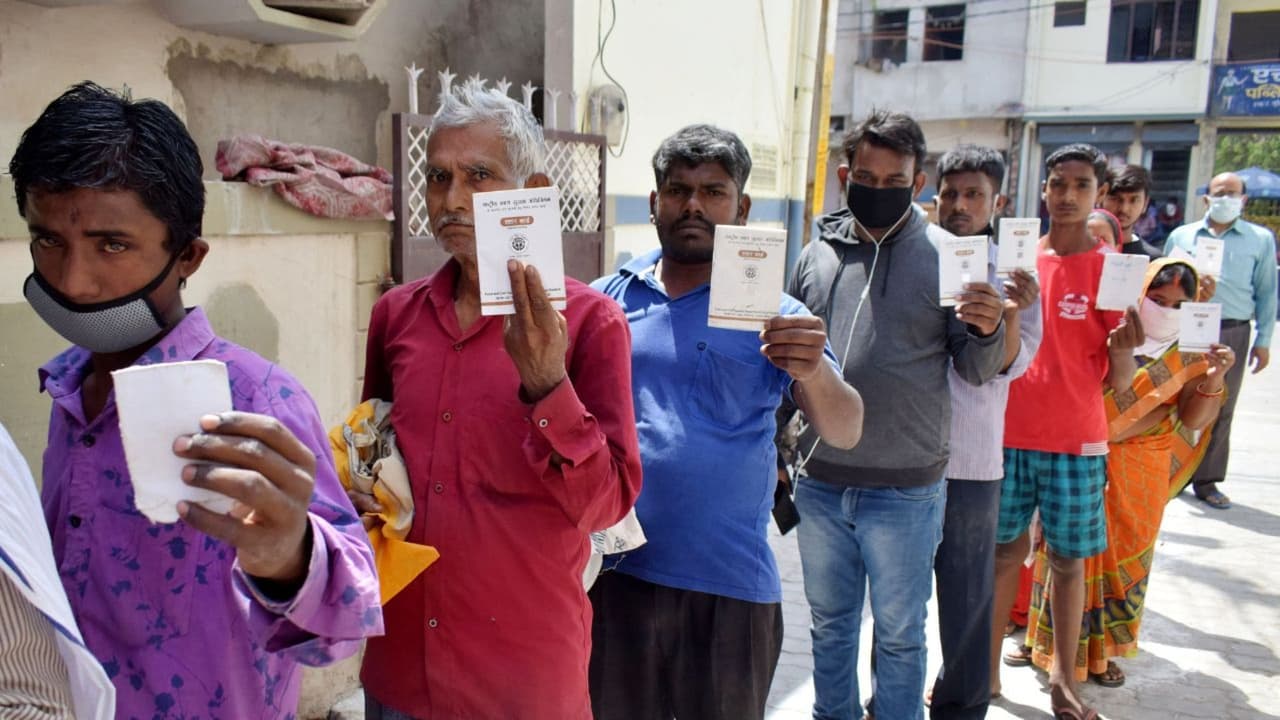
AAY Ration Scheme: Major changes are proposed in Antyodaya Anna Yojana. The government is now considering giving 7 kg of grains per person instead of 35 kg per family. Know which families will benefit most from the new rule.
A major change may be seen in the Antyodaya Anna Yojana (AAY), which provides food grains at affordable rates to crores of poor families in the country. The Central Government is now considering changing the entitlement to food grains under this scheme from a family-based system to an individual-based one. If the proposal is implemented, larger families will be able to get more benefits than before.
The Department of Food and Public Distribution has proposed amendments to the National Food Security Act (NFSA), 2013. The government has sought suggestions and objections from the general public till July 13 on the ‘National Food Security (Amendment) Bill, 2026’ prepared for this.
What is the current arrangement?
As per the existing rules, 35 kg of food grains are given every month to the poorest families covered under Antyodaya Anna Yojana. This quantity remains the same irrespective of the number of members in the family. At the same time, Priority Households get 5 kg of food grains per person every month. In such a situation, sometimes large AAY families get less grains per member, whereas the objective of the scheme is to provide more protection to the most vulnerable section.
What will change in the new proposal?
The government has proposed that AAY beneficiaries be given 7 kg of grains per person every month. However, the maximum limit will remain 35 kg per family. For example, a family of two members will get 14 kg of food grains, while families of five or more members will continue to get the benefit of up to 35 kg. Due to this, distribution of food grains according to the size of the family is being considered more balanced and equitable.
Large families will benefit directly
Experts believe that in the current system, large families get relatively less benefits. Once the new proposal is implemented, the allocation of grains will be according to the number of family members, which will provide better food security to needy families.
What is the objective of the government?
The central government says this amendment is part of a broader strategy to strengthen food and nutrition security under the ‘human life cycle approach’. Its objective is to provide adequate quantity of quality food to the poor and vulnerable sections in line with the basic goal of the National Food Security Act. At present, rice and wheat are being provided free of cost to both Antyodaya Anna Yojana and priority families. If the proposed changes are implemented, it is being considered an important step towards making the food grain distribution system more equitable and need based.