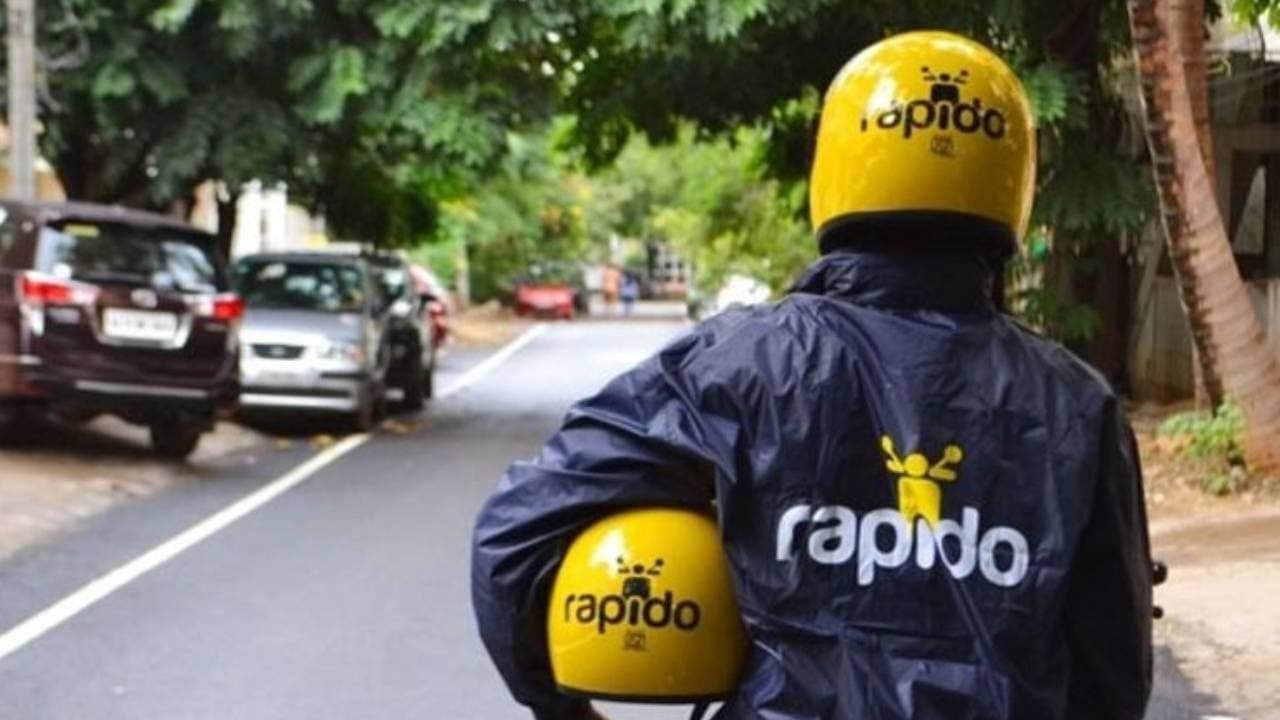
A Bengaluru college student working as a Rapido driver lost Rs 1,000 in a “hospital emergency” scam. A scammer, claiming a UPI issue, asked the student to help pay a hospital bill. The fraudster sent a fake bank SMS confirming a transfer of Rs 5,000.
A Bengaluru college student who worked as a Rapido driver to earn some extra pocket money ended up losing Rs 1,000 after falling victim to a cleverly staged “hospital emergency” scam. The student later shared his experience on social media, describing how scammers exploited his willingness to help someone in a medical crisis and warning others not to make the same mistake.
The seventh-semester student said he had taken up Rapido driving to earn extra money. What made the incident particularly painful was that he had planned to give his entire day’s earnings to his mother. “The worst part is that just this morning, I decided I was going to give today’s entire earnings to my mom. I just wanted to make her happy with my hard-earned money,” he said.
How the ‘hospital emergency’ scam worked
According to the student, the fraud began with a pickup request from Lakshmi Hospital in RT Nagar. After he accepted the request, a person called him from another number and claimed that a woman had been admitted to the hospital and needed to be discharged. The caller allegedly said his UPI was not working at the billing desk.
The scammer offered to send Rs 5,000 for the hospital bill and another ₹300 for the student’s assistance. The student said the emergency situation clouded his judgment. “When someone pulls the “hospital emergency” card, your logical brain just shuts off. You aren’t thinking about scams; you just want to help someone in a desperate medical situation,” he said.
The student gave the scammer his mother’s number so that the supposed payment could be transferred. His mother then received what appeared to be a bank SMS saying Rs 5,000 had been credited. Believing the message was genuine, she sent Rs 5,000 from her own account to her son.
The scammer then sent a QR code and asked the student to pay an initial Rs 1,000 “desk fee.” He scanned the code and transferred the money. Another QR code followed, accompanied by pressure to send the remaining amount.
Mother spots the fake bank alert
The fraud was exposed when the student’s mother contacted the bank and checked her banking app. There was no Rs 5,000 credit. The SMS had been spoofed to appear like a genuine bank notification.
“My stomach dropped. I refused to send the rest of the money and literally begged him to just send back my Rs 1,000. I told him I drove the whole day in insane traffic just to earn that much. He just hung up and blocked me.”
The student said losing Rs 1,000 was painful, but he could eventually recover the money. His bigger concern was for gig workers whose daily earnings are essential for their families.
“Imagine driving 12 hours in Bangalore traffic, exhausting yourself, only to have some heartless scammer steal the exact money you needed to feed your kids or pay rent. It is genuinely sickening,” he said.
Social media users react
The student’s post received attention online, with several users sympathising with him and warning against transferring money to strangers. One user wrote, “At this point. We should all just stop handing money away to people,” while another advised him to prioritise his studies instead of taking on exhausting extra work.
Another user said, “That’s really sad. Sucks to lose your hard-earned money to scammers. Please be careful in the future and don’t ever transfer money to complete strangers.”
The incident serves as a warning about a growing style of digital fraud in which scammers combine emotional pressure, fake payment confirmations and QR codes. A genuine-looking SMS should never be treated as proof that money has reached an account; users should independently verify transactions through their banking app before sending any money onward.