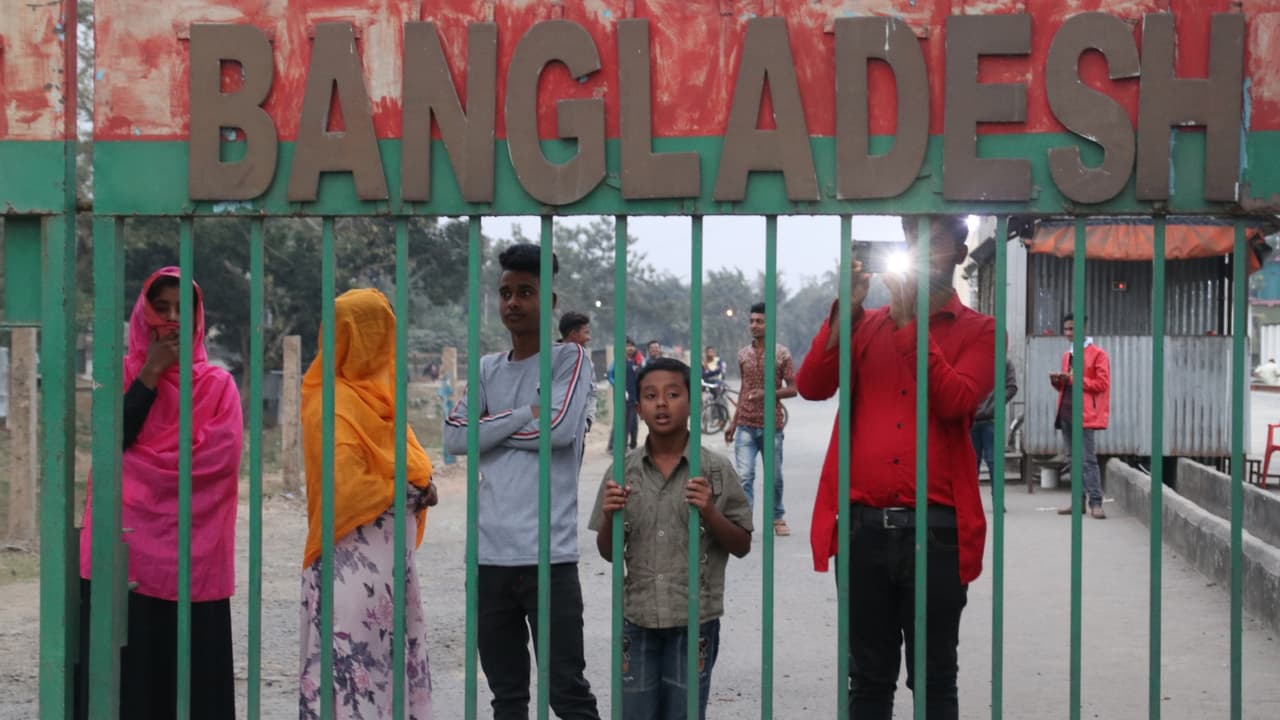
India Bangladesh Border Illegal Infiltration: Why is tension increasing on the India-Bangladesh border? Why is Bangladesh refusing to take back its own citizens? In such a situation, what will happen to the people stranded on the border? Why has the dispute between BSF and BGB deepened? Who is responsible in such cases? What do international rules say?
Bangladesh Border Crisis, What Happens If A Country Rejects Its Citizens: These days, a question has arisen on the India-Bangladesh border, which is not only related to border dispute but also related to identity and citizenship. Action against illegal Bangladeshi infiltrators has intensified in many parts of India including West Bengal. At the same time, tension on the India-Bangladesh border has also increased amid strict action against illegal infiltrators. In fact, hundreds of Bangladeshis are waiting to return to their country on the India-Bangladesh border, but the BGB is refusing to accept them as Bangladeshi citizens. According to The Daily Star report, BGB foiled an attempt by BSF to send 33 people to Bangladesh at three border points of Lalmonirhat. In this matter, know that if a country refuses to accept a person as its citizen, then what happens to him? Who is responsible for such people?
The biggest problem of people stranded on Bangladesh border
In the international system, it is considered very important for every person to have citizenship of some country. Citizenship decides in which country a person will have the right to live, work, vote and get government protection. But when a dispute arises over a person’s citizenship, then the situation becomes very complicated. In such cases, the person concerned may get stuck at the border or his legal status may become uncertain.
Can a country refuse to accept its citizens?
In practice, this happens when the country concerned does not believe that the person in question is actually its citizen. In such cases identity, documents, birthplace and other records are usually examined. At present, the same dispute is visible on the India-Bangladesh border also. BGB says that it is necessary to confirm the citizenship of the people whom attempts were made to send them. For this reason, talks are going on between the security agencies of both the countries.
Whose responsibility is it?
If a person is actually a citizen of a country, it is considered the responsibility of that country to accept him. But when the question arises on citizenship itself, then the matter becomes complicated. In such cases, the governments of both the countries, border security forces and foreign ministries work together to find a solution. At present, the center of controversy on the India-Bangladesh border is whether the people being sent back are actually Bangladeshi citizens or not. Until a clear answer to this question is found, there is a possibility of a deadlock on the border.
Such cases have happened before in the world
Citizenship disputes are not limited to South Asia. Such cases have come to light in many parts of the world, where legal disputes went on for a long time regarding the identity and citizenship of people. In such a situation, the travel rights, employment and government facilities of the person concerned may also be affected.
What will happen next to the people stranded on the India and Bangladesh border?
Flag meeting and official talks are going on between India and Bangladesh on this issue. Usually, such cases are resolved after the citizenship verification process is completed by the agencies of both the countries. At present the biggest question is what is the real identity of these people stopped at the border. Because the biggest security for any person is not his home, but his valid citizenship. And when that question is raised, then it becomes not just a matter of border but of identity.