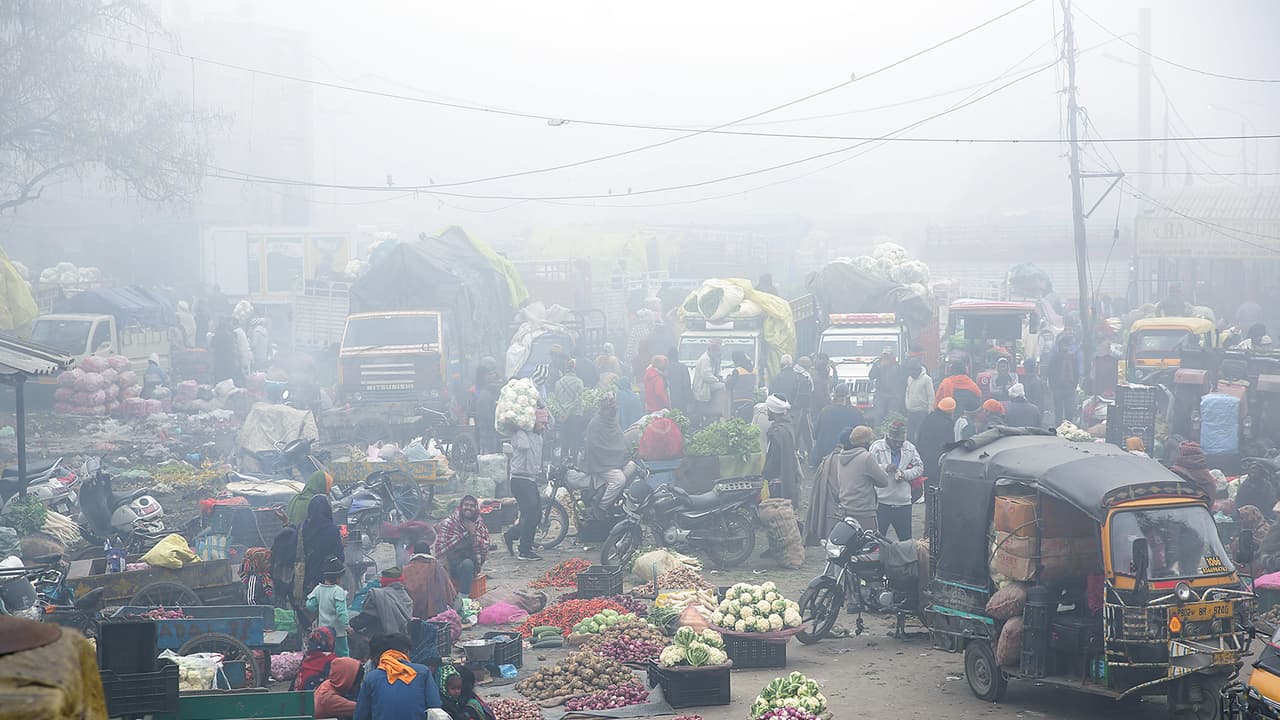
A Bank of Baroda report projects India’s retail inflation to reach 5% in FY27, driven by food and energy prices. Core inflation is expected to stay at 4.5%, but the report warns that the potential emergence of El Nino is a key risk.
India’s retail inflation is projected to climb to 5 per cent in the fiscal year 2027, driven primarily by surging food and energy prices, according to a report by the Bank of Baroda. The report also stated that core inflation is expected to remain anchored around 4.5 per cent during the same period, suggesting that the potential of El Nino might require some additional monitoring.
Recent Inflation Uptick
The projections follow a recent uptick in domestic price pressures. The report noted that India’s retail inflation rose from an average of approximately 3.1 per cent during the January-March 2026 quarter to 3.48 per cent year-on-year (YoY) in April 2026. This increase was driven by a sharp rise in food inflation, which reached 4.2 per cent YoY in April compared to 3.2 per cent in the preceding quarter, while core inflation held relatively steady at 3.7 per cent.
Simultaneously, wholesale inflation surged to a more than three-year high of 8.3 per cent YoY in April, up significantly from an average of 2.6 per cent during the January-March period. This wholesale spike was led by fuel and manufactured products.
Analysis of Price Drivers
“Food inflation is seen rising in both retail and wholesale indices, with a number of segments such as meat, fish and other seafoods, fruits, edible oils and ready-made products witnessing uptick,” the report said, while adding that “global energy prices firmly higher, global food and fertiliser prices are higher, which poses an upside risk to domestic food prices, especially in segments such as edible oils and pulses.”
The report mentioned that even perishables such as veggies and fruits could see a near-term pick-up due to summer uptick and extreme heat conditions across the North and Central parts of the country.
Policy Response and Foodgrain Surplus
On the policy front, enhanced Minimum Support Prices (MSP) facilitated robust procurement, which pushed wheat purchases to a four-year high and left public foodgrain stocks at over three times the buffer requirement by the end of March 2026. This comfortable surplus allowed the government to allocate 5.2 million tons of rice for ethanol blending and partially relax wheat export restrictions.
Monsoon Worries and El Nino Risk
However, the report cautioned that, “while the current season reflects broad-based strength, the potential emergence of El Nino during the upcoming kharif season remains a critical downside risk requiring close monitoring.”
With rainfall seen below normal across the major crop-producing regions in the Northwest, Central and Southern regions, the report highlighted that there is a significant risk to the food production outlook this year. Approximately 40 per cent of total crop production in the country is concentrated in the Monsoon Core Zone, which is likely to see lower rainfall coverage this year.
In case of deficient rains, rain-fed crops such as pulses, coarse cereals, oil seeds and spices should be impacted. “If soil moisture is lower (deficient rainfall) and reservoir levels are not sufficient at that time, there could be some impact,” the report noted.
(Except for the headline, this story has not been edited by Asianet Newsable English staff and is published from a syndicated feed.)