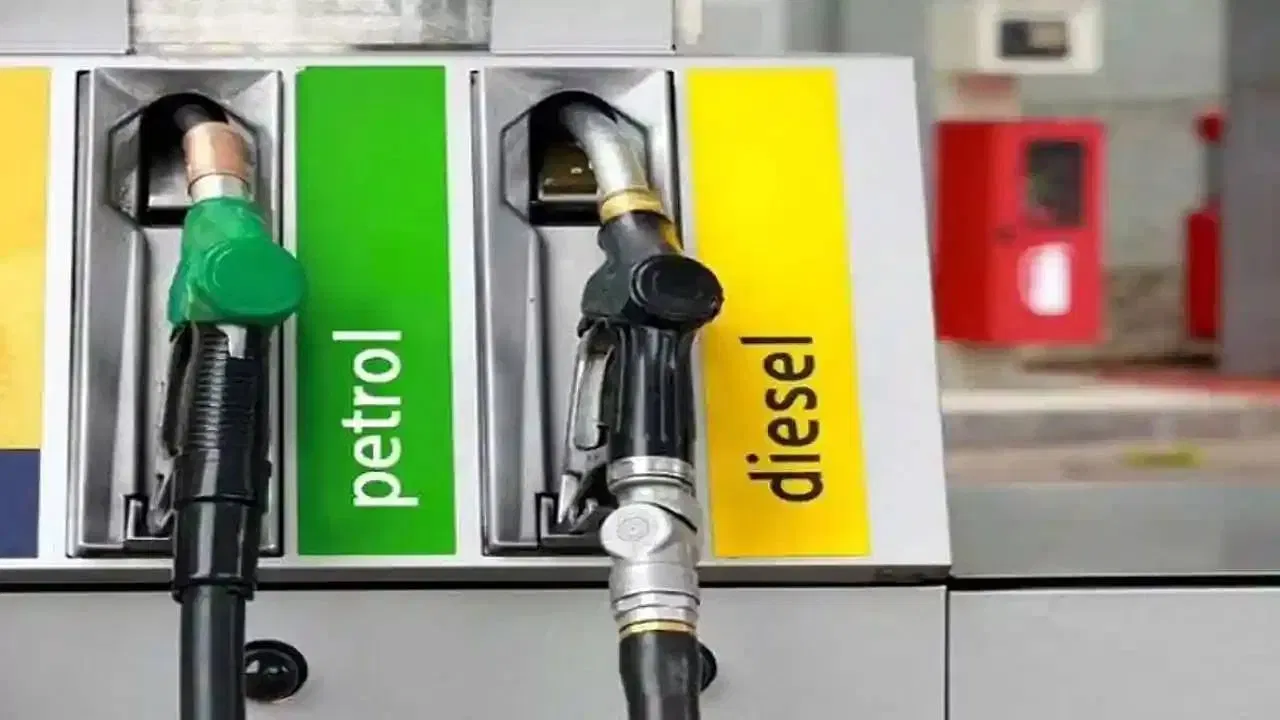
petrol-diesel
Are you really getting petrol cheaper by Rs 14 and diesel cheaper by Rs 18? This may sound like a relief news, but the reality is quite the opposite. Oil Marketing Companies (OMCs) are keeping the retail prices of fuel stable despite rising crude oil prices, due to which they are incurring huge losses. That means the companies are paying the price for the relief you are getting. Let us understand what is its complete mathematics.
Petrol and diesel prices in India have remained relatively stable amid rapidly rising global crude oil prices. This is having a direct impact on the profits of oil marketing companies (OMCs). According to rating agency ICRA, in the current situation companies are facing losses of about Rs 14 per liter on petrol and about Rs 18 per liter on diesel. Since the companies are not increasing the price of oil despite facing losses, it can be assumed that you are getting cheaper oil.
This situation has arisen because crude oil prices have reached the level of $ 120-125 per barrel, while retail fuel prices have not been increased in the same proportion. That is, the relief that consumers are getting is actually at the cost of companies’ losses.
Rising geopolitical tensions in the Middle East, especially supply disruptions in the Strait of Hormuz, have made the situation more serious. This route handles about 20% of the global oil and LNG supply. Any disruption here leads to a sharp rise in global energy prices.
Apart from fuel, companies are also facing huge under-recovery on LPG (cooking gas). It is estimated that this figure may reach Rs 80,000 crore in the financial year 2027. At the same time, the burden of fertilizer subsidy may also increase to Rs 2.05 to 2.25 lakh crore, which is much more than the budget estimate.
The impact of increasing energy costs is not limited to just oil companies. Sectors like fertilizers, chemicals and city gas distribution are also under pressure. Companies in these sectors are not able to pass the entire burden of increased costs on to consumers, due to which their margins are being affected. Experts believe that until global supply normalizes and geopolitical tensions subside, this pressure will continue. Also, if companies continue to sell fuel at losses for a long time, there may be a possibility of a sudden increase in prices in the future.
Also read- US Fed did not cut interest rates, here are 5 big things from the meeting