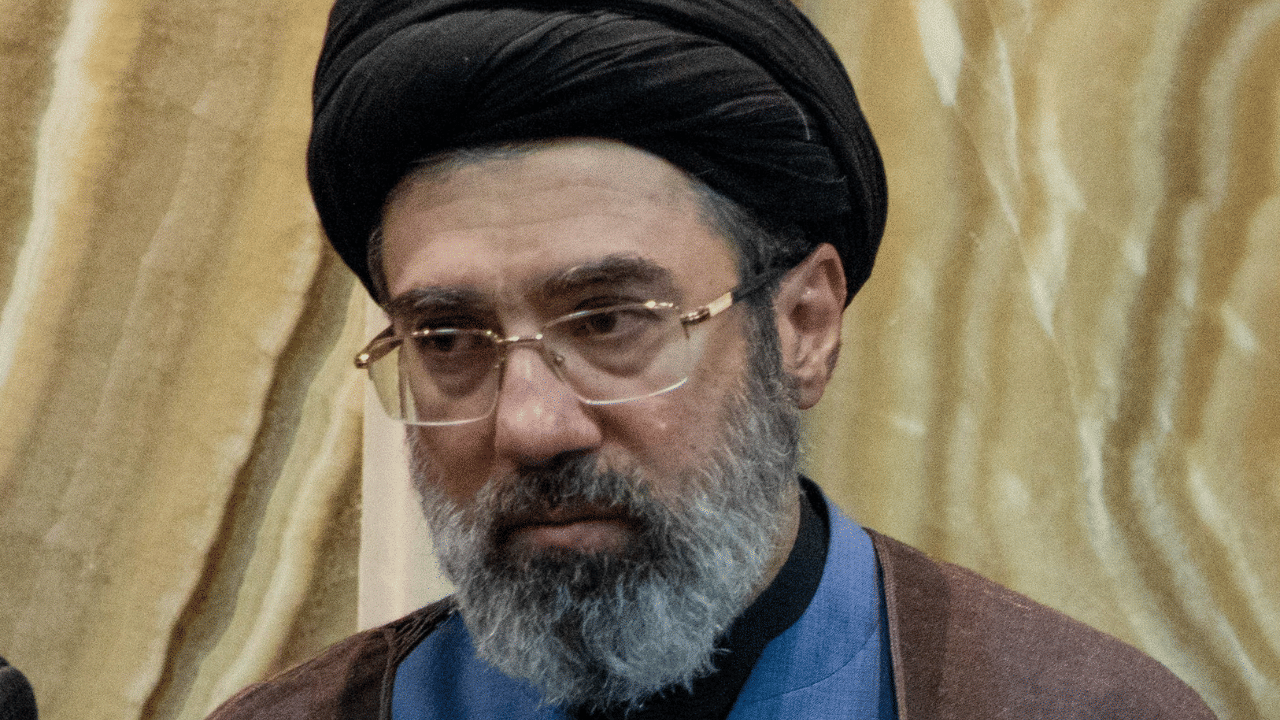
New Delhi: Iran supreme leader Mojtaba Khamenei said Iran will bring in sweeping legal and administrative changes to govern the Strait of Hormuz, as tensions with the United States escalate.
In a strong statement, Khamenei accused Washington of exploiting one of the world’s most critical maritime routes and called it “the cause of instability in the region”. He warned that foreign actors who “commit evil have no place except in the depths of the waters.”
“We will introduce new legal rules and administration for the Strait of Hormuz,” Mojtaba Khamenei said, adding, “The future of the region will be without American presence and in service of the security and well-being of its peoples.”
US blockade and rising tensions
The remarks come after the United States initiated a naval blockade of the Strait of Hormuz on April 13. The move is part of a broader campaign involving Israel to pressure Iran over its nuclear programme.
The Strait of Hormuz lies between Iran and Oman and connects the Persian Gulf to the Arabian Sea. It carries a large share of global oil shipments, making it one of the most sensitive energy corridors in the world.
Iran projects regional leadership
Khamenei framed the proposed changes as beneficial for the wider Gulf region. He said Iran’s approach would ensure stability and economic gains for neighbouring countries.
“The new management of the Strait of Hormuz will bring calm and progress, in addition to economic benefits for all Gulf countries,” he said. He added that Iran and other Gulf nations share a “common fate” and should resist outside interference.
Criticism of US military presence
Khamenei also questioned the effectiveness of American military bases in the region. He argued that these installations cannot ensure their own safety, let alone provide security to allied countries.
“The illusory American bases in the region are incapable of securing themselves, so how can they guarantee the security of the countries dependent on them?” he said.