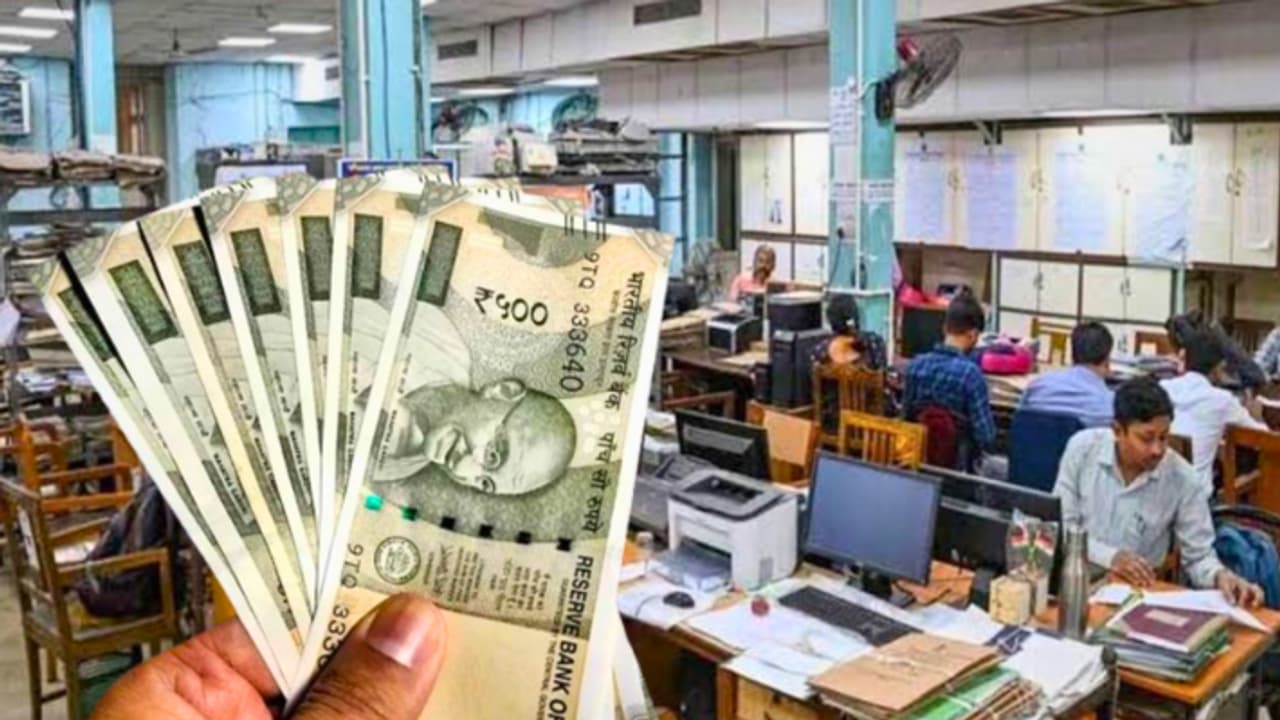
The 8th Central Pay Commission has announced formal meetings and state visits before releasing its final recommendations. Over 1 crore government employees and pensioners across the country will benefit from the decisions of this commission.<img><p>The 8th Central Pay Commission has announced formal meetings and state visits as part of its consultation process. The commission will discuss various proposals with employee unions, representatives, pensioner associations, federations, and other stakeholders during these state visits before publishing the final recommendations, according to the official portal.</p><img><p>Over 1 crore people expect to benefit from the decisions of this commission. This massive group includes around 50 lakh central government employees, nearly 65 lakh pensioners, and defence and railway staff along with retirees.</p><img><p>The Terms of Reference (ToR) for the 8th CPC clearly outline what central government employees and pensioners can expect from the final recommendations. The Union Cabinet approved this ToR last year to define the scope of work and specify the exact areas for the commission to review.</p><img><p>The 8th CPC will function as a temporary body. A chairperson leads the panel, supported by one part-time member and one member-secretary. The government has directed the commission to submit its recommendations within 18 months of formation, though it can also submit interim reports if needed.</p><img><p>The commission must consider the country’s economic conditions and the need for fiscal prudence while making recommendations. It will review resource allocation for development and welfare, funding for non-contributory pension schemes, and the potential financial impact on state governments. The panel will also compare the current pay structure, perks, and working conditions with PSU and private sector employees.</p><img><p>The panel will review various aspects of remuneration and emoluments. This includes salary structures, pay matrix, allowances like Dearness Allowance (DA), Dearness Relief, and HRA, along with other benefits like increments and promotions. The commission will build logical arguments and recommend practical changes based on current workplace requirements and special needs.</p><img><p>The commission aims to create a remuneration structure that attracts talented individuals to government service. It also focuses on improving efficiency, accountability, and responsibility in the work culture. The panel will review existing bonus and incentive systems to boost overall performance and productivity.</p><img><p>The commission will recommend general principles and financial criteria for suitable incentive systems to recognize excellence in productivity and performance. It will review current allowances and their eligibility conditions. The panel will also suggest logical justifications to simplify the complex structure of multiple allowances.</p><img><p>The commission will review and recommend changes to the death-cum-retirement gratuity for employees covered under the National Pension System (NPS), including the Unified Pension Scheme (UPS). It will also review the gratuity and pension structures for employees who do not fall under the NPS or UPS categories.</p><img><p>Former Supreme Court Justice Ranjana Prakash Desai heads this panel. The other key members include member-secretary Pankaj Jain, a former IAS officer, and commission member Prof. Pulak Ghosh, who serves as a tenured economics professor and a member of the PM’s Economic Advisory Council.</p><img><p>The commission will likely announce its recommendations within 18 months of formation, which falls around November 3, 2025. Employees can expect a formal announcement regarding the decisions by February or April 2027. However, the absolute final deadline for submitting the report is May 2027.</p><img><p>Past trends show that the government usually takes another two to three years to fully implement the pay commission recommendations after the announcement. This means the salary hikes announced in 2027 will likely see complete implementation on the ground by 2029 or 2030.</p>