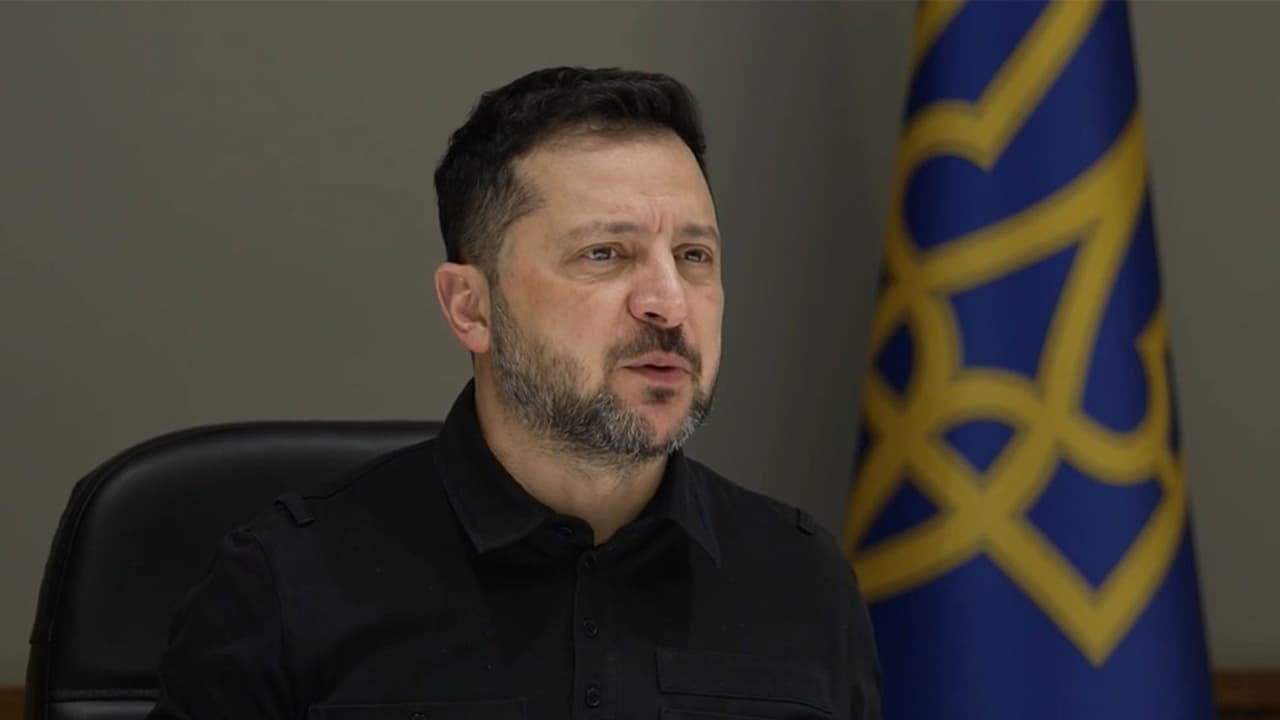
President Zelenskyy and EU Chief Ursula von der Leyen are activating emergency mechanisms to address Ukraine’s severe power, water, and heating shortages caused by ongoing Russian strikes as they prepare for the upcoming winter season.
Zelenskyy and EU Discuss Critical Energy Crisis
Ukrainian President Volodymyr Zelenskyy has stated that he held a conversation with European Commission President Ursula von der Leyen as numerous cities and communities grapple with severe challenges regarding electricity, water and heating services stemming from ongoing Russian attacks. In a post on X, Zelenskyy wrote, “I spoke with President of the European Commission Ursula von der Leyen. Right now, many of our cities and communities are facing a very difficult situation with power, water, and heating supplies due to Russian strikes. The situation is most difficult in Kyiv, the Dnipro, Sumy, and Donetsk regions, and Kherson.”
The Ukrainian leader continued, “I told Ursula about the challenges, and we agreed that the European Union would activate a special emergency mechanism. This will make it possible to quickly provide Ukraine with funding for what is needed most right now. Our teams are already working on this.” The dialogue also covered additional energy and humanitarian assistance to prepare for the winter period, alongside matters relating to European integration.
Diplomatic Progress and Future Negotiations
Referring to the recent release of the European Commission’s annual EU Enlargement Package, Zelenskyy noted, “This week, the European Commission published its annual EU Enlargement Package, which gave a positive assessment of Ukraine’s progress. It is important to open all the clusters and begin closing the chapters.”
Furthermore, the two officials discussed broader diplomatic developments. “Of course, we also discussed diplomacy. In recent days, talks were held in Brussels, where our teams did a good job working on a recovery plan and security guarantees from Europe,” Zelenskyy stated. He added, “Ursula and I also coordinated our positions regarding the meeting in Abu Dhabi. We are doing everything to ensure that the trilateral format delivers results. Thank you, Ursula!”
International Context and US Statements
This diplomatic coordination unfolds as US Secretary of State Marco Rubio has arrived in France to attend a two-day G7 Foreign Ministers’ Meeting alongside diplomatic leaders from leading industrialised nations who have assembled in the French capital for the ongoing summit running from November 9 through November 10. The two-day talks are dedicated to addressing critical international security concerns, reviewing previous initiatives stemming from the March 2026 meeting held in Vaux-de-Cernay, and synchronising joint multilateral strategies.
Meanwhile, US President Donald Trump has expressed strong optimism that a resolution to the ongoing Russia-Ukraine war is near, pointing to the deep-seated animosity between Ukrainian President Volodymyr Zelenskyy and Russian President Vladimir Putin as the primary stumbling block hindering peace efforts. During a comprehensive broadcast interview with CBS News, the American leader was questioned about what factors he considered to be the most formidable barrier to ending the conflict. “It was the hatred between Zelenskyy and Putin. If I had been president, that war would’ve never started. Zero chance. But it did start. So I inherited that war. I believe we’re very close to making a deal,” Trump said.
The US President maintained that his active intervention could bring the prolonged crisis to a close in the near future, indicating that Kyiv might ultimately need to accommodate territorial adjustments as a core component of any final settlement. “I think we’re gonna have it done, and I think it’s gonna happen and they’re gonna end up with a little bit different shape Ukraine,” he said. Later in the conversation, President Trump addressed questions concerning potential regional escalations involving Tehran now that the American midterm electoral cycle has concluded, dismissing suggestions of further military friction. “I’m not looking to. I don’t think there’s any reason to. I don’t think there’s any reason to,” he responded. Adding to his assessment of the Middle Eastern theatre, President Trump asserted that Iran’s nuclear material remained securely sealed beneath thousands of tonnes of rock, while emphasising that Washington had successfully fulfilled its primary military objectives.
These developments precede high-stakes trilateral discussions scheduled to take place in Abu Dhabi on November 10 and 11, designed specifically to prevent Kyiv from having to accept unfavourable peace terms. The upcoming meetings are set to centre heavily on resolving the war, establishing reliable security guarantees for Ukraine, and implementing practical measures to de-escalate regional hostilities. European partner nations are also slated to join the diplomatic engagement, with American special envoys Steve Witkoff and Jared Kushner designated to head the Washington delegation. Nevertheless, formidable hurdles continue to shadow the ongoing negotiations, as Moscow and Kyiv remain deeply divided over contested boundaries and future security frameworks for Ukraine. Meanwhile, President Zelenskyy has voiced public concerns, warning that an expanded European security framework could introduce severe complexities and potential vulnerabilities unless Kyiv’s vital security requirements are adequately met. (ANI)
(Except for the headline, this story has not been edited by Asianetnews Editorial staff and is published from a syndicated feed.)