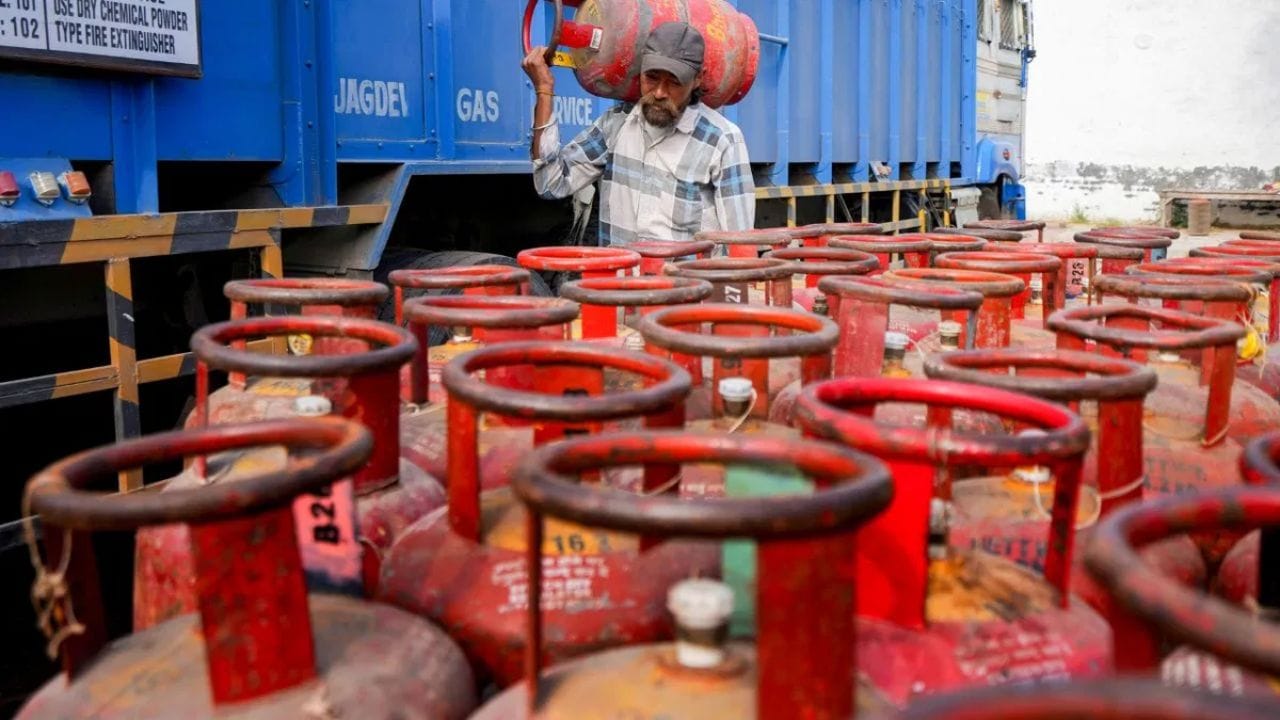
LPG subsidy
The burden of subsidy given on LPG in the country can become a big challenge for the government in the financial year 2026-27 (FY27). According to a report, the total bill for LPG subsidy in the current financial year is estimated to reach more than ₹ 1 lakh crore. Whereas a provision of only ₹ 30,000 crore has been made for this in the Union Budget. This means that the government may have to arrange an additional amount of about ₹ 70,000 crore from the budget estimate.
Why is the subsidy burden increasing?
According to the report, the subsidy burden is continuously increasing due to fluctuations in LPG prices in the international market and the government’s policy of controlling cylinder prices to provide relief to domestic consumers. The government wants that the impact of inflation should be less on the common people, especially the beneficiaries of the Ujjwala scheme. Due to this, the government may have to compensate for the losses incurred by public sector oil marketing companies (OMCs).
Pressure will also increase on oil companies
If more subsidy is required than the amount fixed in the budget, then initially it may also affect government oil companies like Indian Oil, Bharat Petroleum (BPCL) and Hindustan Petroleum (HPCL). However, later the government can provide relief to these companies through additional budgetary support or other financial arrangements. Experts believe that if international LPG prices remain high, the financial pressure on the government may increase further.
Ujjwala scheme will also have an impact
Under Pradhan Mantri Ujjwala Yojana, LPG cylinders are provided to crores of poor families at concessional rates. Due to increase in the scope of this scheme and increase in the number of beneficiaries, the subsidy expenditure of the government is also increasing. The government is currently working on a strategy to provide relief through subsidies instead of putting additional burden on consumers.
Maintaining financial balance will be a challenge
Experts say that if the LPG subsidy bill crosses ₹1 lakh crore as estimated, the government will have to arrange additional funds. Due to this, maintaining the fiscal deficit target can also be challenging. In the coming months, everyone will be keeping an eye on international fuel prices, domestic demand and the government’s subsidy policy. If LPG becomes cheaper in the global market, the burden on the government may be reduced, but if prices remain high, additional budgetary provisions may be required.