Will cabs be booked in space like Uber? Skyroot’s Vikram-1 is going to create big history. What is the secret in this mission that set off with small idols made of rice grains and diamond lotuses that is astounding the world? Know its strength, mission arrival and historic achievement for India.
Sriharikota: Have you ever thought that just like we book a taxi or cab from our smartphone, in the same way a company can book an entire rocket to send its satellite into space? This may sound like a story from a science-fiction film, but at 11:30 am on Saturday, India’s private space sector is going to make this reality happen. Hyderabad’s private company ‘Skyroot Aerospace’ is all set to launch its first orbital rocket Vikram-1. This 16-minute flight from Satish Dhawan Space Center can change India’s space history forever.
The end of ‘rideshare’ or a boon for small satellites?
Till now, to send small satellites into space across the world, one had to wait for the space left in a big government rocket (like ISRO’s PSLV). In technical language it is called ‘rideshare’ or secondary payload. Its disadvantage was that small companies had to wait months or years for big missions and they could not even choose the orbit of their choice. Vikram-1 is coming to end this compulsion. This seven-storey high rocket can place a payload of up to 350 kg directly into ‘Low Earth Orbit’ (Lower Earth Orbit). According to Skyroot CEO Pawan Kumar Chandana, it is “a cab service for space”. That means, whenever you want, book your rocket and send your satellite to the desired place.
Will the journey really be like booking a cab to orbit?
Skyroot Aerospace calls its model “cab service for space.” This means that small satellite operators no longer have to wait months or years for a free slot on a larger rocket. Just as people book cabs as per their convenience, in the future companies will be able to book the launch of their satellite by choosing the desired date and desired orbit. This is the reason why Vikram-1 is being considered a potential game-changer for India’s space sector.
Why is Vikram-1 so special?
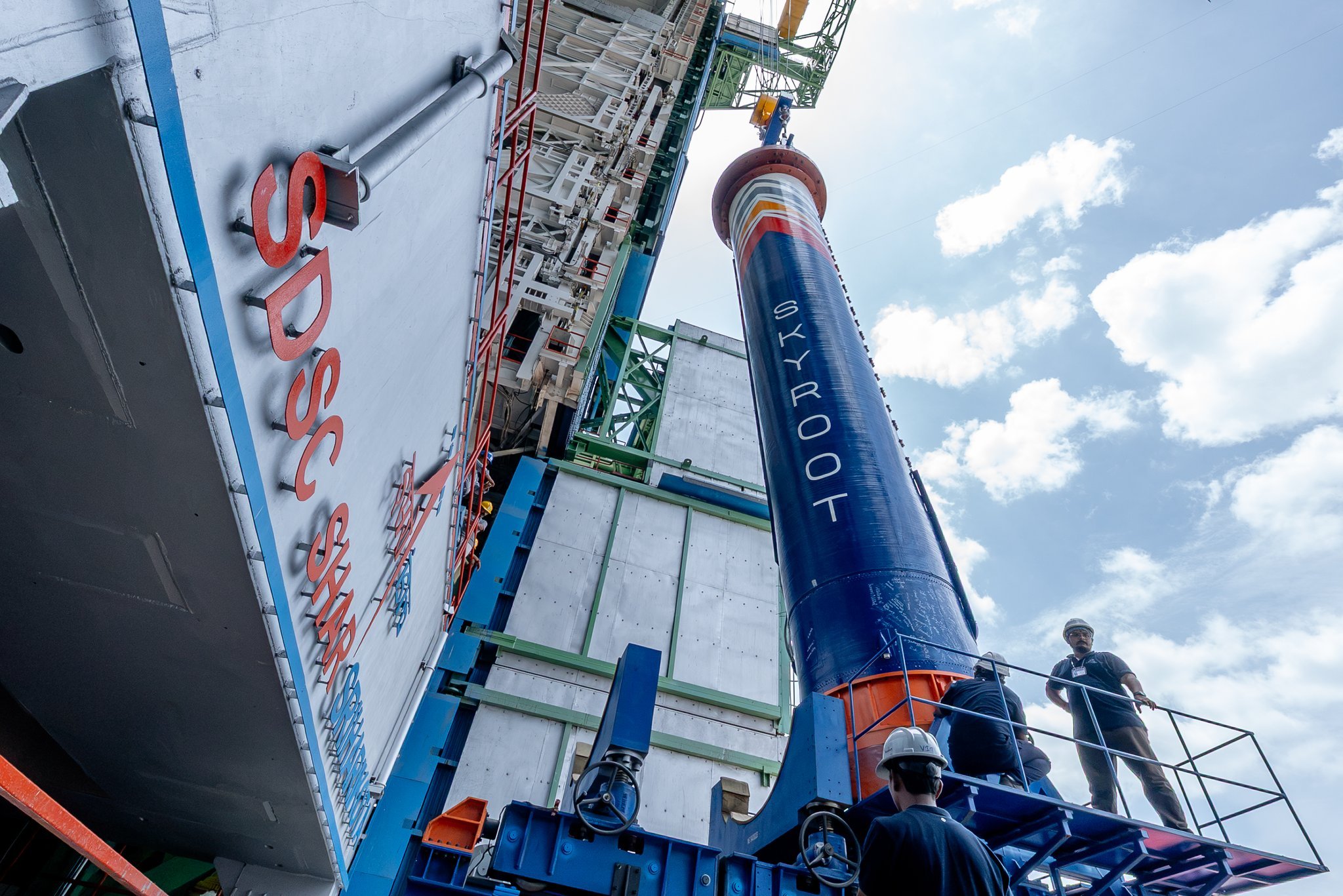
Vikram-1, about seven storeys high, is a multi-stage launch vehicle, which has been designed to deliver a payload of up to 350 kg to an approximately 450 km high Low Earth Orbit (LEO). Till now, small satellites were sent as secondary payloads with larger missions. This required compromise on both time and orbit. Vikram-1 offers a solution to this problem. If this model is successful, India can reach the ranks of companies like America’s Rocket Lab.
Read this also… Is Zero Hour about to start? Trump’s big military move after Iran’s threat, will war erupt?
What will go to space when the mission arrives? Sculptures and space robots smaller than a grain of rice
This historic mission has been named ‘Mission Aagaman’. Six payloads are going into space with this rocket, some of which are very mysterious and unique. Apart from cameras monitoring the Earth, a robotic arm is being sent in this mission, which will test the technology to clean hazardous waste floating in space. Not only this, a unique confluence of Indian culture and science will also be seen in this rocket. A lotus flower ‘Cosmic Bloom’ made from lab-grown diamonds has been placed inside the rocket. Along with this, inside a small rocket of gold, three great sons of India – C.V. Raman, Dr. A.P.J. Micro-sculptures of Abdul Kalam and Dr. Vikram Sarabhai have been kept, whose size is smaller than a grain of rice!
Vikram-S was just a glimpse, the real test will begin now!
Skyroot made a lot of headlines by launching a rocket named ‘Vikram-S’ in November 2022, but that was just a sub-orbital flight. That means the rocket went to space and fell back into the sea. The mission of Vikram-1 on Saturday is a thousand times more complex than that. Orbital launch means that the rocket not only has to reach space, but it also has to achieve a certain and very precise speed so that the satellites can escape the Earth’s gravity and continuously rotate in its orbit. History is witness that the world’s largest private space company ‘SpaceX’ also failed in its first three attempts and was successful in the fourth time. In such a situation, this 16-minute first flight of Vikram-1 is no less than a litmus test for Skyroot.
One rocket every month: Will India become the king of the global space market?
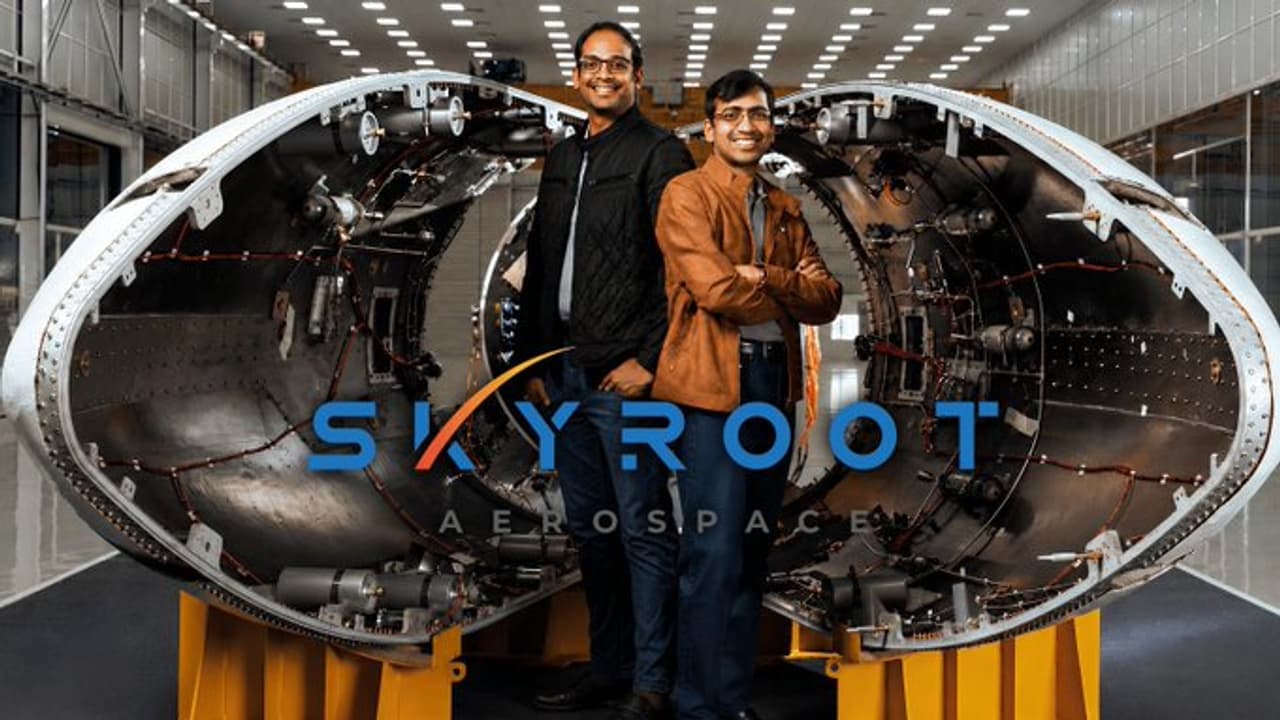
This start-up, started by two former ISRO engineers in 2018, has today become a $1.1 billion (unicorn) company. When the Indian government opened the space sector to private companies in 2020, no one thought that in just a few years, more than 400 space start-ups would be established in the country. India aims to increase its share in the global space market from 2% to 10% by 2030. Skyroot has claimed that their factory in Hyderabad has the capacity to make one new rocket every month. If Saturday’s test is successful, commercial bookings will start from next year, 80% of which is expected to come from foreign markets. The eyes of the whole world are now fixed on the launch pad of Sriharikota!
What will be the biggest benefit for India?
If Vikram-1 is successful, India will be among the few countries after the US and China where private companies are able to conduct orbital launches independently. This will strengthen India’s space ecosystem, open the way to attract foreign customers and the global market for small satellite launches will bring new opportunities for Indian companies. Sectors like farming, weather forecasting, communications, internet, disaster management, navigation and national security can also directly benefit from faster and cheaper satellite launches.
Read this also…What happened on day 21? See in 10 pictures how police took away Sonam Wangchuk from Jantar Mantar