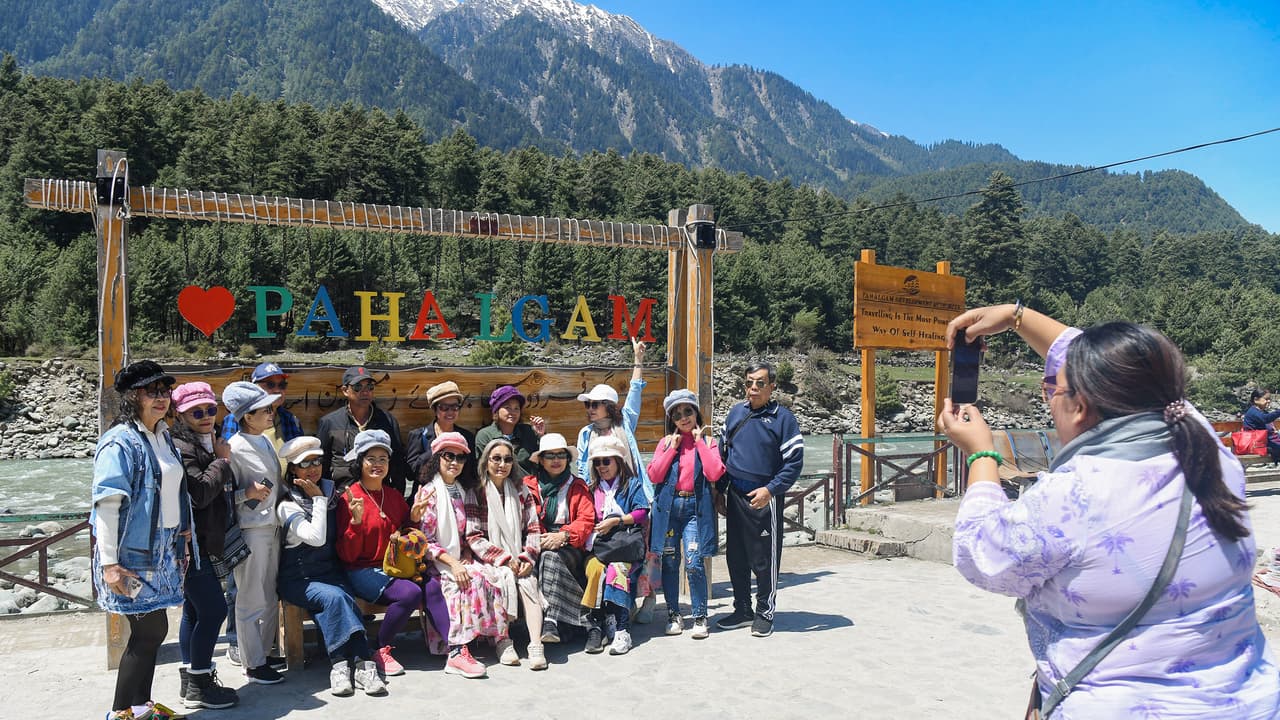
The Pahalgam terror attack in Baisaran wasn’t random—it was a calculated strike on Kashmir’s tourism lifeline, aiming to trigger fear, economic damage, and long-term psychological scars.
New Delhi: There is a reason terrorists chose the Baisaran valley. It was accessible, along with being symbolic.
For years, the meadow had been doing quiet diplomatic work. Every family that rode a pony up its slopes, every tourist who photographed its impossible green against snow-capped peaks, was living proof of a government claim: that Kashmir was healing, that it was open, that it was safe. The tourism boom was the narrative. Baisaran was its most photogenic backdrop.
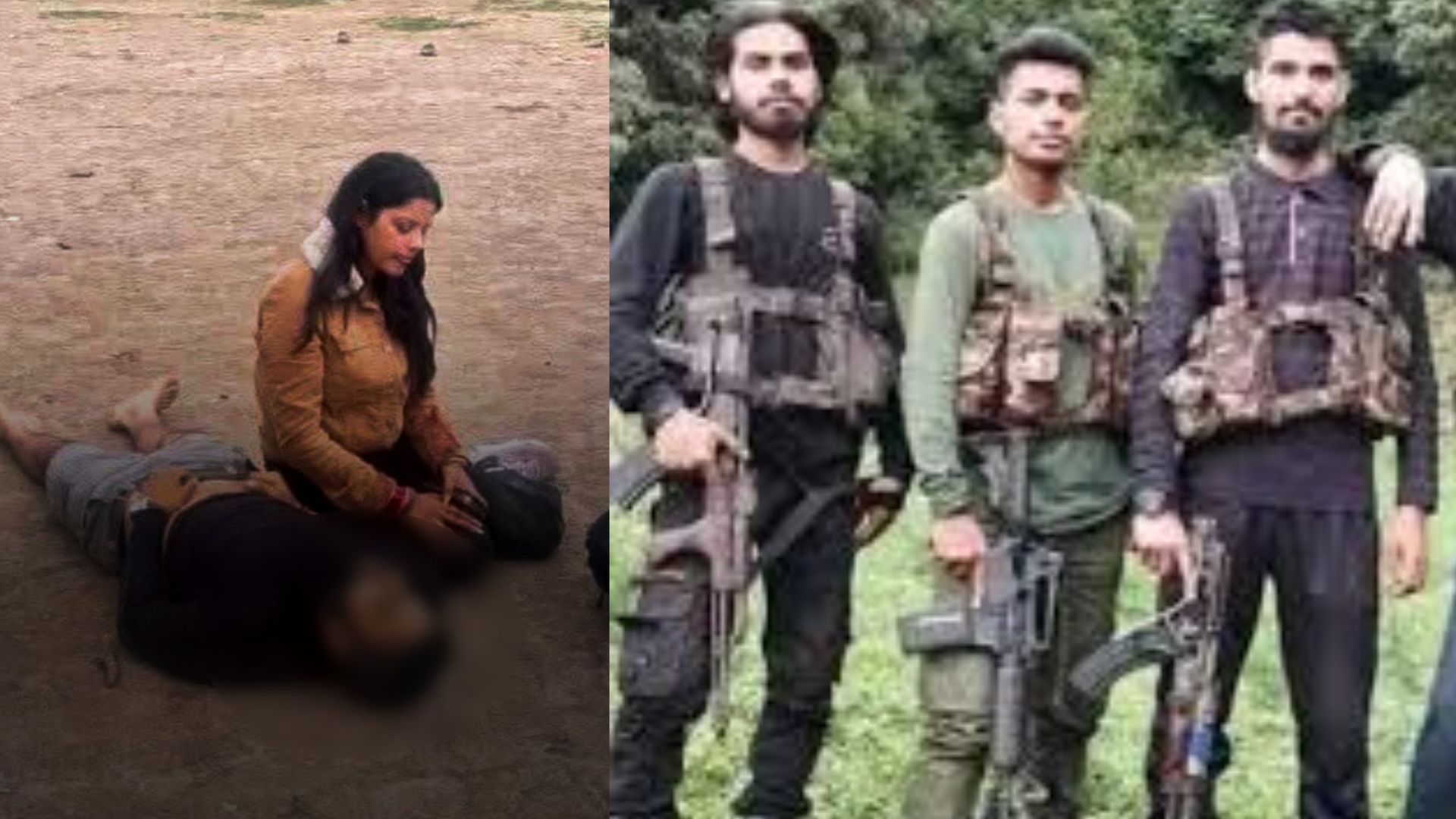
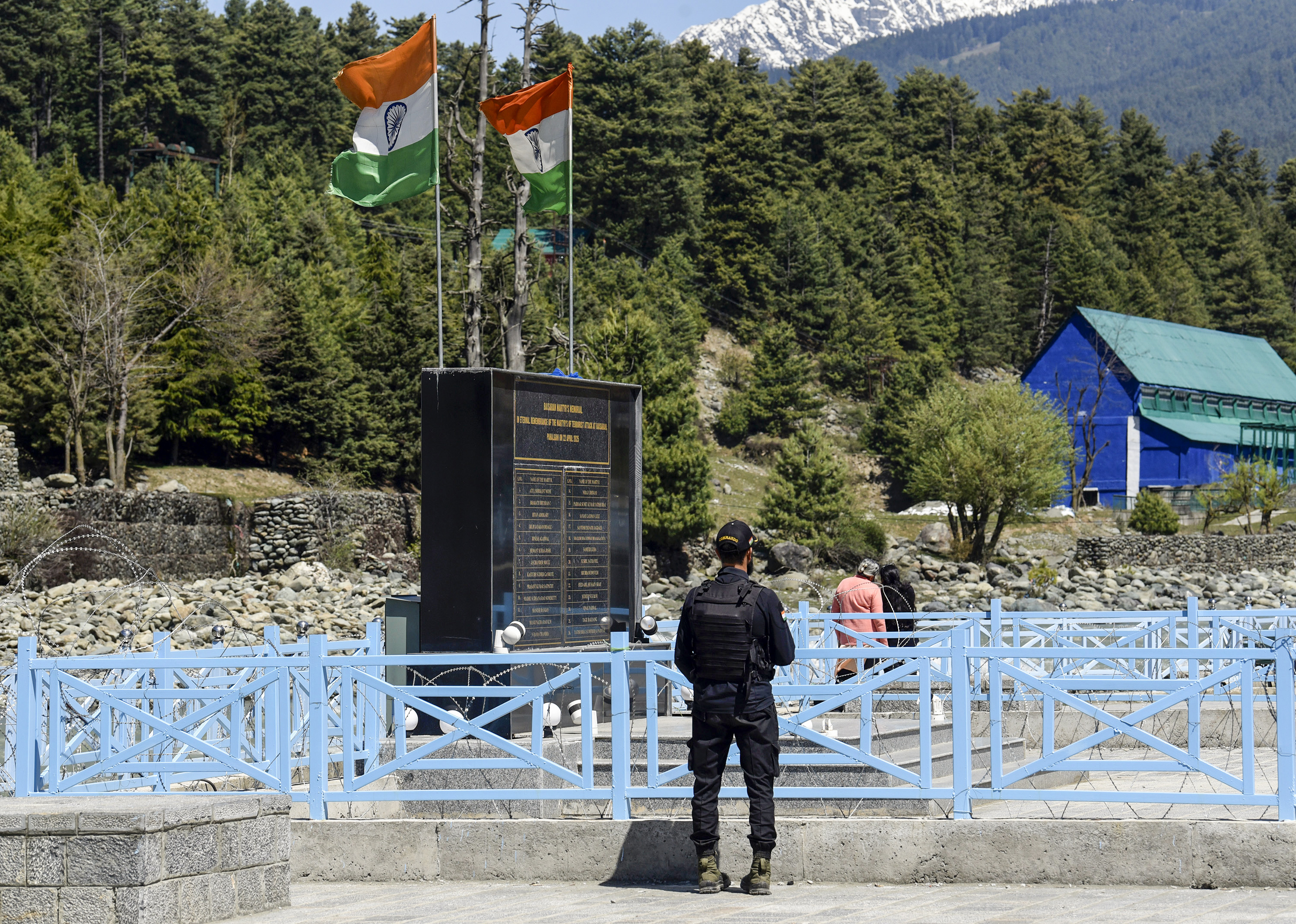
On April 22, 2025, armed men walked into that meadow and killed 26 people. They moved through the crowd asking each person their religion. Those identified as Hindu were shot. The attack was over within minutes. What it left behind — in the valley, in the tourism industry, in the minds of hundreds of thousands of potential visitors — would linger far longer.

A deliberate target, not a random one
The choice of Baisaran was not opportunistic. It was strategic. The valley sits about seven kilometres from Pahalgam town, accessible only on foot or horseback. That remoteness, which makes it so appealing to tourists seeking escape, also meant no immediate armed response was possible. By the time security forces could reach the site, the attackers had retreated into the surrounding forests.
The Resistance Front — TRF, a front organisation for Pakistan-based Lashkar-e-Taiba — initially claimed responsibility, framing the attack as opposition to demographic change brought about by the 2019 abrogation of Jammu and Kashmir’s special status. The messaging was calculated. Tourism in Kashmir, TRF’s statement implied, represented an influx of outsiders and a political normalisation that the group rejected. Tourists were not collateral damage. They were the point.
External Affairs Minister S. Jaishankar put it plainly when he described the attack at the United Nations on July 1, 2025: “It was an act of economic warfare. It was meant to destroy tourism in Kashmir, which was the mainstay of the economy. It was also meant to provoke religious violence because people were asked to identify their faith before they were killed.”
What tourism actually means for Kashmir
To understand the attack’s intent, it helps to understand what Kashmir’s tourism revival represented — and to whom.
For the Indian government, a thriving tourist season was evidence that its 2019 decision to revoke Article 370 had stabilised rather than inflamed the region. Visitor numbers had climbed steadily. International attention had softened. The imagery of families holidaying in meadows was politically useful in a way that security briefings could never be.
For local Kashmiris — the pony operators, the hotel owners, the shopkeepers, the guides — tourism was simply income, often the primary source of it. The valley’s economy runs on summer visitors. A disrupted season is not an abstraction. It is empty rooms and cancelled bookings and families trying to calculate how to get through winter.
The attack hit both simultaneously.
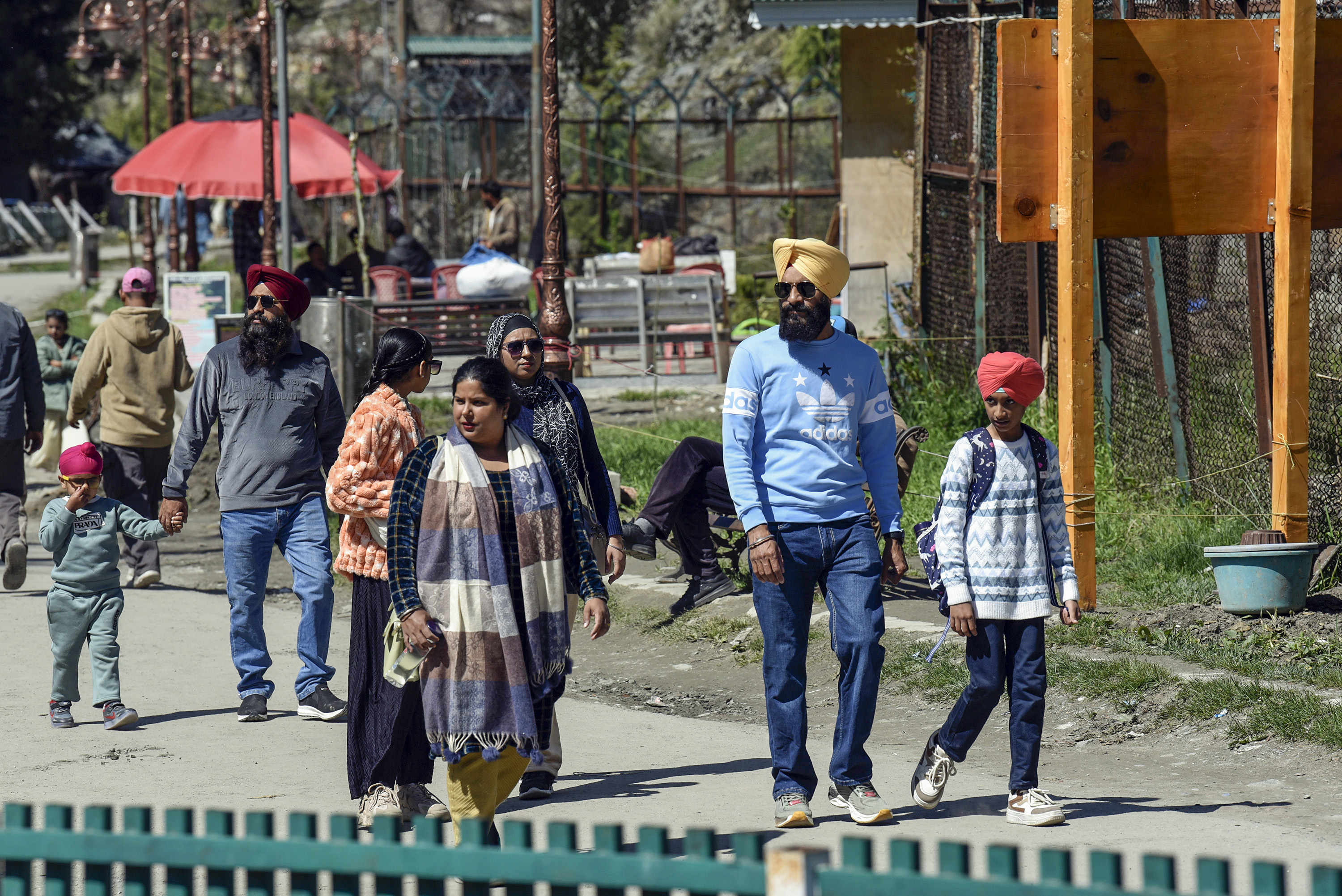
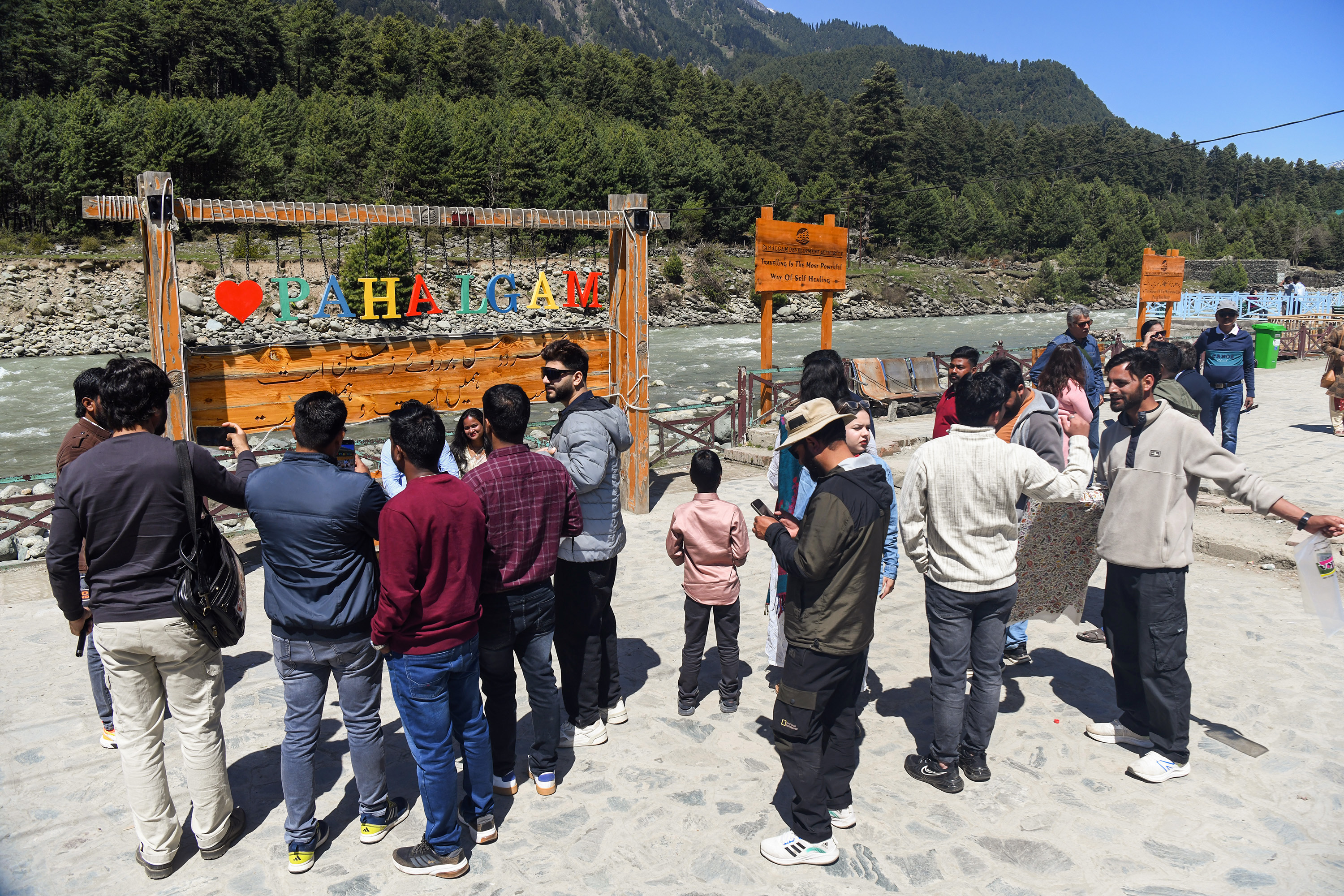
In the immediate aftermath, tourists flooded out of Jammu and Kashmir. Air India operated additional flights to accommodate the surge in departures. Hotel occupancy fell to near zero, with hoteliers slashing room rates by up to 50 per cent in desperate attempts to retain any visitors at all. Compared to the same period in 2024, tourist numbers dropped by more than half. Several tourist sites remained closed for months.
The numbers capture the economic damage. What they cannot capture is the slower, harder-to-measure damage to perception — the hesitation that will linger for years among people considering whether Kashmir is safe enough to visit with their children.
The doctrine of “soft targets”
In counter-terrorism terms, Baisaran was a textbook soft target: high civilian concentration, minimal security presence, terrain that made rapid response nearly impossible. These are the characteristics that make open tourist spaces — meadows, pilgrimage sites, markets, beaches — so attractive to groups seeking maximum impact with minimum operational risk.
The shift toward civilian spaces as primary targets reflects an evolution in terrorist strategy. Attacking security forces generates military confrontations. Attacking tourists generates fear, economic disruption, global media coverage, and political pressure — often all at once, with fewer tactical risks. The Pahalgam attack achieved all four.
What made it additionally potent was its setting. A massacre in a conflict zone is terrible but, to a distant audience, comprehensible within a familiar frame. A massacre in a place that looks like Switzerland — a family meadow, on a sunny afternoon, amid people who had come precisely because they thought it was safe — breaks a different and more fundamental sense of security.
What followed — and what it revealed
India’s response to the attack ultimately escalated into Operation Sindoor in May 2025 — cross-border strikes on terrorist infrastructure, followed by Pakistani retaliatory strikes, before a ceasefire was agreed on May 10. The military chapter closed relatively quickly. The question of how to secure open civilian spaces without destroying what makes them worth visiting did not.
Across Muslim-majority towns in Kashmir — Srinagar, Pulwama, Shopian, Anantnag, Baramulla, and others — protests were held against the attack. Local Kashmiris, whose livelihoods depend on the same tourism the attackers were trying to destroy, made clear they were not the constituency these terrorists claimed to represent. That response matters. Any long-term security strategy for tourist zones in Kashmir will depend less on checkpoints than on the communities who live there year-round, who know the terrain, and who have every reason to want visitors to feel safe.
The harder question
The tactical response is relatively straightforward — more intelligence-led operations, better-positioned rapid-response units, enhanced surveillance in high-footfall areas, coordination with local guides and operators who know when something feels wrong.
The harder question is the one no security apparatus can fully answer: how do you restore a sense of safety to a place that has become synonymous with loss?
Tourism is unusually sensitive to perception. The families who visited Baisaran before April 22 did so because they believed it was safe. That belief — not the meadow itself, not the ponies, not the views — is what was destroyed. Hotel occupancy levels that plunged to near zero can recover when normalcy returns. The psychological calculus of a family deciding whether to take their children to Kashmir will take much longer to recalibrate.
The terrorists understood this when they chose Baisaran. Rebuilding what they broke will require understanding it too — and responding to it with something more durable than a security cordon.