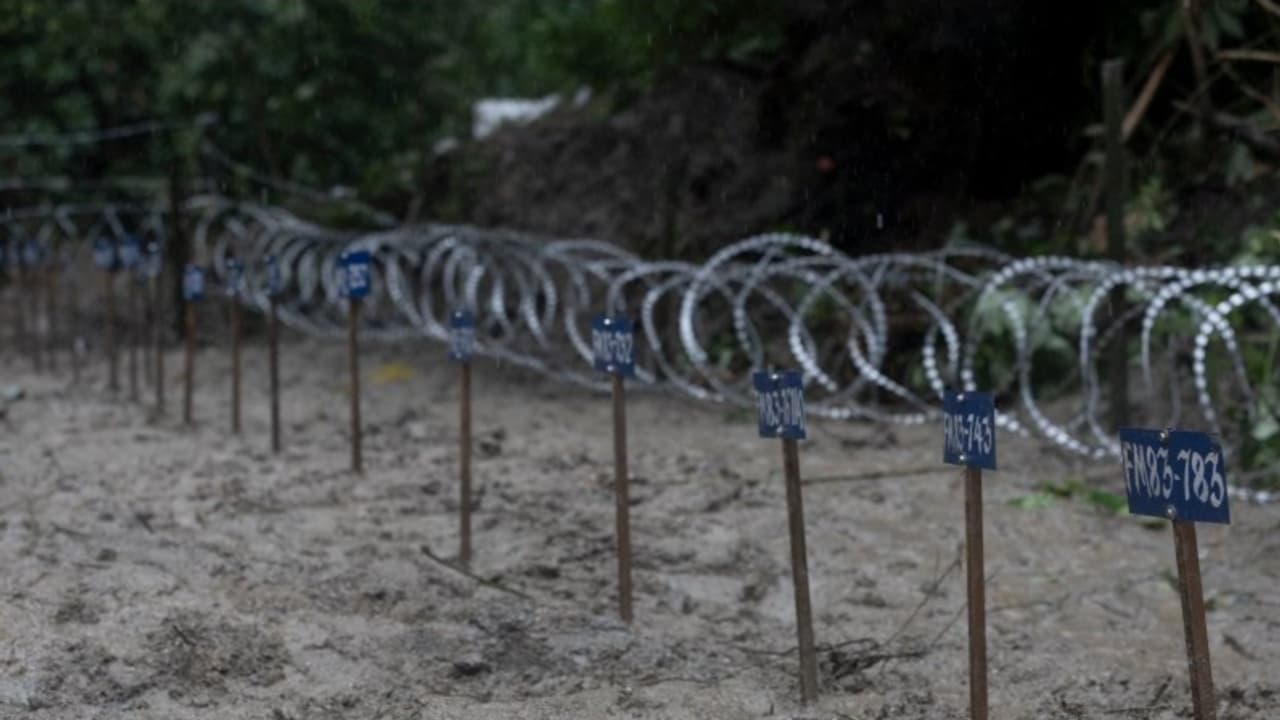
Technically, the emergency burial should not be viewed in the same way as a traditional final funeral.
For families whose relatives have been identified, authorities are handing over the bodies so that the families can conduct cremation, burial or other rituals according to their faith.
For unidentified victims, the government is taking responsibility for the immediate management of the remains.
The priority is to handle the bodies with dignity while keeping open the possibility of future identification.
This approach attempts to balance two urgent needs: preventing a public health and storage crisis caused by hundreds of decomposing bodies, while ensuring that families are not permanently deprived of the opportunity to identify and claim their relatives.
A difficult balance between science, dignity and tradition
The disaster has placed Nepal in an extremely difficult situation.
Authorities cannot keep an unlimited number of bodies indefinitely when morgues are full and remains are decomposing. But cremating unidentified victims would make future identification and the return of remains far more difficult.
Burial provides a practical middle path.
By preserving DNA samples, assigning identification numbers and recording the precise burial location, authorities are trying to ensure that the emergency does not erase the identity of those who died.
The images of mass burials are deeply disturbing, particularly in a country where funeral traditions carry enormous cultural and religious importance.
But the decision is not about denying victims their final rites.
It is about buying time.
The bodies are being buried because Nepal’s overwhelmed authorities need to manage the immediate humanitarian crisis. At the same time, forensic evidence is being preserved so that months or even years later, a family may still receive an answer, identify a loved one and perform the final rites they were unable to give during the disaster.