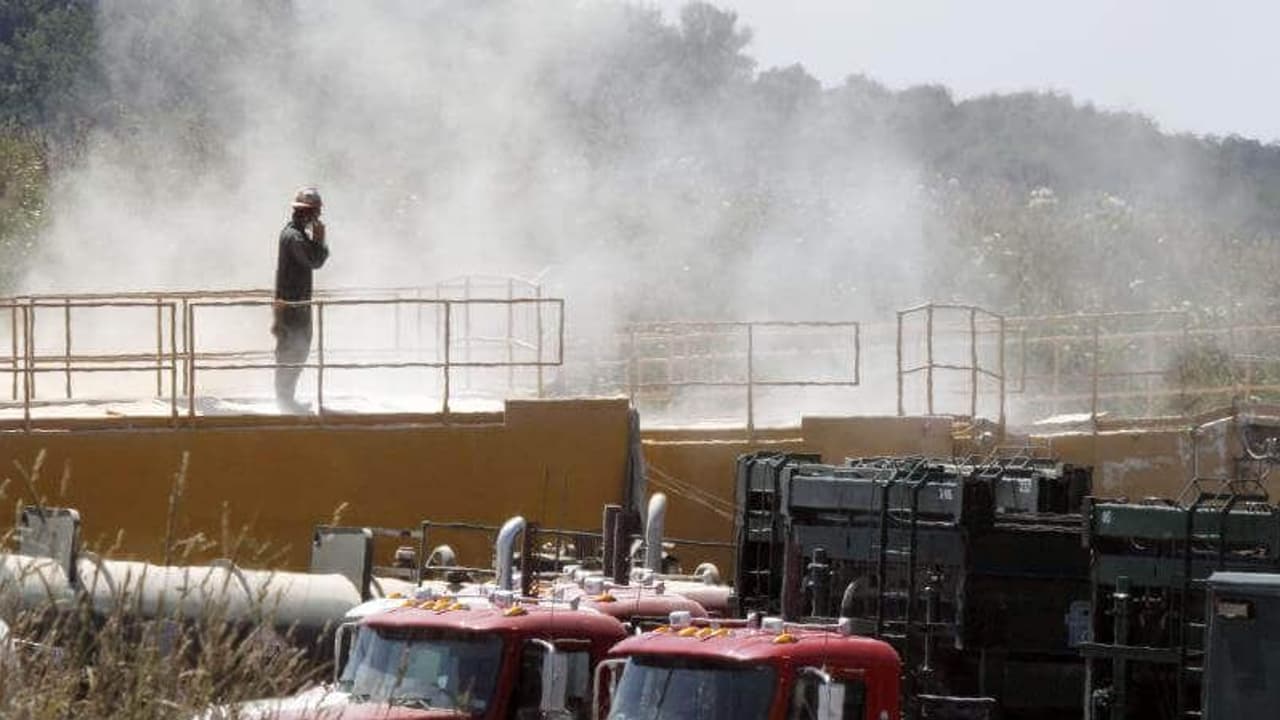
Research shows U.S. firms reduce emissions when nearby peers face regulatory scrutiny, highlighting geography’s overlooked role in environmental enforcement and climate policy.
For years, sustainability advocates argued that financial incentives alone would push companies toward greener practices. BlackRock CEO Larry Fink summed it up in 2020: “Climate risk is investment risk.” The assumption was that markets would naturally reward sustainable behaviour.
Recent evidence suggests otherwise. Incentives alone have not delivered the scale of change required. Instead, a new consensus is forming: the transition to a sustainable economy is a system-level challenge, requiring regulation and broader societal mobilisation.
Local Deterrence Effect
Law and economics research has long shown that regulation influences not only targeted firms but also their peers. When one company faces scrutiny, others often adjust behaviour in anticipation.
New findings add geography to the picture. Using U.S. industrial emissions data, researchers found that firms located in the same county as a scrutinised peer cut emissions by about 7% on average, even without direct enforcement. The effect is strongest among firms already at higher risk of penalties and weakens with distance.
Local scrutiny acts as a vivid signal. A nearby case is more relevant than one unfolding several counties away, even under identical federal rules.
For managers, environmental risk extends beyond their own compliance record. Stakeholders and regulators may expect firms to respond when a neighbour faces action. Ignoring local scrutiny risks reputational damage and regulatory attention.
For policymakers, geography matters as much as frequency. Concentrating enforcement in a few regions leaves “regulatory deserts” where deterrence never reaches. Distributing enforcement more evenly could achieve greater emissions reductions without new rules, by activating local peer effects.
The same logic applies in reverse. If local scrutiny drives peer firms to act, removing authority to scrutinise firms can cause wider harm. The repeal of the Endangerment Finding in February 2026, which stripped the EPA of its legal basis to regulate greenhouse gases, illustrates this risk.