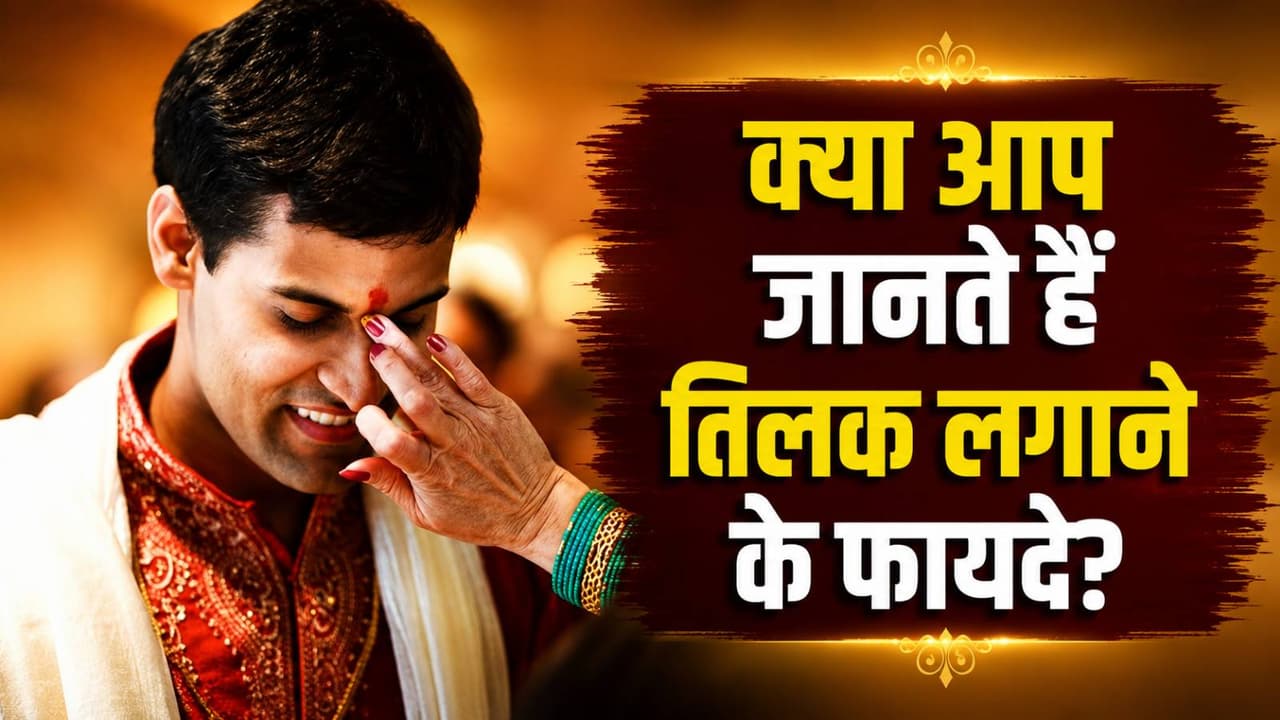
Tilak Significance: Tilak is the identity of Hindu religion. There are not only religious but also scientific reasons behind applying Tilak, but very few people know about them.
Why Tilak is Applied: In Hindu religion, Tilak is applied on the forehead at the beginning of worship, festival, wedding, religious ceremony or any other auspicious work. This tradition has been going on for centuries. Tilak is not just a religious mark, but it is also a symbol of respect, faith and good wishes. Tilak of kumkum (roli), sandalwood, turmeric, bhasma (ash) or vermillion can be applied. Let us tell you, the importance of Tilak is different in different traditions and sects.
Why is Tilak applied?
In Hindu tradition, Tilak is considered a symbol of auspiciousness and positive energy. Applying Tilak after puja means that the person has taken the blessings of God. Welcoming a guest, soldier, student or any VIP person by applying tilak is also a way of giving respect and good wishes. On occasions like Dussehra, Diwali, Rakshabandhan, Bhai Dooj and marriages, family members apply tilak to each other and pray for happiness, prosperity and a bright future.
Why is Tilak applied only on the forehead?
Tilak is usually applied on the forehead between the two eyebrows. In the tradition of yoga and meditation, this place is called Ajna Chakra. Let us see this by connecting it with concentration, self-examination and mental balance.
Is there any science behind applying tilak?
Some research has been done regarding the science behind applying tilak. Applying sandalwood tilak gives a cool feeling on the skin, because sandalwood is considered cool by nature. Some people find mental peace (mantle piece) or help in concentrating the mind by lightly touching the forehead. The process of applying Tilak during puja also helps in connecting the person mentally with that occasion.
What do different tilaks mean?
Many types of tilaks are applied in Hindu religion and their importance also varies.
1. Kumkum or Roli Tilak
It is mostly used in auspicious works, worship and festivals. It is considered a symbol of auspiciousness and good fortune.
2. Sandalwood Tilak
Sandalwood tilak is applied in many temples and religious events. It is considered a symbol of peace, purity and devotion.
3. Tilak of ashes (Vibhuti)
In Shaiva tradition, devotees of Lord Shiva apply tilak of ashes. It is considered a symbol of impermanence and renunciation of life.
4. Turmeric Tilak
Turmeric is used on many auspicious functions and auspicious occasions like marriage. It is considered auspicious and sacred.
Is Tilak applied only in Hindu religion?
Tilak is mainly associated with Hindu tradition, but it is also used on many social and cultural occasions in Indian culture. At many places a guest is welcomed by applying tilak. It is considered a symbol of honor and respect.
Is it necessary to apply tilak daily?
It completely depends on one’s own faith and tradition. Some people apply Tilak every day after worship, while some people apply Tilak only when visiting the temple, on festivals or on special occasions.
Social importance of the tradition of applying tilak
Tilak is not just a religious identity, but also an old tradition. It is one of connecting people in family, society and religious events. For example, when a student goes to take an examination, his family members apply a tilak on his forehead and pray for success. Similarly, welcoming army personnel or sportspersons by applying tilak is considered a symbol of respect and good wishes.