Brain death can be difficult for families to understand, but recognising what it means is important in organ donation. Learn how one donor may help multiple patients through life-saving transplants.
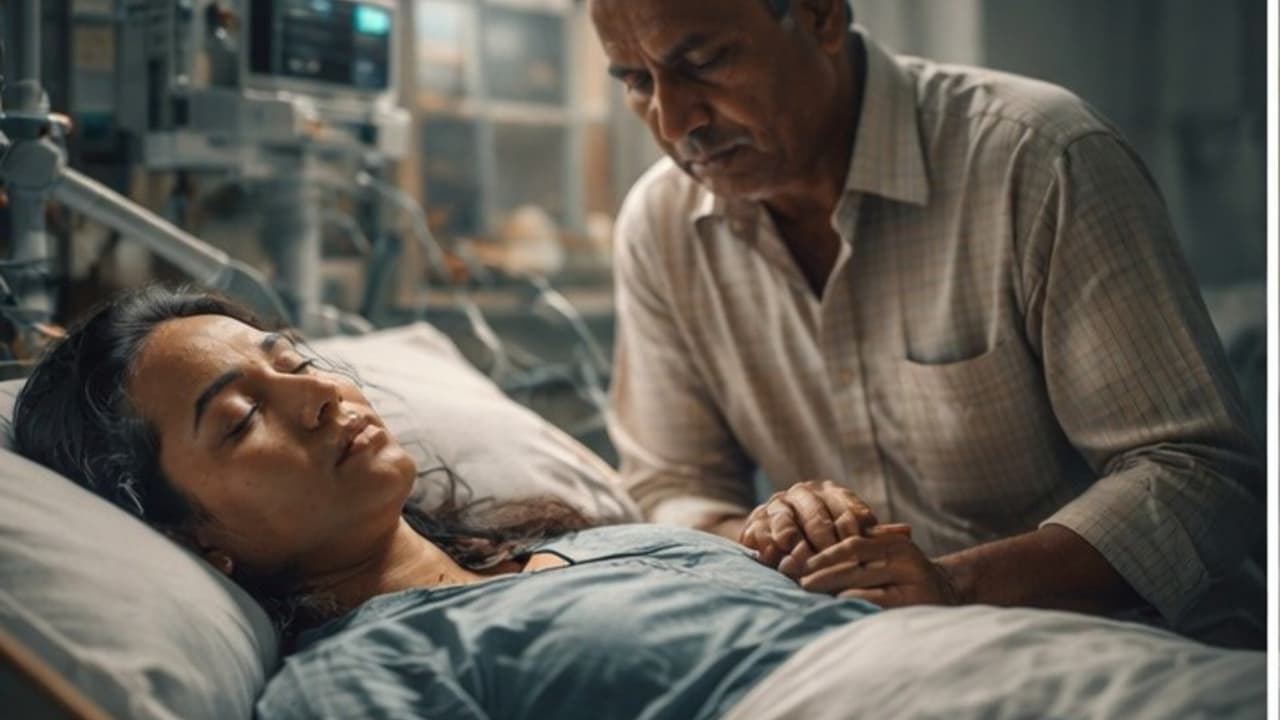
The announcement of brain death can be upsetting for a person’s family. But one tough medical decision, then, can save many lives. And coma is not the same as brain death. This means the brain and brainstem are no longer working. They can’t breathe or wake up without help. But in intensive care, hooked up to a mechanical ventilator, the heart may keep pumping for a long time, circulating blood and keeping the vital organs functioning.
This is a significant opportunity for organ donation
If brainstem death is formally established according to law and medical code, the family may be asked to give their consent. If the donation is approved, the transplant teams assess the organs, select the best matches, and organise their retrieval and transportation. After organs are taken from the donor, they can only be preserved for a short time. Every hour counts.
As per the National Organ and Tissue Transplant Organisation (NOTTO) of India, a heart has to be transplanted within 4-6 hours of retrieval, lungs within 4-8 hours, a liver within 12-15 hours, a pancreas within 12-24 hours and kidneys within 24-48 hours. These are only estimates. The real appropriateness depends on the organ, donor and recipient, preservation technique and clinical context.
So to donate a kidney is far more than just saying yes. This also means the rapid initiation of a well-organised medical process.
India’s transplant system has grown rapidly. The NOTTO data show that there were 1,128 deceased donors involved in donation and 3,403 deceased-donor organ transplants performed in 2024. More recently, India hit a big milestone. In 2025, India saw 20,138 organ transplants, marking the first year in which the number of transplants conducted in a year exceeded 20,000.
But the number of patients needing organs still far exceeds the number of organs available for transplantation.
Therefore, the knowledge of brain death can have a significant impact on families. Regardless of the decision to donate, the professionals treating the severely ill patient will still focus on saving their life. Only after a person is declared dead by law can they donate.
An organ donation does not replace a loss, but it can change what happens next.
A single choice in an unimaginably difficult time can free someone from years of dialysis, give health to a liver, or make a heart beat in another. So understanding brain death is more than a medical lesson. It may be the start of many new lives.
– Input from Dr. Kamalesh TN, Consultant Neurologist, HOSMAT Hospital