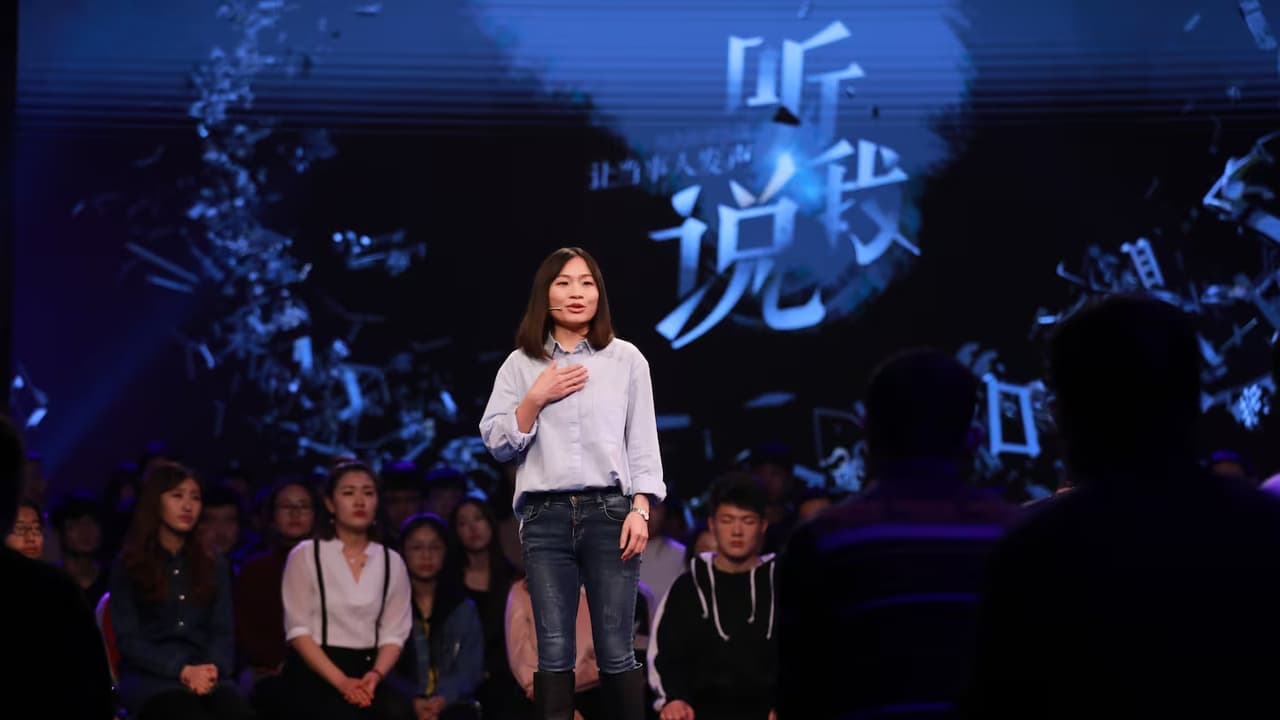
Chinese journalist Sophia Huang Xueqin, jailed for reporting on gender violence and civil society issues, nears release in 2026 but will remain under surveillance and deprived of political rights for four more years.
China currently holds 121 journalists in detention, making it the world’s largest jailer of media professionals. Among them is Sophia Huang Xueqin, a 37-year-old reporter whose case has drawn attention for its length and severity.
Huang, 37, began her career at the state press agency China News Service before moving to Southern Metropolis Weekly in Guangzhou in 2015. The paper was known for exposing political and social scandals, and Huang worked there as an investigative reporter.
According to colleagues, she viewed journalism as a duty to the people whose stories she told. In 2018, she published a survey on workplace sexual harassment of female journalists, providing data and testimonies that highlighted gender‑based violence in the media industry. The report, released by the Guangzhou Gender and Sexuality Education Center, gave victims a platform and contributed to China’s #MeToo movement.
Her subsequent reporting on harassment of a university student led the Ministry of Education to implement reforms nationwide. Her Friends say she often spent long hours speaking with survivors and creating community spaces where they could find support.
First Arrest In 2019
Huang’s work soon attracted reprisals. In October 2019, she was arrested in Guangzhou and detained for three months on charges of “picking quarrels and provoking trouble.” The charge was linked to her coverage of Hong Kong protests, where she condemned violent repression.
She was released on bail without charges being filed. Reports from that period suggest she debated officials during interrogations, questioning the legality of their actions.
In September 2021, Sophia Huang Xueqin was re‑arrested along with labour activist Wang Jiabing. Authorities charged her with “inciting subversion of state power,” citing her reporting and participation in civil society discussions.
She was held in detention until June 2024, when she was sentenced to five years in prison. According to accounts from friends, she was subjected to harsh interrogation methods, including the “tiger chair,” a device associated with torture. Reports also indicate she spent five months in solitary confinement without access to lawyers and faced repeated interrogations at night.
Her Friends say she has suffered serious health problems, including extreme weight loss, calcium deficiency, hypoglycemia and low blood pressure.
Secrecy Around Her Case
Since the sentencing, authorities have maintained near‑total secrecy about her situation. Friends describe this as an “agonising silence,” noting that she has been cut off from communication.
Despite the conditions, accounts suggest she remained defiant. During interrogations in 2019, she reportedly asked officials to cite laws that justified their claims, engaging them in discussions on justice and freedom.
Huang’s sentence is scheduled to end on 18 September 2026, with time served deducted. However, she will remain deprived of political rights for four more years.
This means she will face restrictions on freedom of movement, press activity and international travel until 2030. Observers note that for journalists in China, release from prison often does not mean full freedom, as surveillance and restrictions continue.
Broader Context
Sophia Huang Xueqin’s case highlights the risks faced by journalists reporting on sensitive issues in China. According to monitoring groups, the Chinese Communist Party has detained dozens of reporters for covering topics such as civil society, protests and gender‑based violence.
Her Friends say they remain worried about her health and wellbeing. They believe she will continue reporting in some form despite restrictions, citing her resilience and commitment to journalism.
“She has already shown that she cannot be silenced,” one friend said, adding that she is likely to find ways to continue informing the public.
Diplomatic observers have noted Sophia Huang Xueqin’s case as part of a wider pattern of restrictions on journalists in China. Reports suggest her situation is being monitored closely, with calls for her safety to remain on the agenda in discussions with Beijing.