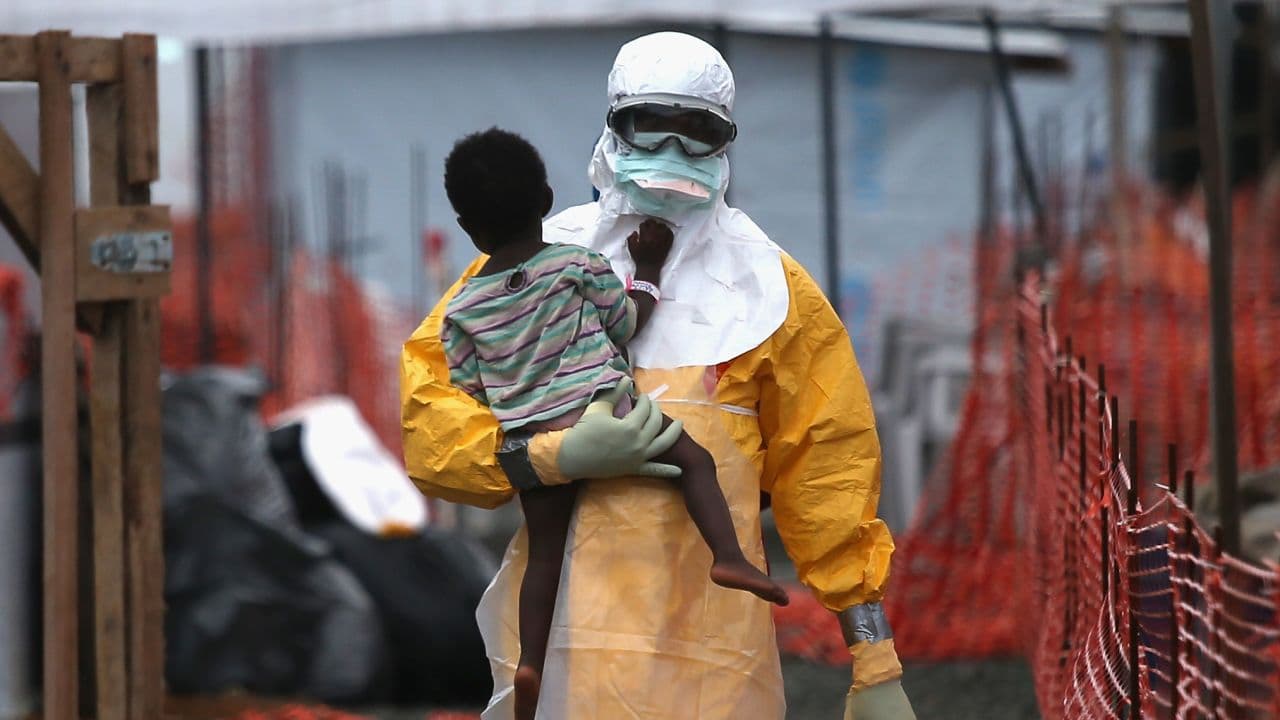
WHO says community cooperation is the key to stopping outbreaks. Health authorities use several measures together, including:
- Early patient isolation
- Contact tracing
- Laboratory testing
- Infection control
- Safe burials
- Public awareness campaigns
- Vaccination where available
People are advised to avoid direct contact with infected individuals and wild animals that may carry the virus.
Communities are also encouraged to follow hygiene measures and quickly report suspected symptoms.
Why healthcare workers are at high risk
Doctors, nurses and health workers often face major risks during Ebola outbreaks because they come into close contact with infected patients.
Without proper protective equipment, healthcare workers can easily become infected through blood or bodily fluids.
WHO says strict infection control rules are essential, including:
- Hand hygiene
- Use of masks and gloves
- Protective clothing
- Safe handling of needles
- Safe disposal of contaminated materials
Laboratory workers also require special training and high-security facilities while handling Ebola samples.
What happens to Ebola survivors?
Many Ebola survivors continue facing health problems even after recovery. Some patients develop long-term complications affecting:
- Eyes
- Brain
- Mental health
- Nervous system
WHO says survivors should receive counselling, medical care and support to help them return to normal life.
The virus can also remain in certain parts of the body for months after recovery.
Ebola transmission through semen has been documented up to 15 months after recovery in some cases.
Because of this, WHO advises safer sexual practices and regular testing for male survivors.
Pregnant and breastfeeding women who recover from Ebola also need special medical monitoring.
Why this outbreak matters globally
Although the current outbreak is mainly centred in Congo and Uganda, health experts are watching closely because infectious diseases can spread rapidly in today’s interconnected world.
The 2014–2016 Ebola outbreak in West Africa killed more than 11,000 people and showed how dangerous uncontrolled outbreaks can become.
Modern travel, crowded cities, weak healthcare systems and cross-border movement increase the risk of wider spread.
WHO’s emergency declaration is meant to help countries prepare early rather than react late.
The declaration allows governments and international agencies to mobilise funding, medical teams and public health support faster.
What people should remember
WHO has stressed that Ebola is serious but controllable if countries act quickly.
The organisation has also reminded people that Ebola does not spread through the air like COVID-19. It mainly spreads through direct contact with infected bodily fluids.
Early medical care, rapid isolation, contact tracing and public awareness remain the most important tools in stopping outbreaks.
At present, health agencies are closely monitoring the situation in Congo and neighbouring countries while researchers continue working on vaccines and treatments for the Bundibugyo strain.
The coming weeks will be important in determining whether health officials can contain the outbreak before it spreads further.