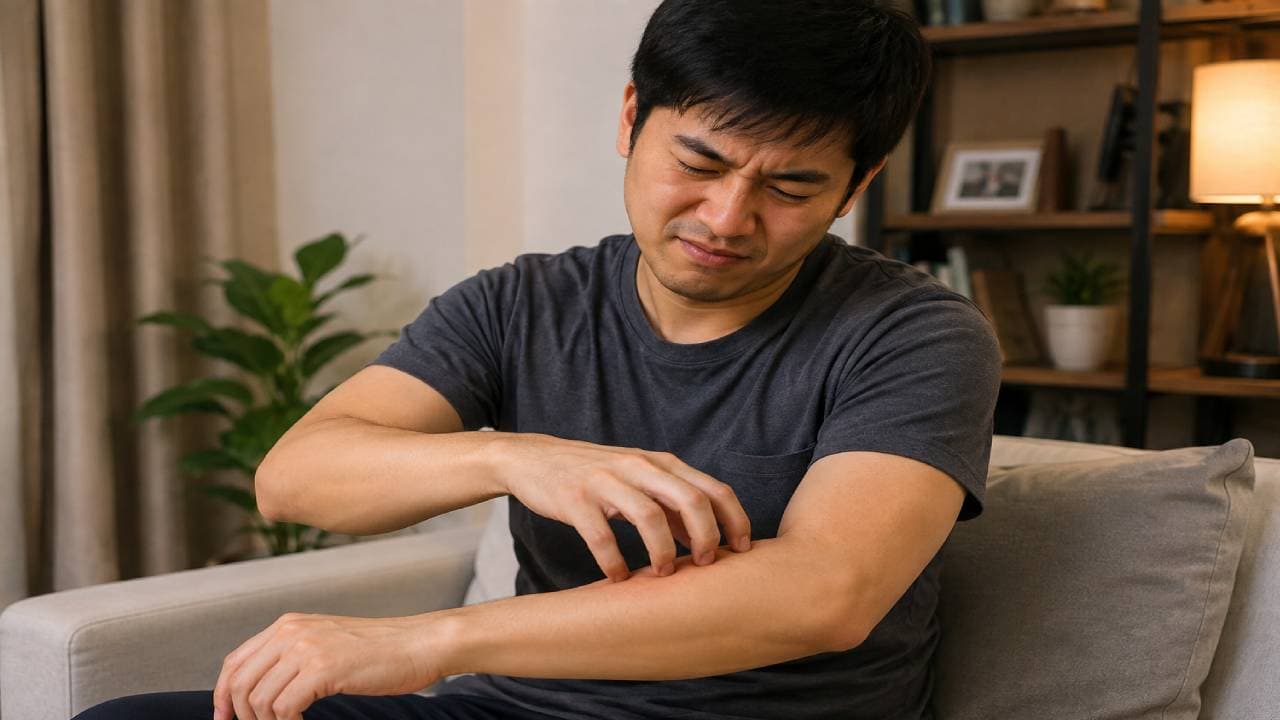
Chinese entrepreneur Zhang Xiaoqiao has found a lucrative niche with his unusual ‘itch-scratching’ service, Suma, in Shenzhen, earning an estimated Rs 14 lakh monthly from two outlets. The 32-year-old plans to expand his business to 100 stores across China, aiming to establish professional itch-scratching as a recognized profession.
Rs 14 lakh! That’s the staggering monthly revenue. This figure isn’t from tech or real estate, but from something far more unusual – professional itch-scratching. Zhang Xiaoqiao, a 32-year-old Chinese entrepreneur from Hubei province, found financial success with this unconventional venture. He brands his service as Suma. Today, Zhang oversees two bustling outlets in Shenzhen, China, generating that astonishing Rs 14 lakh. It shows the unexpected profitability of a business concept Zhang developed from scratch.
What exactly does Suma offer? Forget traditional spa treatments. Customers lie face down on comfortable beds. Trained staff, using specially designed pointed nails, gently scratch various body parts. Zhang spearheads this peculiar service. It taps into an unmet demand for physical relief and a novel form of stress reduction.
The Service Details and Demand
300 yuan — about Rs 4,200 — is the price for a single one-hour session at Suma. This cost reflects the service’s specialized nature and unique experience. Zhang markets the service as a holistic method. It claims to alleviate stress, improve blood circulation, and enhance sleep quality. These benefits resonate deeply with modern urban dwellers.
According to Zhang, demand for Suma’s services remains consistently high. This holds true particularly within China’s bustling first-tier cities like Shenzhen. Residents here grapple with high stress levels. They seek innovative ways to unwind and de-stress. Men make up 70 percent of customers. Yes, 70 percent.
This demographic suggests a strong appeal to male professionals seeking unconventional stress relief. It contributes heavily to that Rs 14 lakh monthly revenue Zhang’s enterprise generates.
From Viral Video to Lucrative Business
Zhang Xiaoqiao’s impressive venture, now generating Rs 14 lakh monthly, started humbly. Inspiration struck after he chanced upon a social media video. It showed a woman scratching her husband’s back. The comments truly caught his entrepreneurial eye — many viewers longed for such a service. They were even willing to pay. This viral moment resonated deeply with Zhang’s own childhood. His father would scratch his back as a soothing ritual for sleep. These two experiences ignited the spark for Suma.
But Zhang’s path to this unique success was not straightforward. His entrepreneurial journey before Suma marked tough struggles and experimentation. After college, he cycled through seven different jobs in a single year. He sought a fulfilling, viable career. He also launched two cross-border e-commerce companies. Neither achieved traction or financial success. Professional itch-scratching remained uncharted territory in China. Zhang innovated without blueprints or established practices. He developed his own unique techniques, training methods, and operational standards from the ground up — a pioneering effort that paid off handsomely.
Ambitious Expansion Plans
100 stores. That’s Zhang Xiaoqiao’s target. Buoyed by his two successful Shenzhen outlets — bringing in a substantial Rs 14 lakh monthly — Zhang harbors truly ambitious plans for Suma’s future. His vision extends beyond current success. He aims to expand the unique service, locating 100 stores across various Chinese cities. This aggressive strategy shows his confidence in professional itch-scratching’s scalability and widespread appeal.
Zhang’s ultimate goal isn’t just to build a successful chain. He wants to fundamentally transform perceptions. He aims to establish professional itch-scratching as a recognized, respected occupation. Zhang envisions “scratchologists” — trained professionals who earn recognition for their relief and relaxation skills. This grand ambition shows Zhang’s belief in his unconventional industry’s legitimacy and potential. He aims to carve a permanent niche in the wellness sector. His innovative approach paves the way for a new personal care form. It demonstrates how a well-executed, out-of-the-box idea can become a significant economic force and a recognized profession.