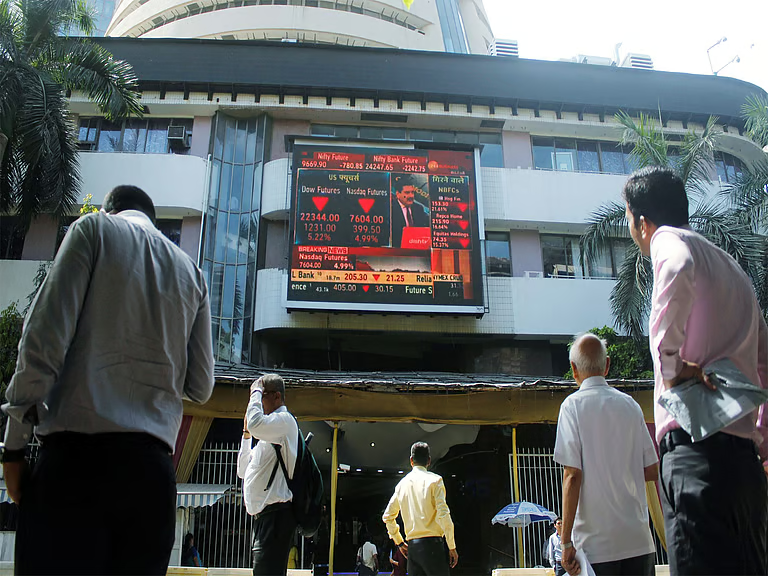
Indian equity markets witnessed a turbulent and sentiment-driven trading week between May 11 and May 16, 2026, as investors navigated a mix of geopolitical uncertainty, surging crude oil prices, currency weakness, foreign fund outflows, and concerns over inflationary pressures. After showing resilience in previous weeks, benchmark indices finally succumbed to mounting global and domestic headwinds, ending the week with notable losses amid heightened volatility across sectors.
The week began on a sharply negative note as markets reacted to escalating tensions in West Asia and fears surrounding disruptions to global energy supplies through the Strait of Hormuz. Investors turned risk-averse almost immediately, triggering broad-based selling across equities. The Sensex recorded a steep intraday decline of more than 1,300 points on Monday, while the Nifty slipped below key psychological levels as traders rushed to cut exposure to risk-sensitive sectors. Market sentiment remained fragile through most of the week, with volatility intensifying amid uncertainty over crude oil prices and the trajectory of the Indian rupee.
“The markets witnessed another volatile and range-bound week, with investor sentiment remaining cautious despite intermittent recovery attempts,” said R Ponmudi, CEO at Enrich Money, a SEBI registered online trading and wealth tech firm.
According to him, early optimism, driven by cooling oil prices and hopes of de-escalation in the Middle East, provided some relief to markets.
“However, the momentum proved difficult to sustain as mixed signals emerging from US–Iran negotiations kept uncertainty elevated. While indices managed periodic rebounds supported by dip-buying, the inability to sustain gains at higher levels highlighted the fragile nature of the ongoing recovery, with the market eventually ending the week’s final session marginally lower,” he added.
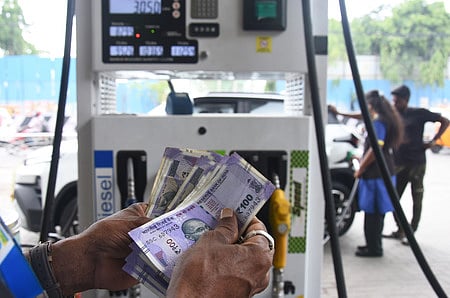
The sharp rise in global crude oil prices emerged as the single biggest factor influencing market direction during the week. Brent crude climbed above the US$109 per barrel mark as fears grew over supply disruptions and shipping instability in the Gulf region. For India, which remains heavily dependent on imported crude, the spike in oil prices raised immediate concerns over inflation, widening trade deficits, and pressure on public finances. Investors worried that elevated energy prices could adversely impact corporate profitability, consumer demand, and overall economic momentum in the months ahead.
Oil-sensitive sectors bore the brunt of the market correction. Aviation companies, paint manufacturers, logistics firms, and oil marketing companies remained under pressure throughout the week as higher fuel costs threatened margins and earnings outlooks. The broader concern was that persistently elevated crude prices could eventually translate into higher retail inflation, thereby complicating the Reserve Bank of India’s monetary policy stance.
Adding to investor anxiety was the continued weakness in the Indian rupee, which briefly breached the 96-per-dollar mark for the first time before recovering marginally following suspected intervention by the Reserve Bank of India. The depreciation in the domestic currency reflected a combination of rising oil import bills, sustained foreign institutional investor outflows, and broad strength in the US dollar globally. Currency weakness became a major talking point during the week, as market participants feared that a prolonged slide in the rupee could accelerate capital outflows and further weaken investor confidence.
“Investor sentiment continued to be heavily shaped by developments surrounding the US–Iran conflict. Positive remarks such as “We are making progress” from JD Vance, along with the reported US–China understanding against imposing shipping tolls in the Strait of Hormuz, offered temporary relief to global markets. Nevertheless, the broader geopolitical situation remains unresolved, keeping investors cautious and limiting aggressive risk-taking,” Ponmudi told TNIE while commenting for this review.
Foreign institutional investors remained aggressive sellers in Indian equities during the period. Heavy selling pressure was visible from the opening sessions of the week, with overseas investors pulling out thousands of crores amid concerns over emerging market risks and rising geopolitical instability. Persistent FII outflows exerted pressure on frontline indices and contributed significantly to the rupee’s decline. Domestic institutional investors, however, continued to provide support through consistent buying, helping prevent a deeper correction in the market. Mutual funds and insurance companies absorbed a substantial portion of the foreign selling, highlighting the growing role of domestic liquidity in stabilising Indian equities during volatile periods.
“FIIs remained net sellers through most of the week, with cumulative outflows standing at approximately Rs 13,585 crore, reflecting continued caution amid elevated global uncertainty and geopolitical risks. However, sentiment improved marginally toward the latter half of the week as FIIs turned net buyers during the final two trading sessions, offering some near-term support to the broader market. Despite this partial recovery in flows, investors remain watchful, with sustained and consistent foreign inflows seen as critical for rebuilding broader market confidence,” Ponmudi said.
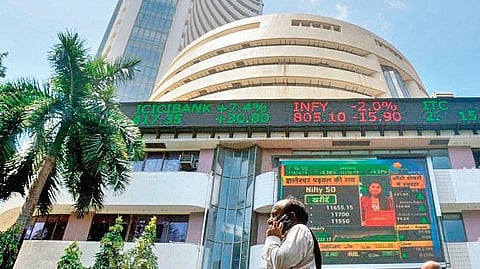
The information technology sector emerged as one of the worst performers of the week. IT stocks witnessed heavy selling as investors worried about slowing global technology spending, demand uncertainty in key export markets, and concerns over artificial intelligence-led disruptions to traditional outsourcing models. The Nifty IT index registered one of its sharpest weekly declines in recent months, dragging benchmark indices lower due to the sector’s significant weightage.
Banking stocks also remained under pressure, particularly after disappointing earnings from the country’s largest lender triggered concerns about asset quality, loan growth, and margin pressures within the financial sector. Although banking shares recovered partially during mid-week trading, volatility persisted as investors reassessed earnings expectations in a rising interest rate and inflation-sensitive environment.
Broader markets fared even worse than benchmark indices during the week. Mid-cap and small-cap stocks witnessed sharper corrections as risk appetite weakened considerably. Investors shifted focus toward defensive sectors amid concerns that richly valued broader market counters could face steeper corrections if global uncertainties intensified further. Defensive pockets such as pharmaceuticals and healthcare stocks attracted selective buying interest, offering some stability amid the broader market decline.
Despite the overall weakness, markets did witness intermittent recovery attempts during the week. Thursday’s session stood out as benchmark indices staged a strong rebound led by gains in banking, telecom, and select energy stocks. Bargain buying at lower levels, coupled with hopes of policy support and RBI intervention in currency markets, helped improve sentiment temporarily. However, the recovery lacked strong follow-through as investors remained cautious ahead of further developments in crude oil markets and geopolitical negotiations.
Energy-related stocks delivered mixed performances during the week. Upstream oil exploration companies benefited from the rise in crude prices, as higher realisations improved earnings expectations. In contrast, downstream oil marketing companies remained under pressure due to concerns over fuel subsidy burdens and margin compression. Select conglomerate stocks also witnessed strong rebounds after company-specific developments and improved operational outlooks attracted investor interest.
“Crude oil prices remained highly volatile throughout the week. Although prices briefly slipped below the psychologically important $100 mark, crude eventually rebounded and closed the week back above $100 per barrel, reflecting a persistent geopolitical risk premium and ongoing concerns around potential supply disruptions. Elevated energy prices continue to remain a major macroeconomic concern for India due to their impact on inflation, rupee stability and import costs, keeping broader market sentiment guarded despite periodic recovery attempts,” Ponmudi said.
Market experts noted that investor behaviour during the week reflected a classic flight to safety. Traders reduced exposure to high-beta and cyclical sectors while favouring defensives and companies with stable earnings visibility. The spike in volatility indicators underscored the nervousness prevailing across financial markets, with participants closely monitoring every development related to global oil supply routes, central bank actions, and foreign fund flows.
From a technical perspective, many analysts observed that the Nifty approached important support zones during the week, with traders watching whether the index could hold above crucial medium-term levels. While domestic liquidity continues to offer structural support to Indian equities, analysts warned that sustained recovery would depend largely on stability in crude oil prices, moderation in foreign selling, and improved global risk sentiment.
While long-term domestic growth prospects remain intact, the immediate outlook for Indian equities is likely to remain cautious and highly sensitive to developments in energy markets, currency movements, and international geopolitical conditions, the say.